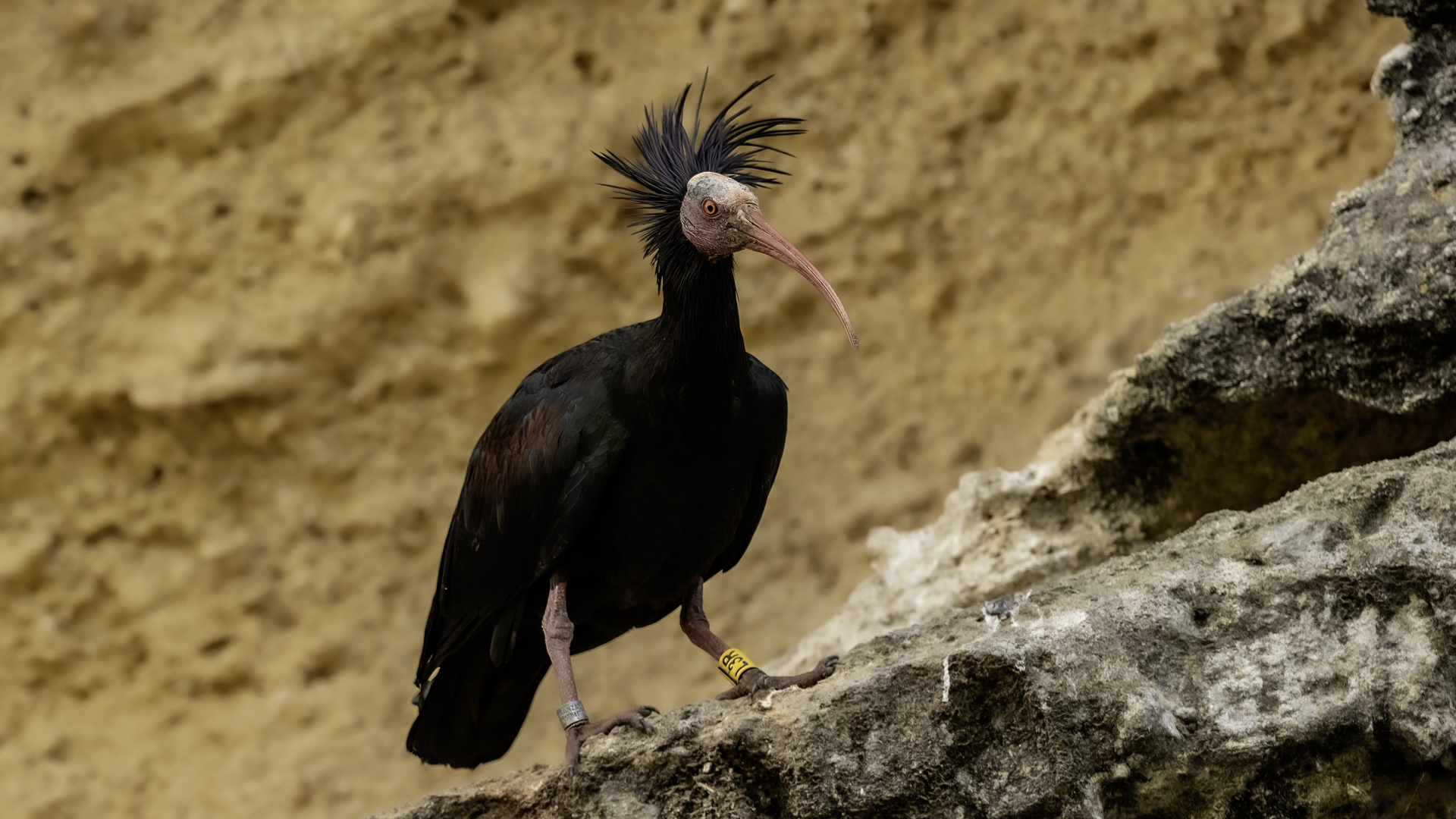
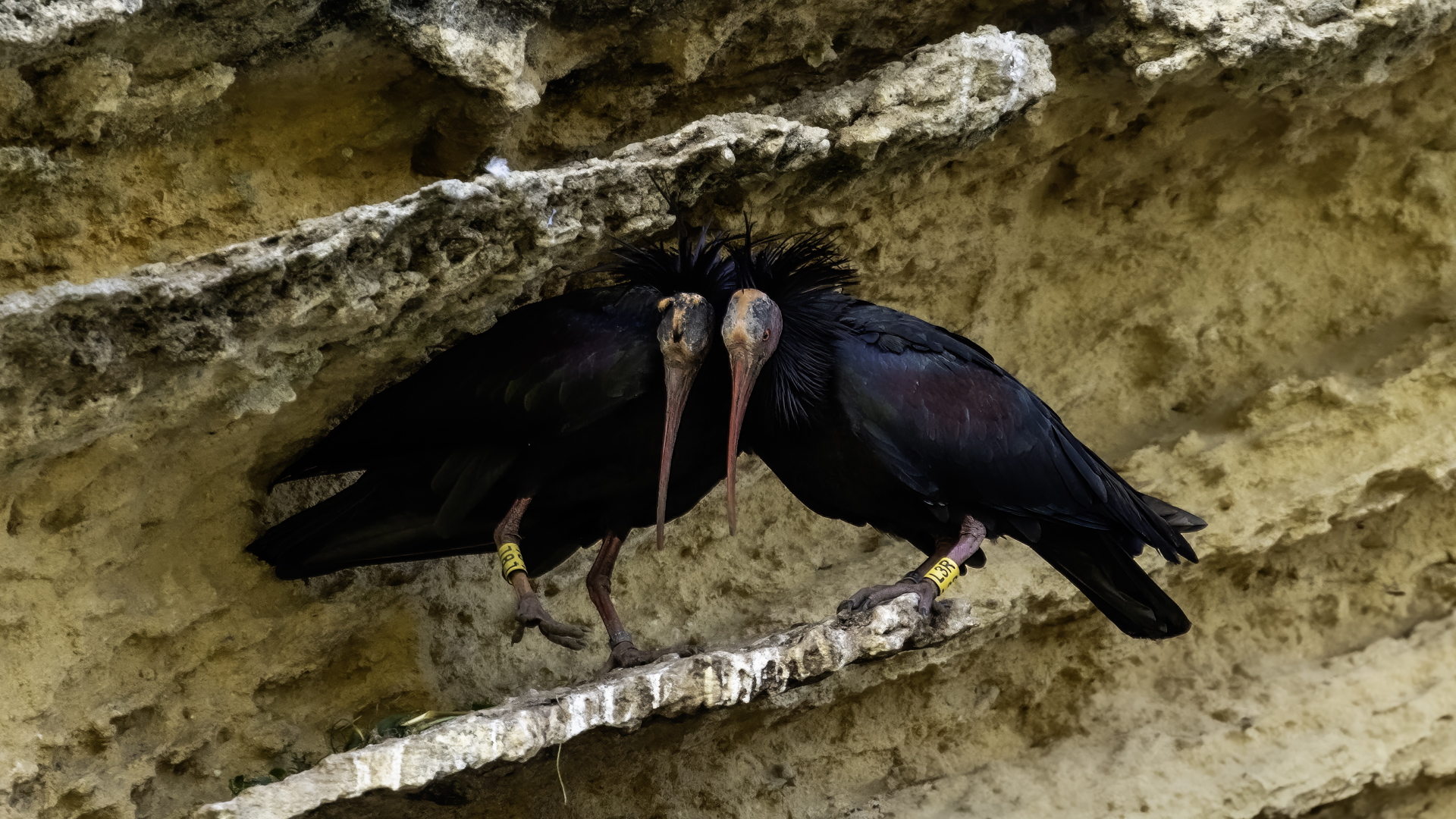
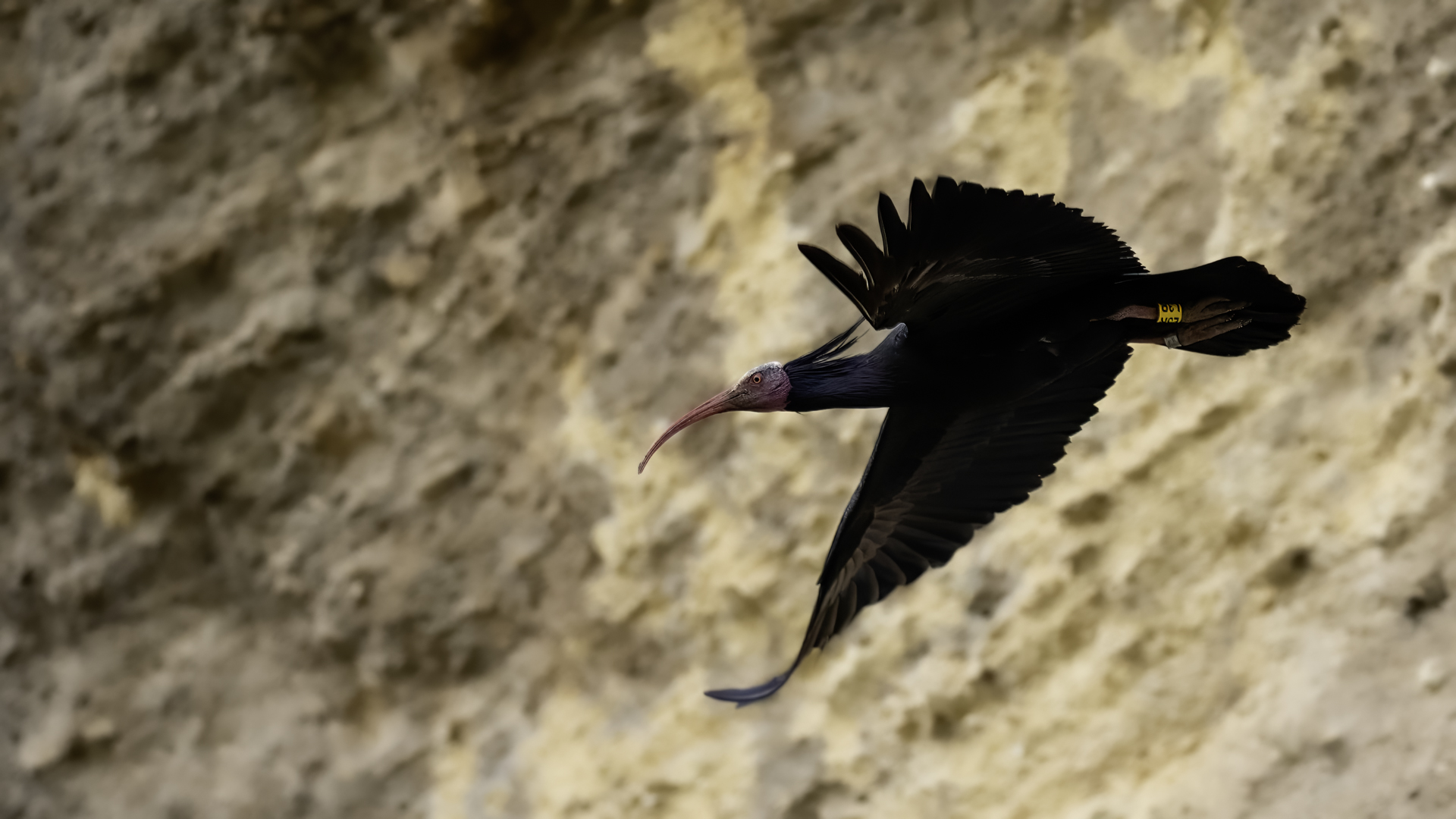
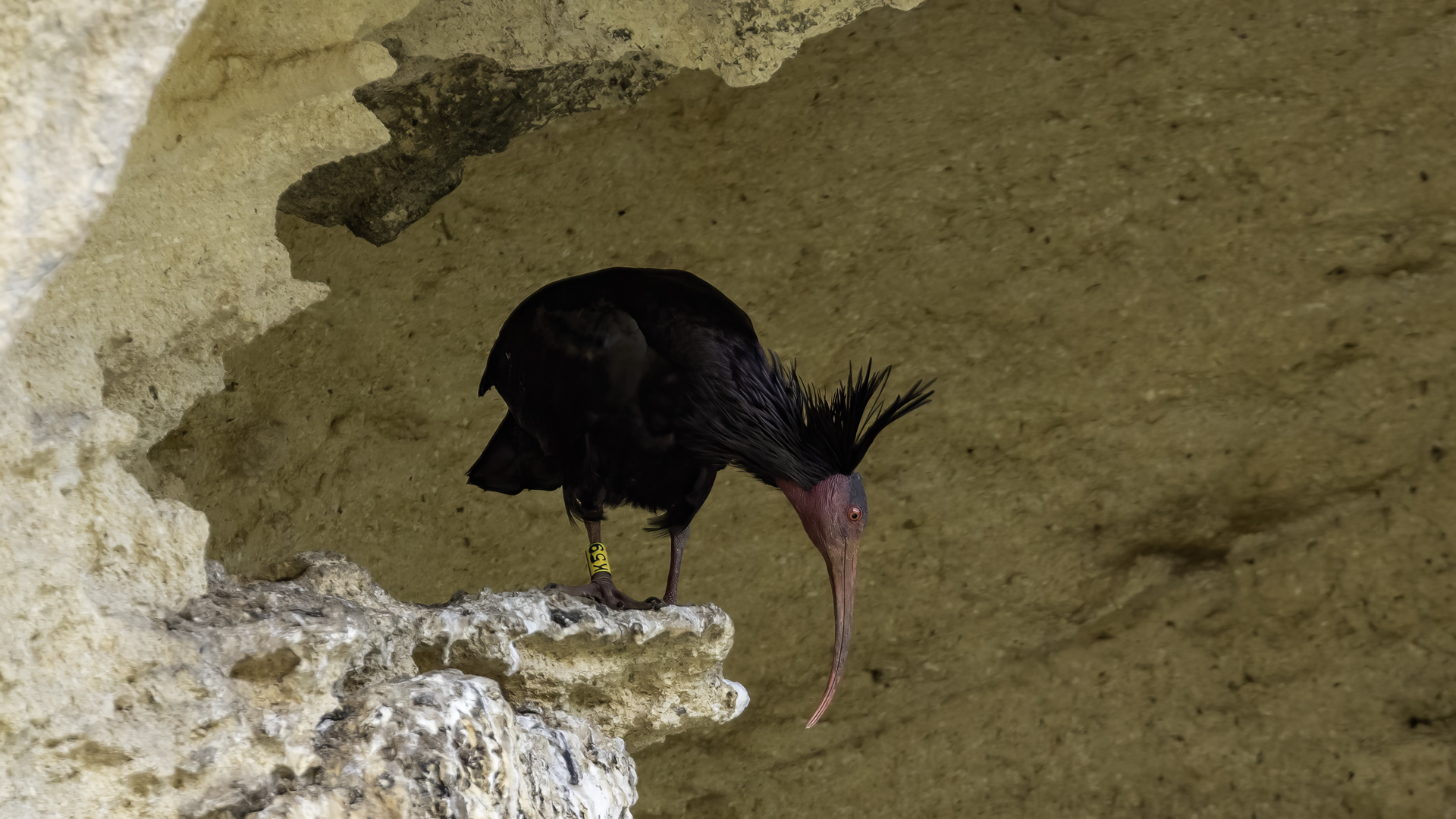
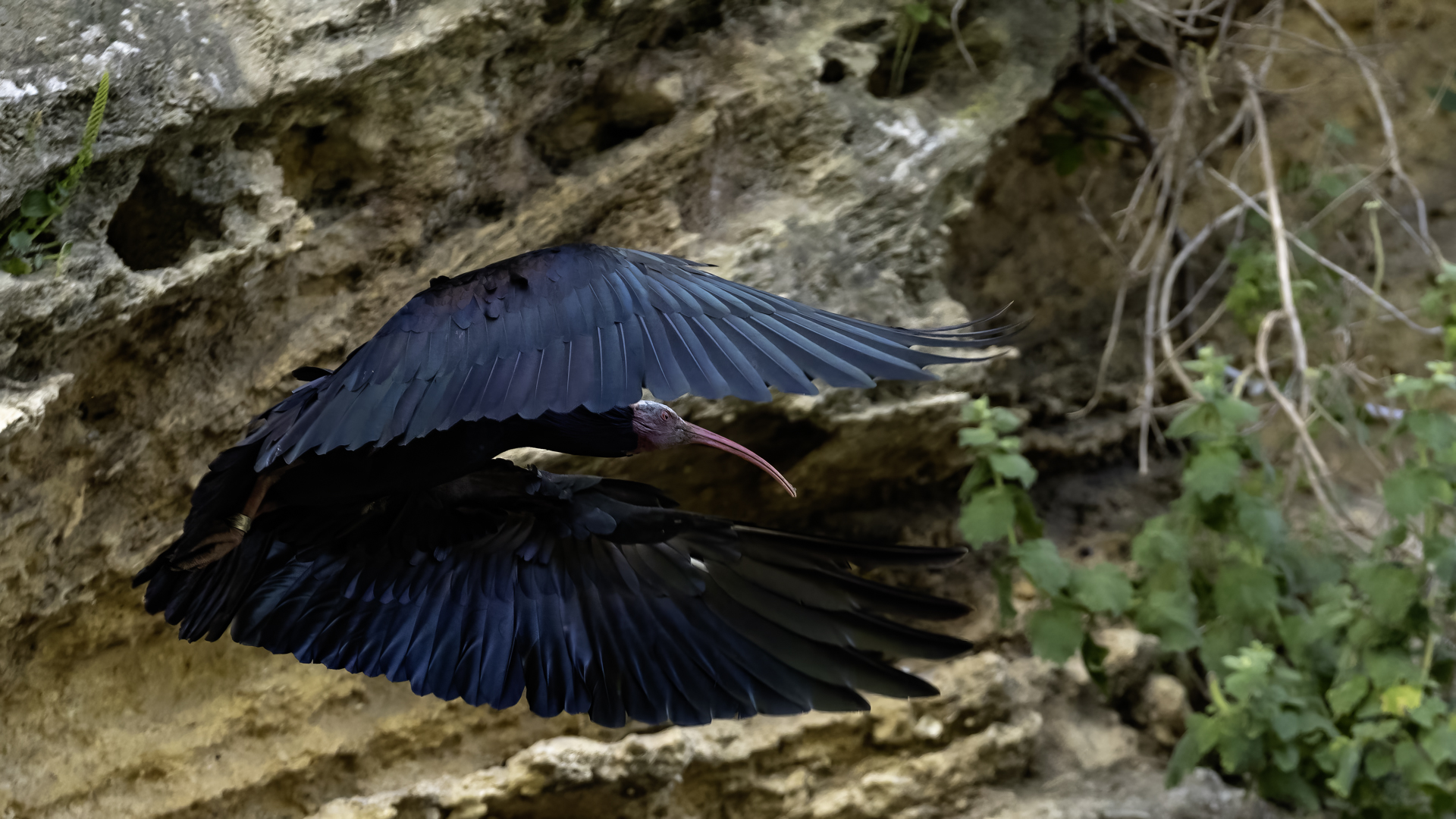
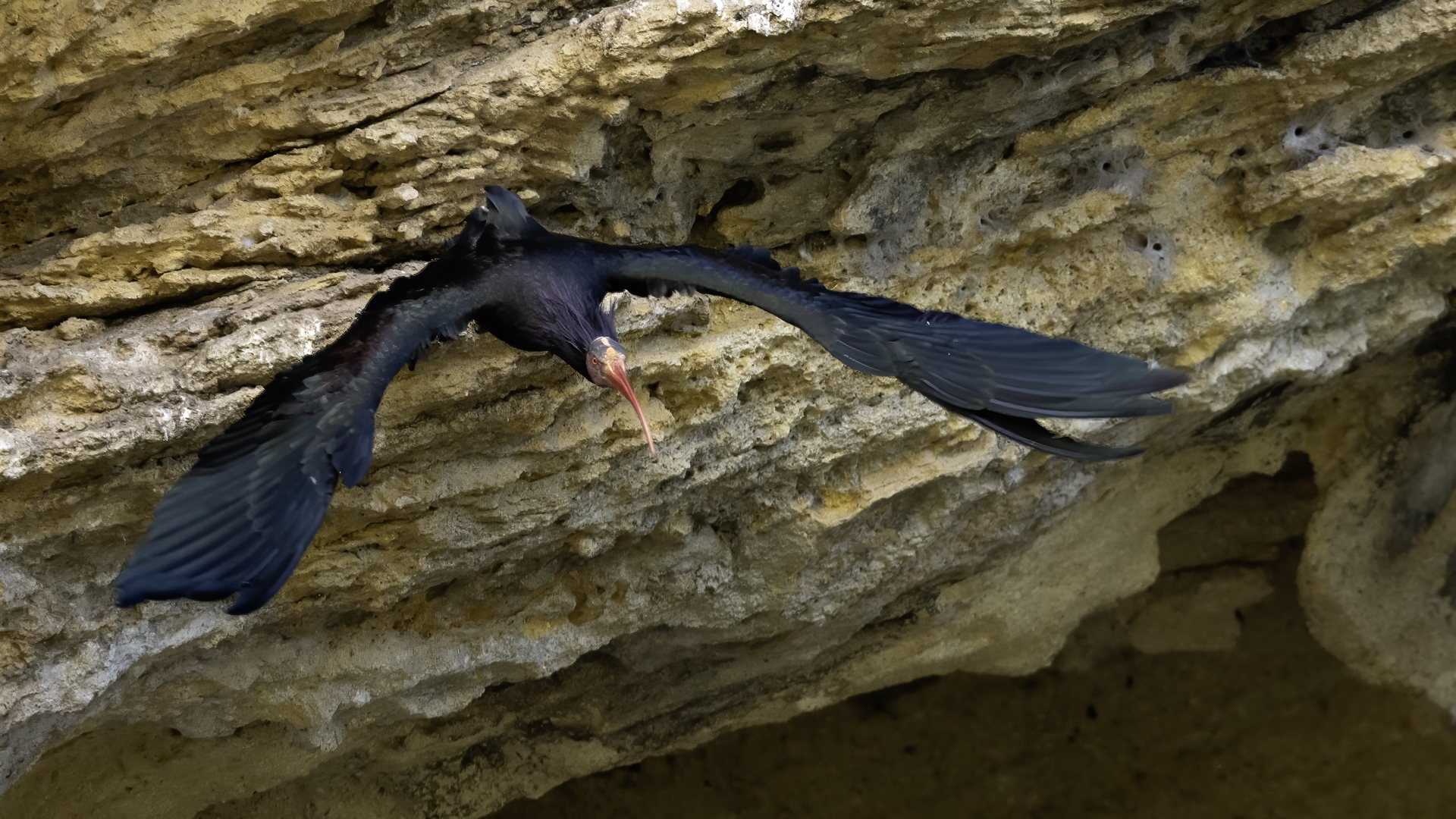
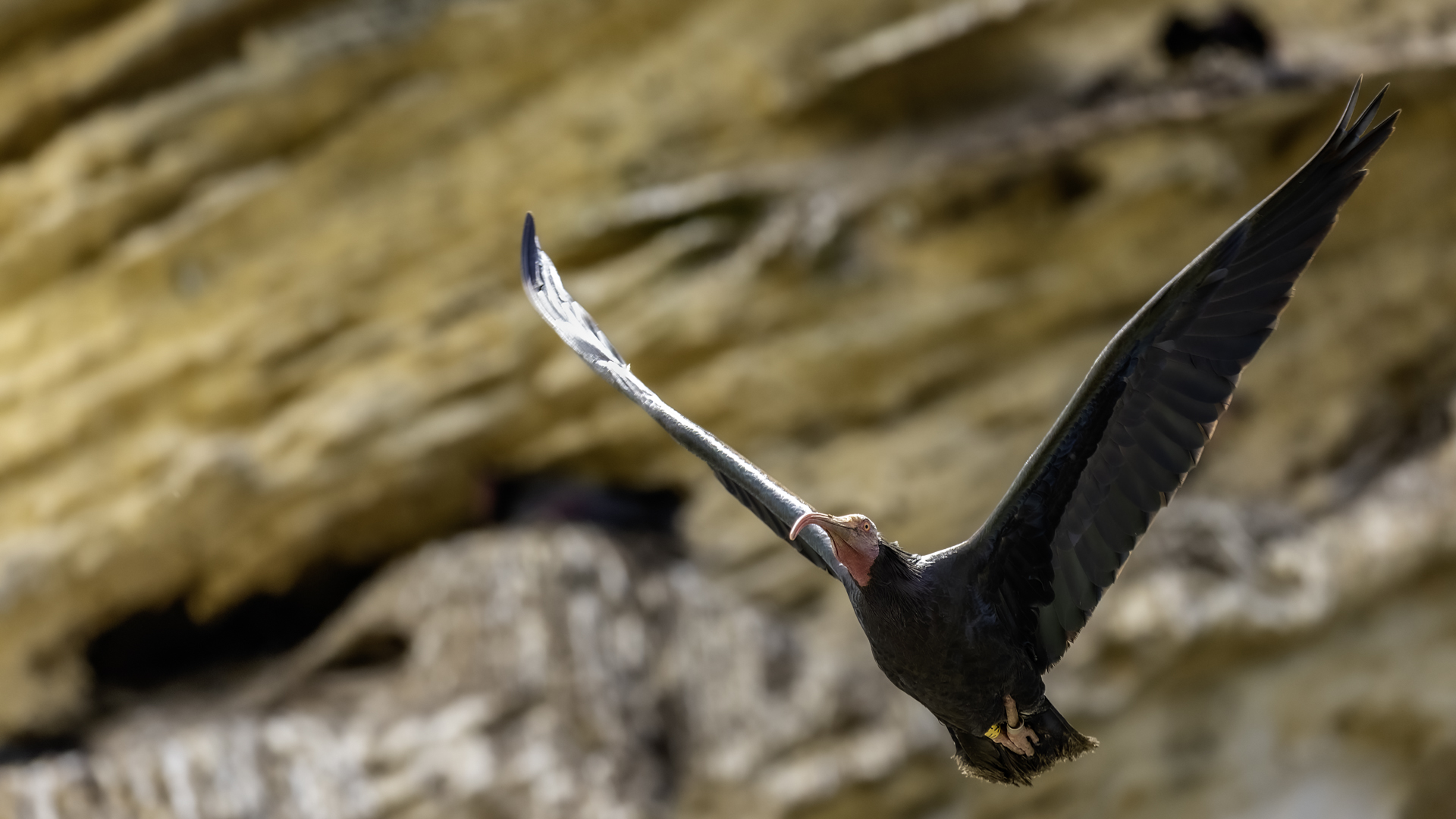
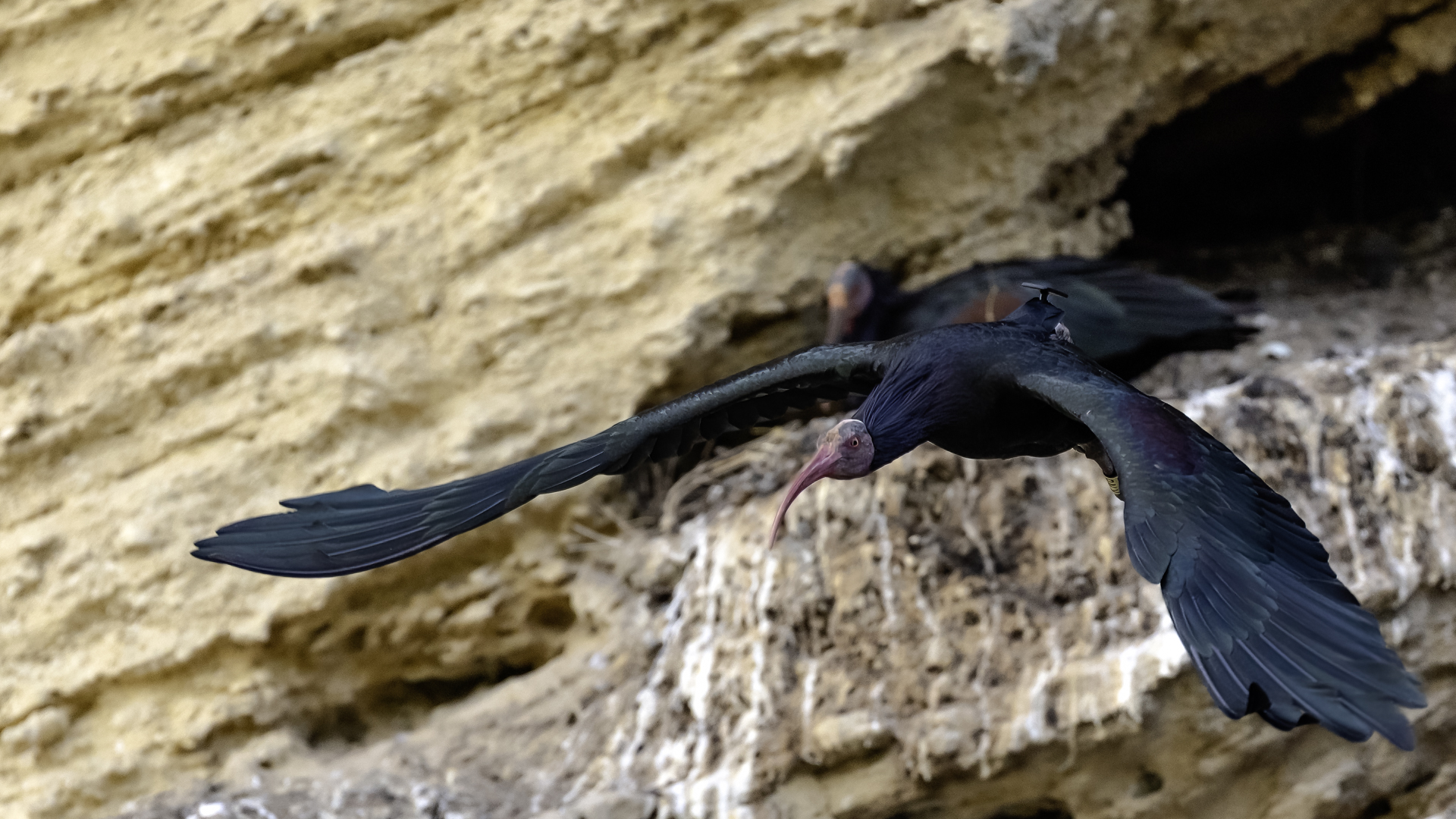
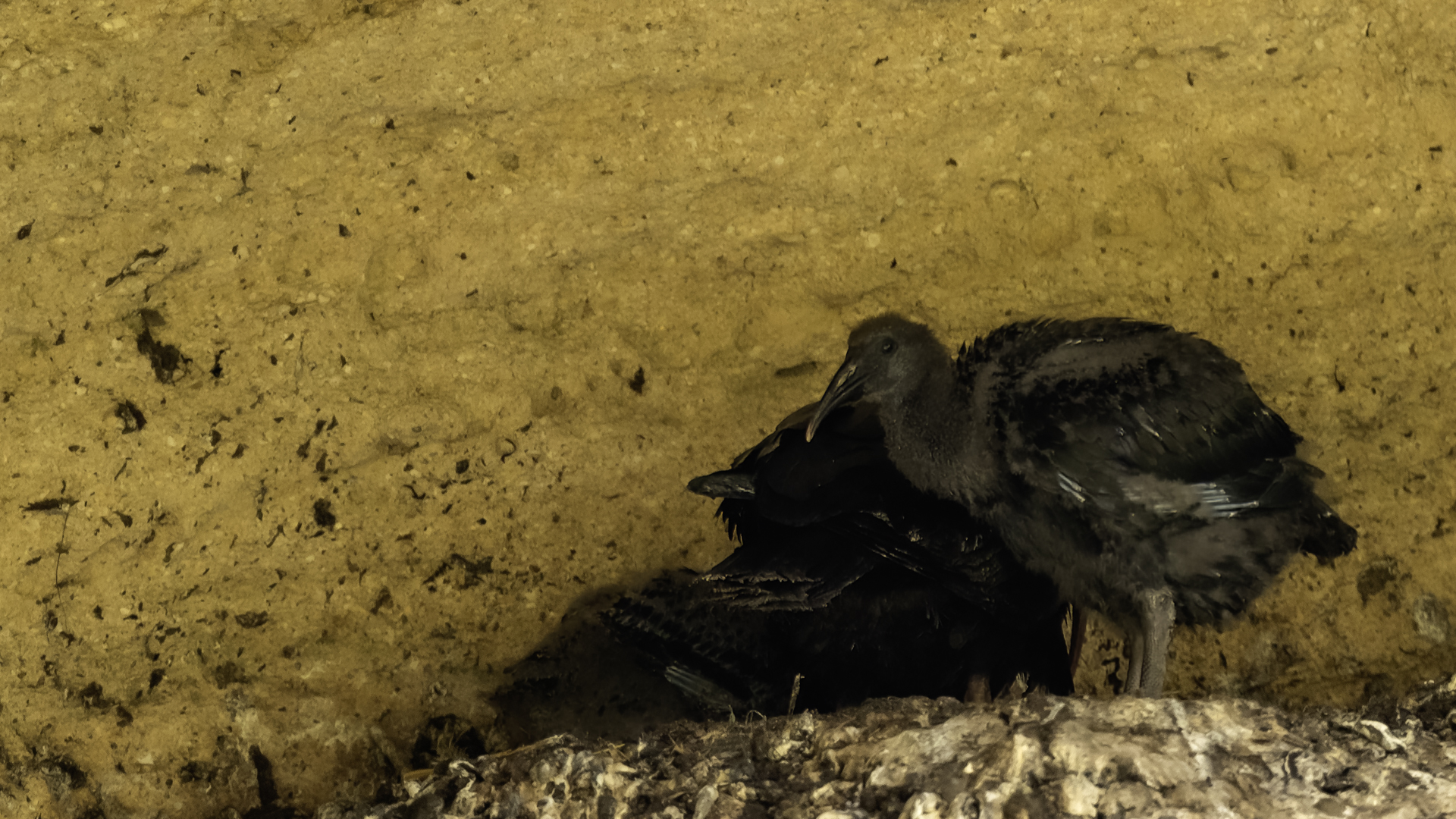
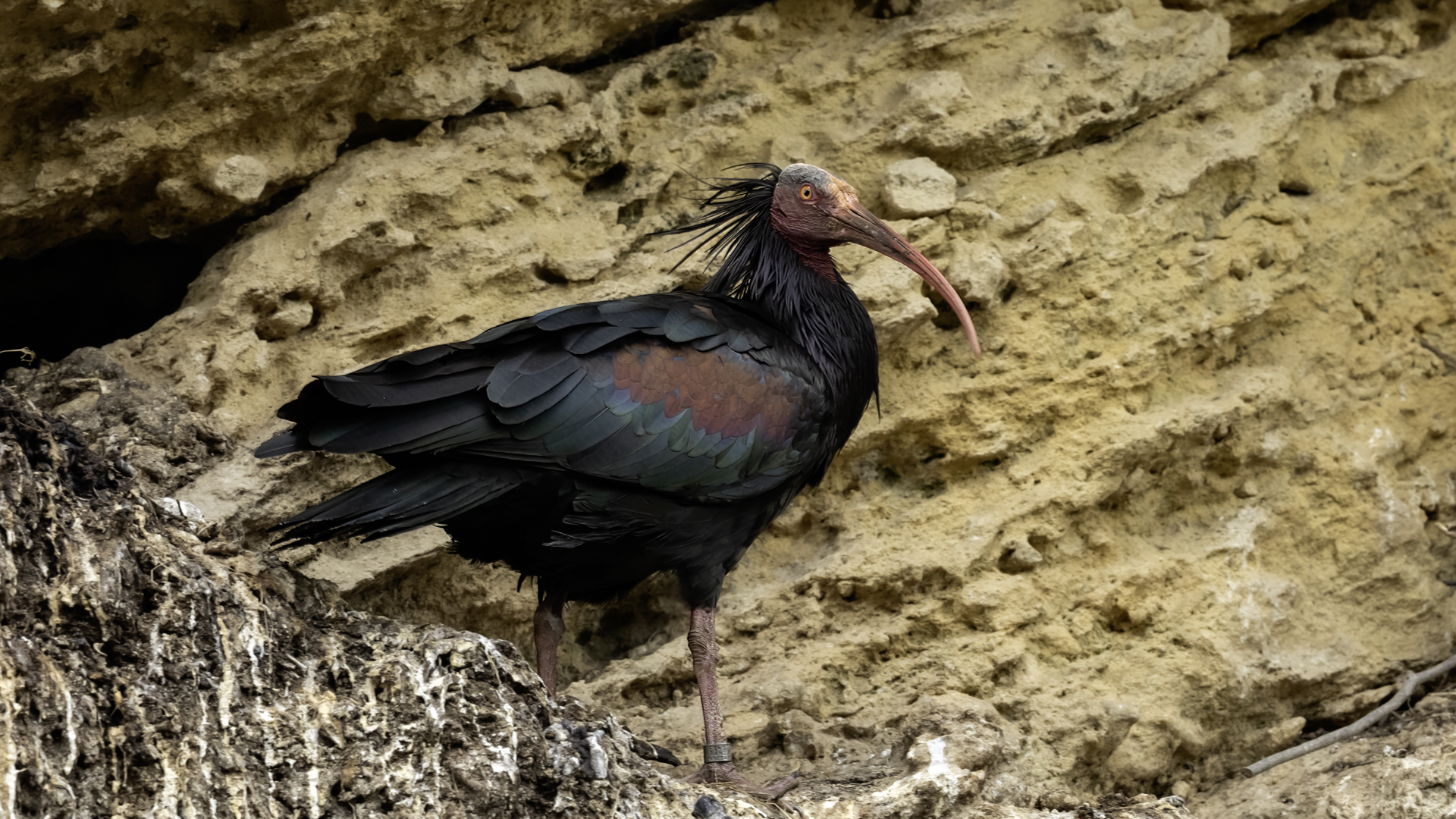
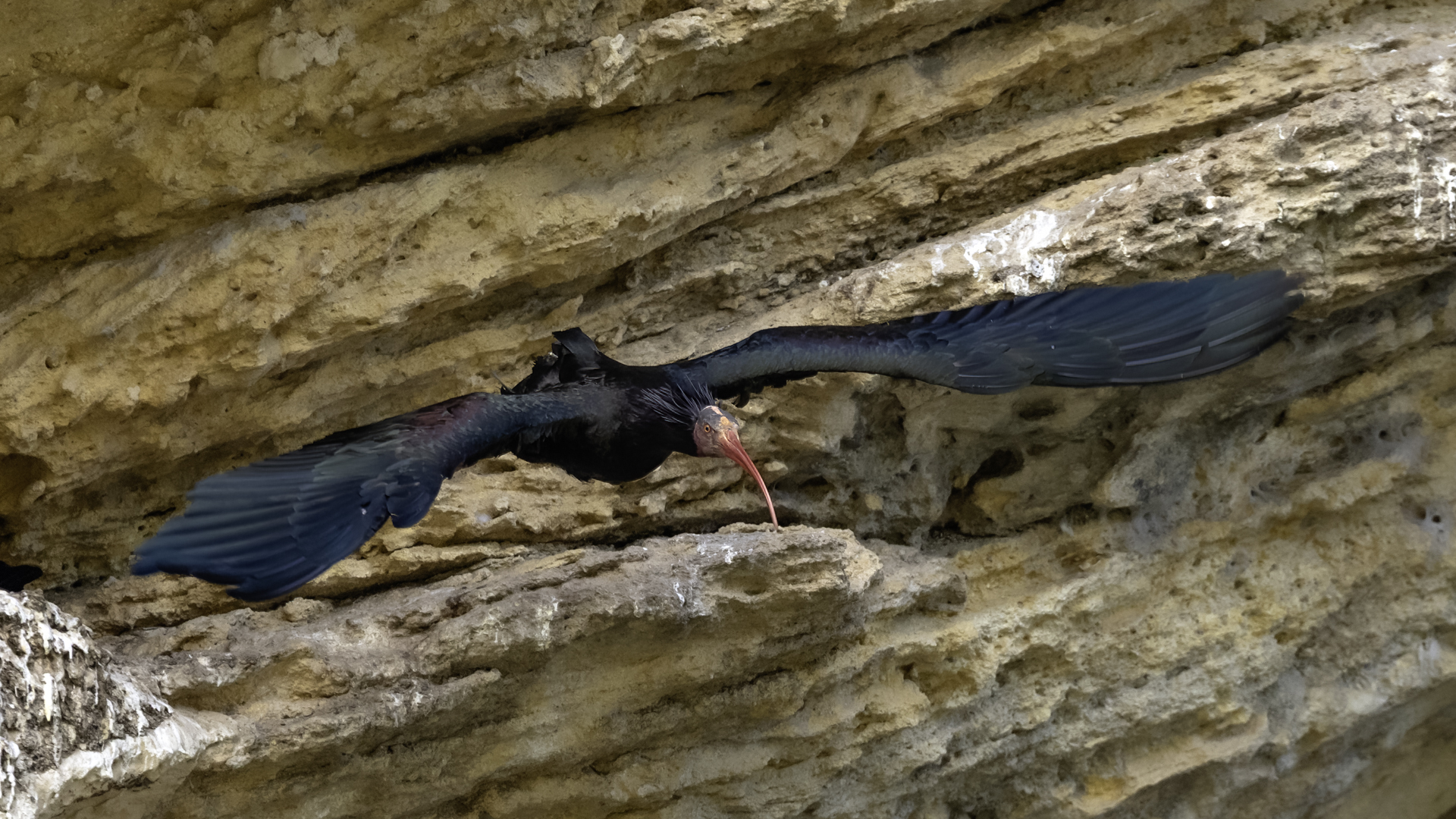
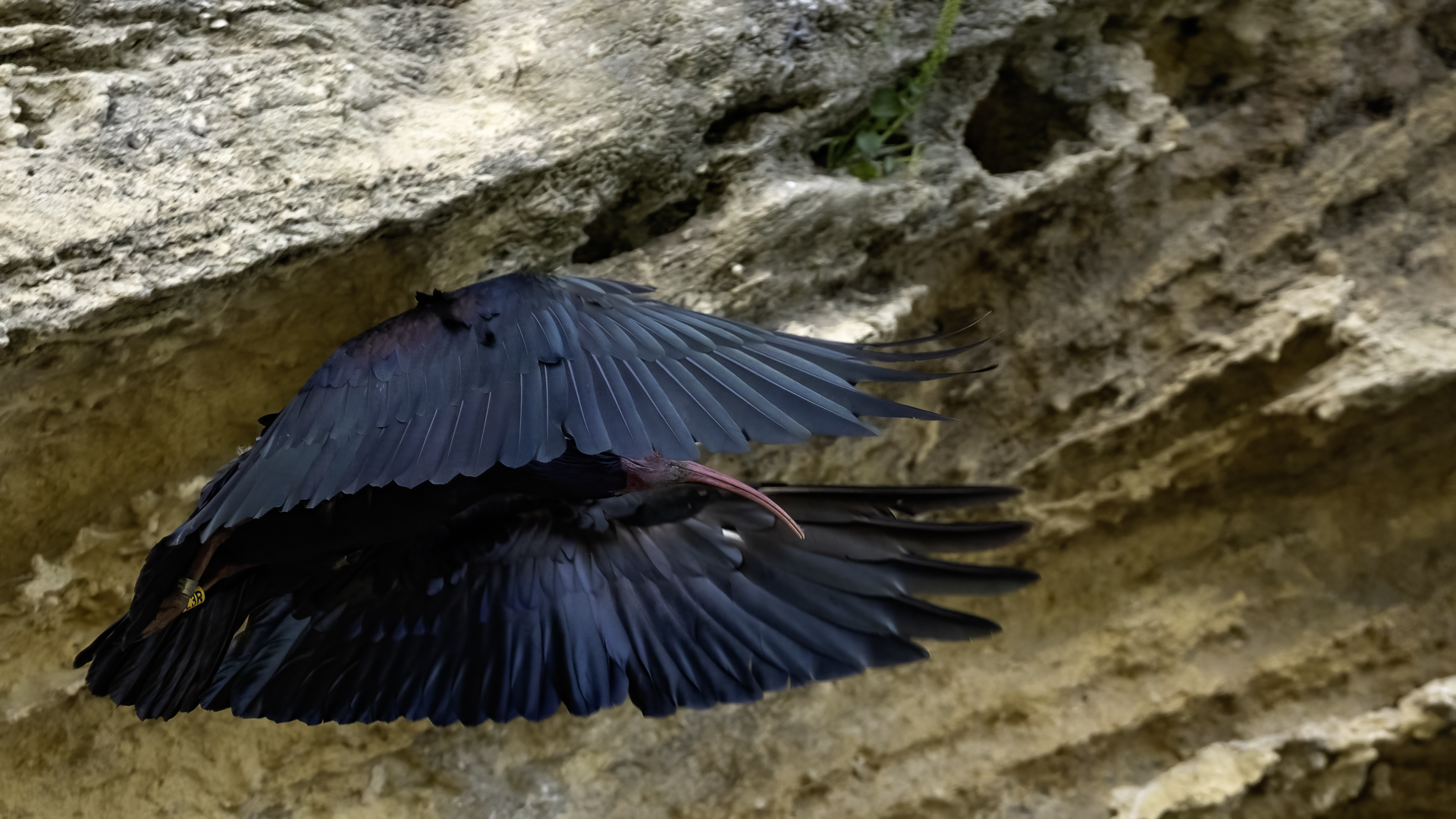
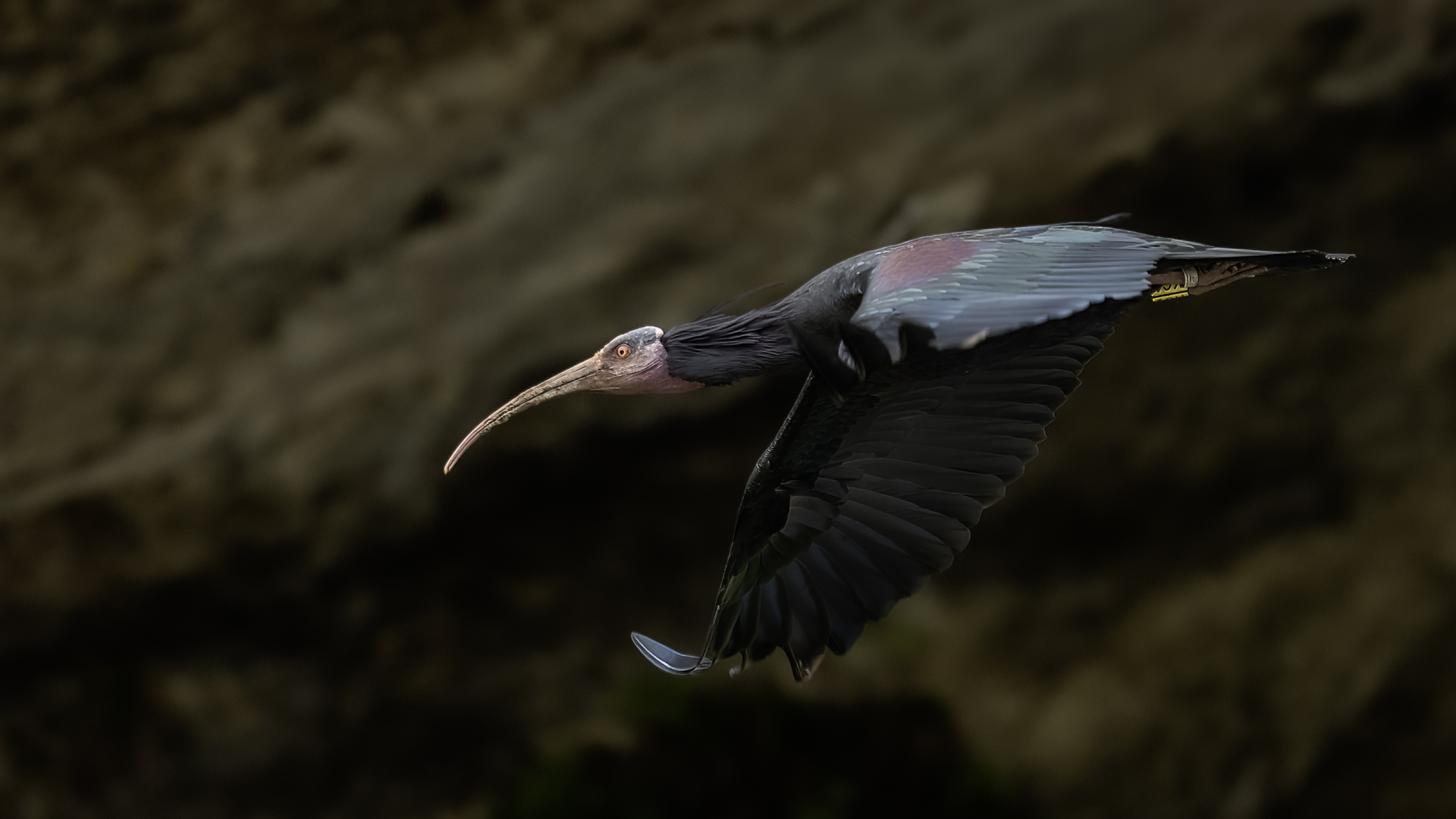
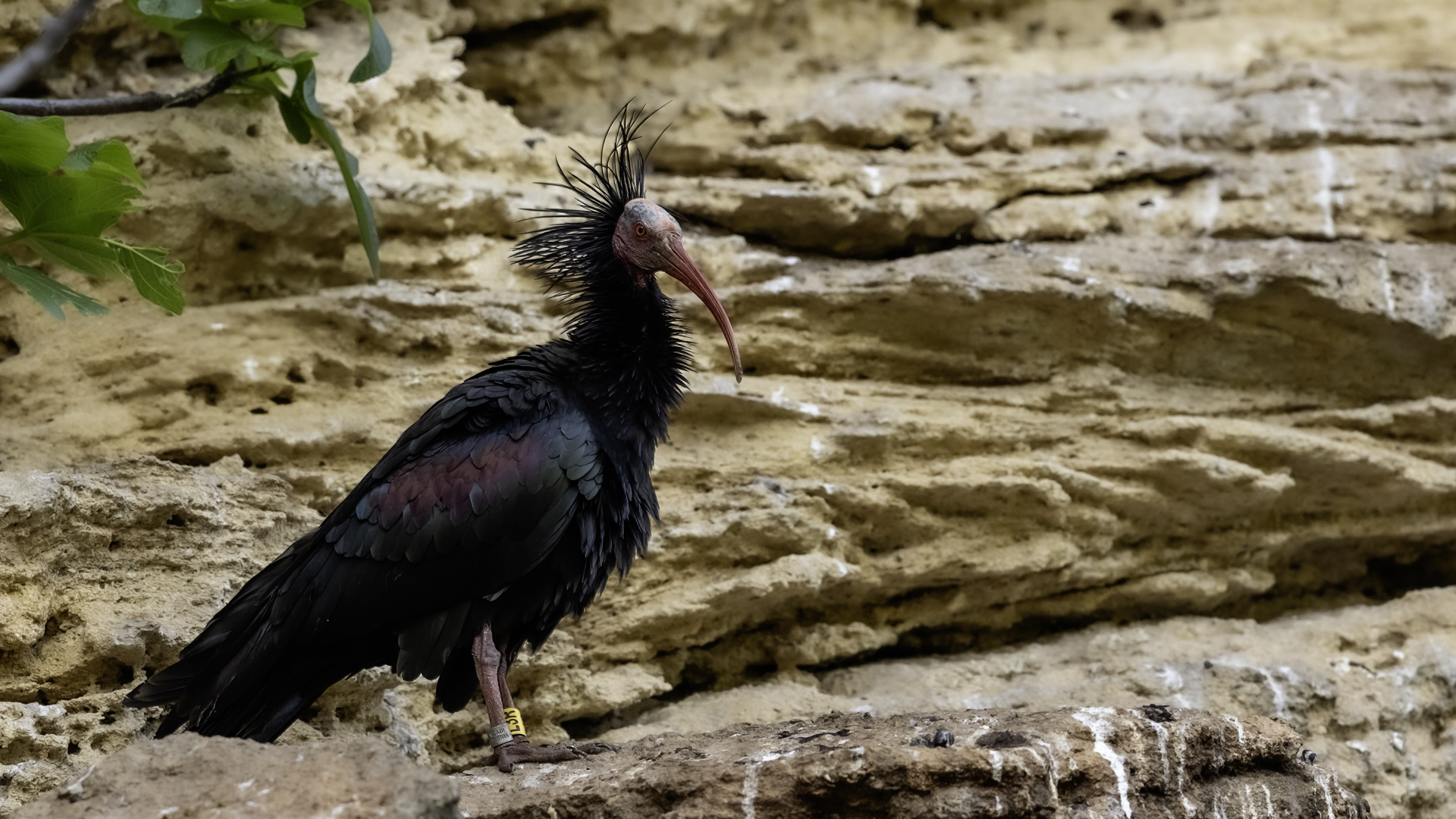
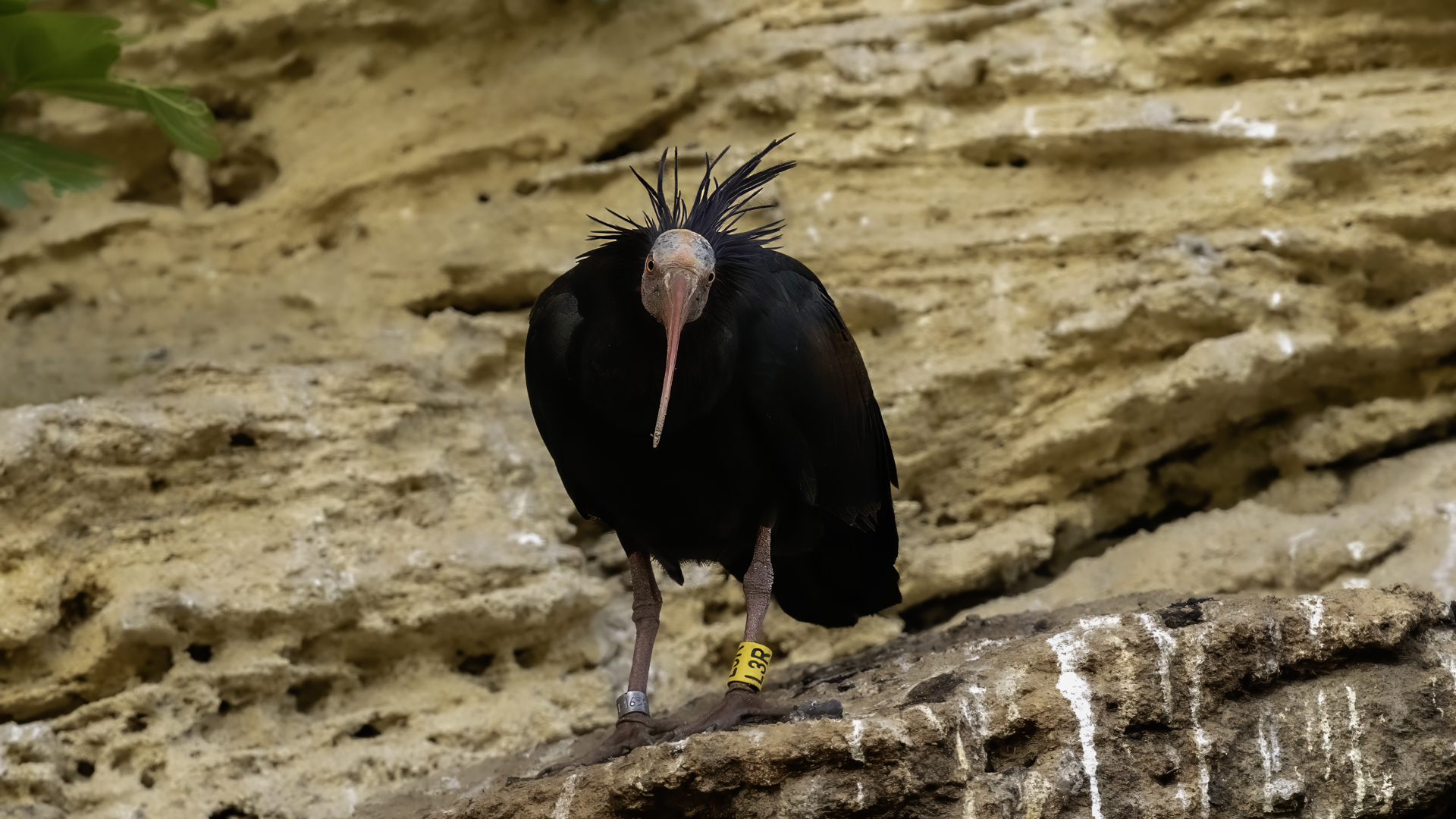
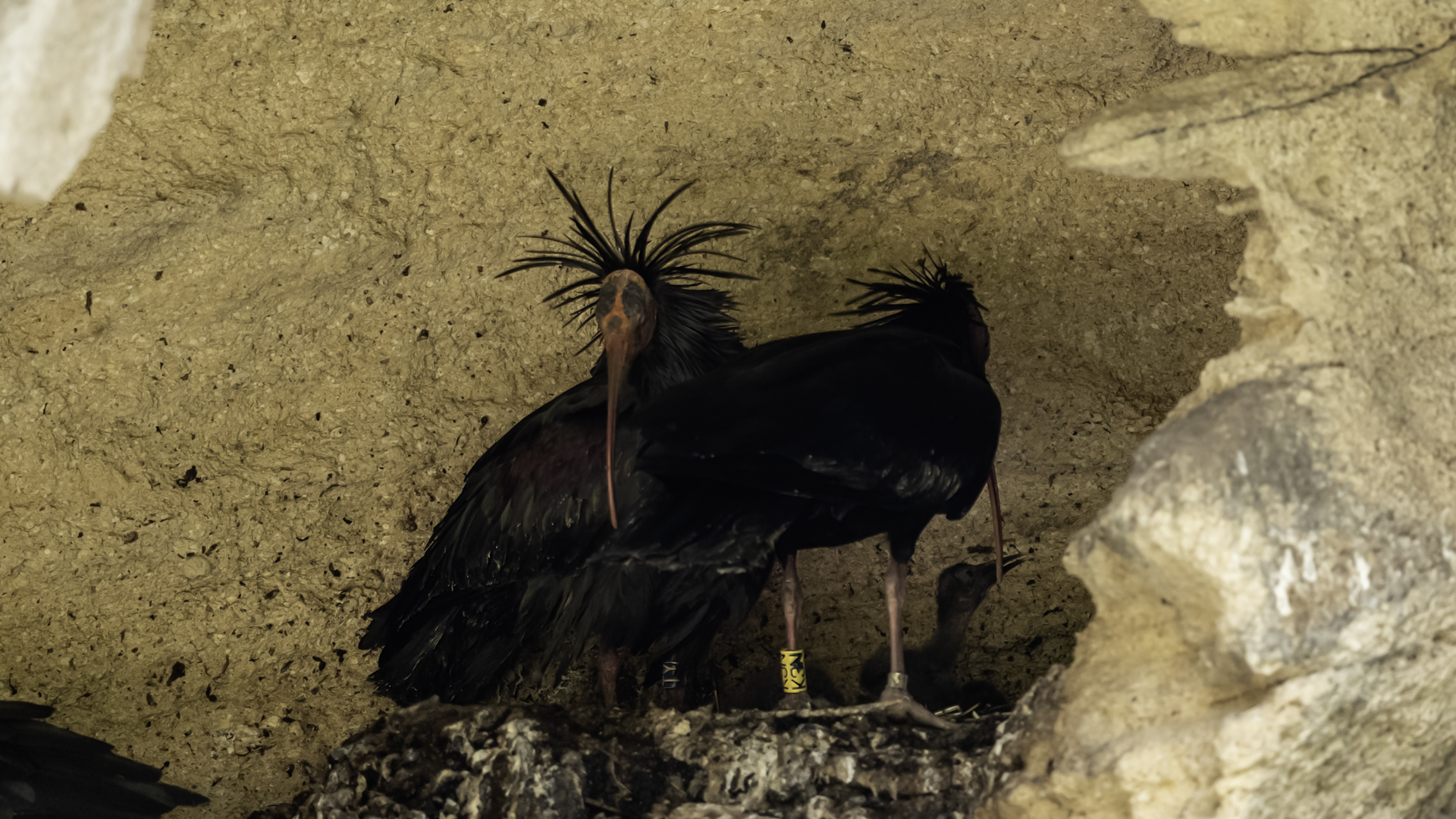
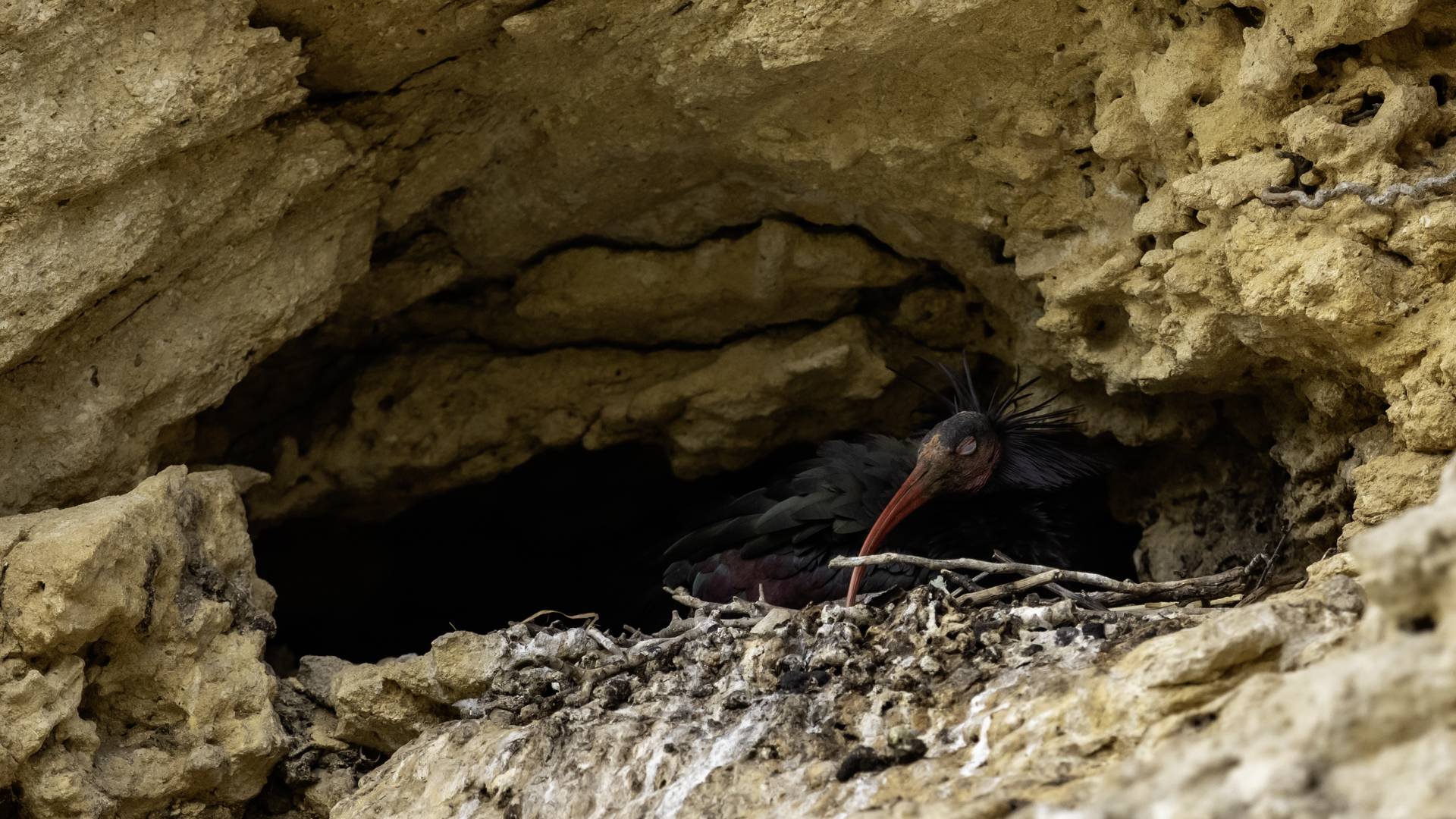
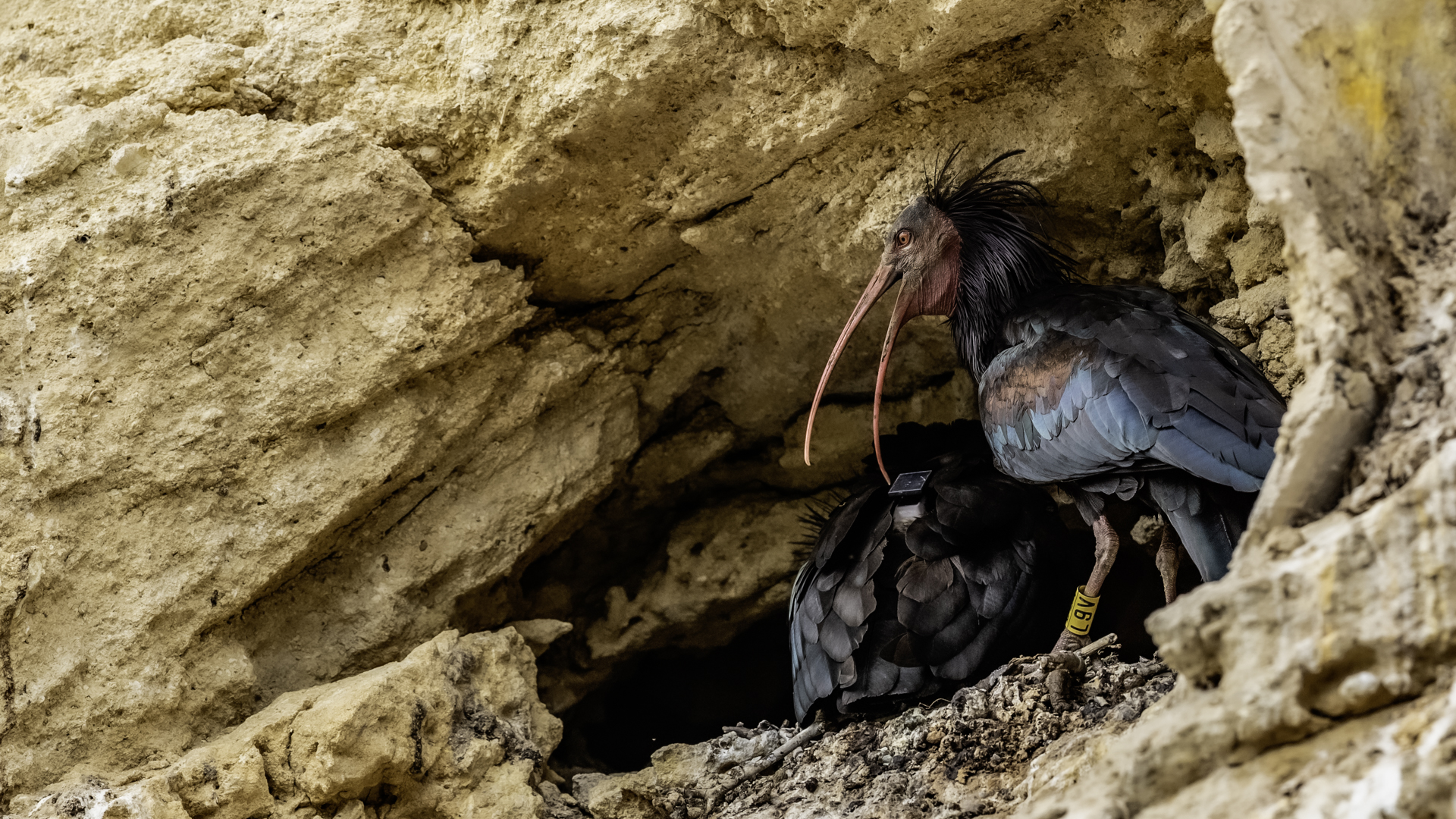
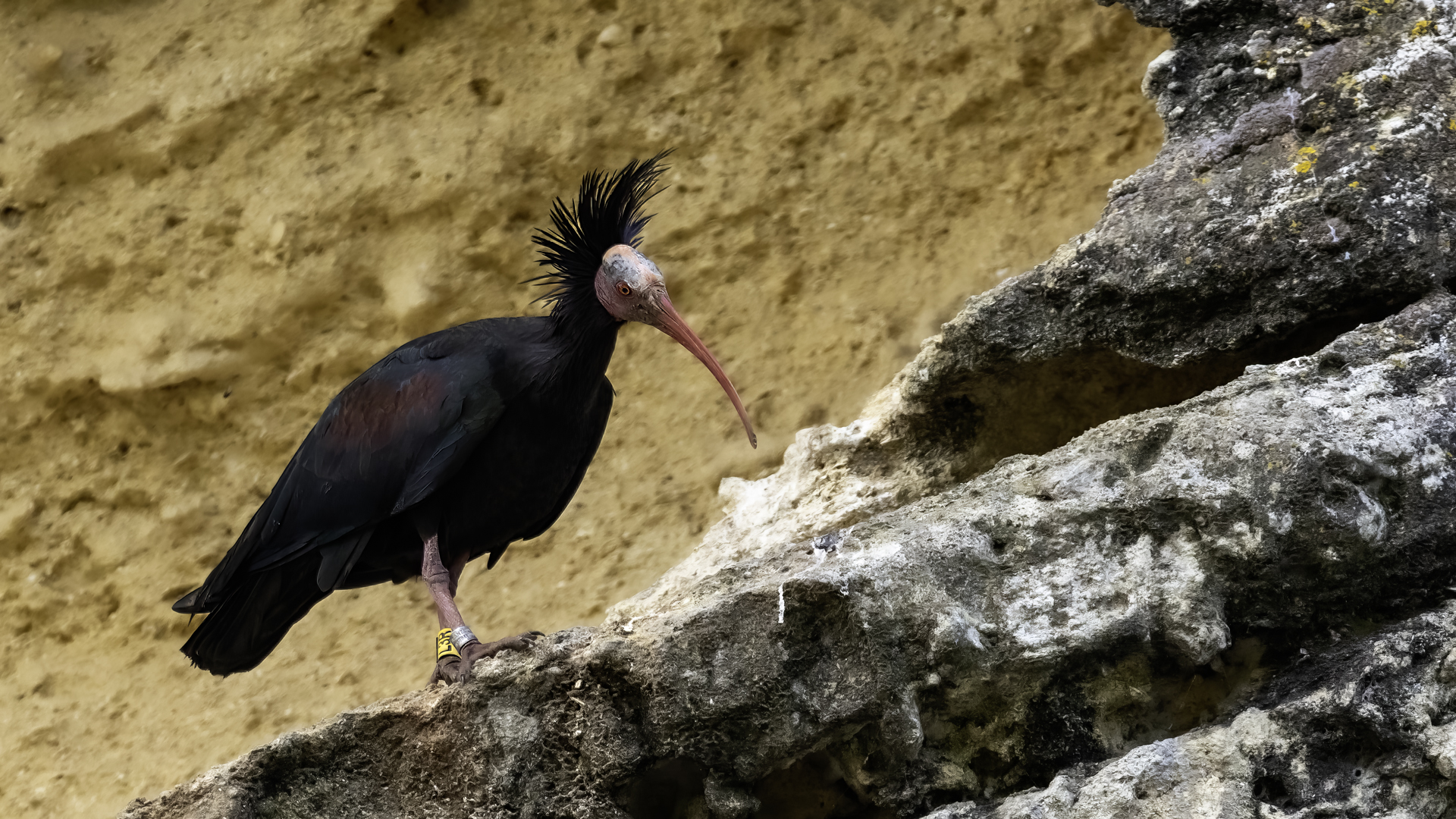
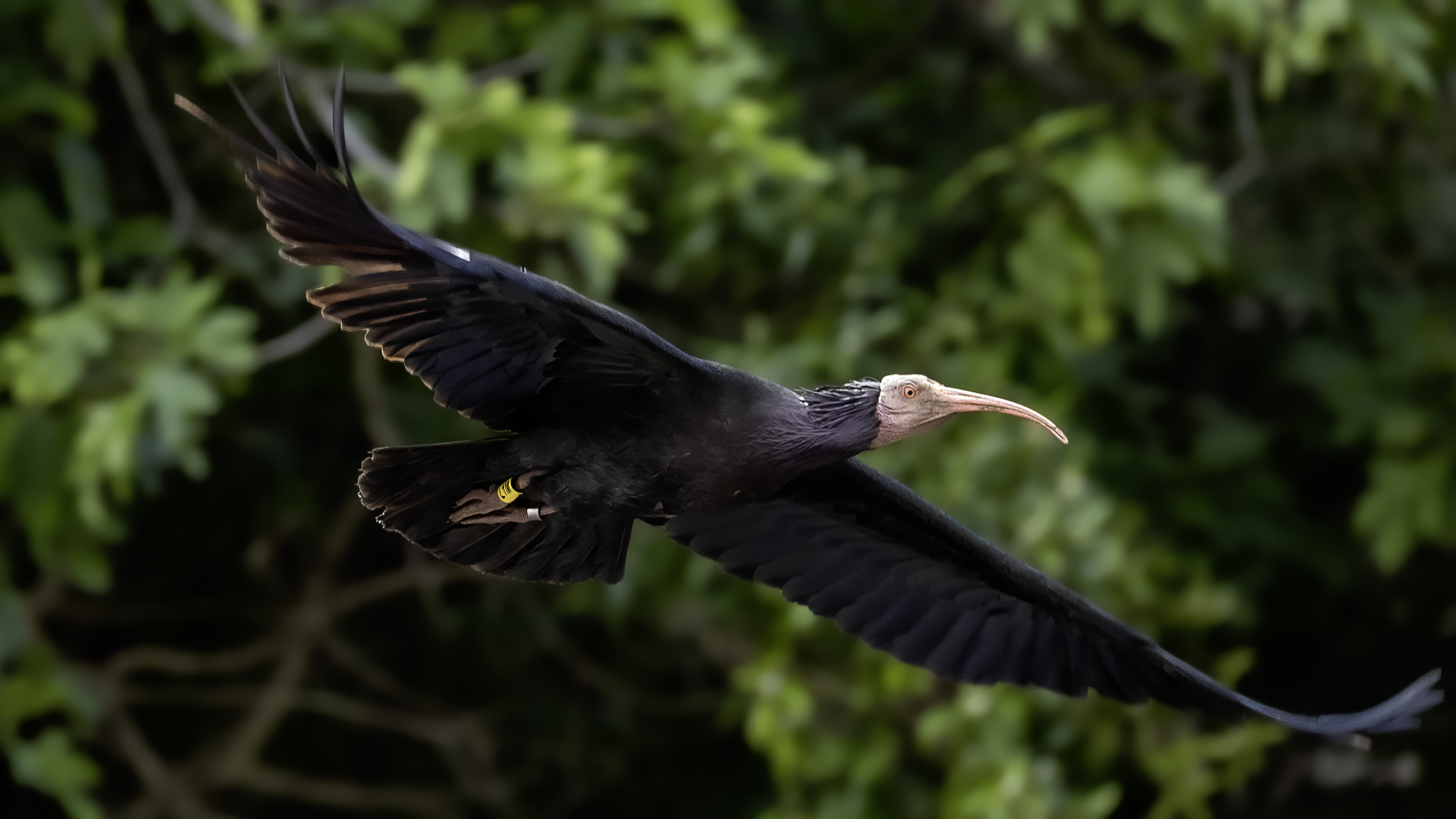
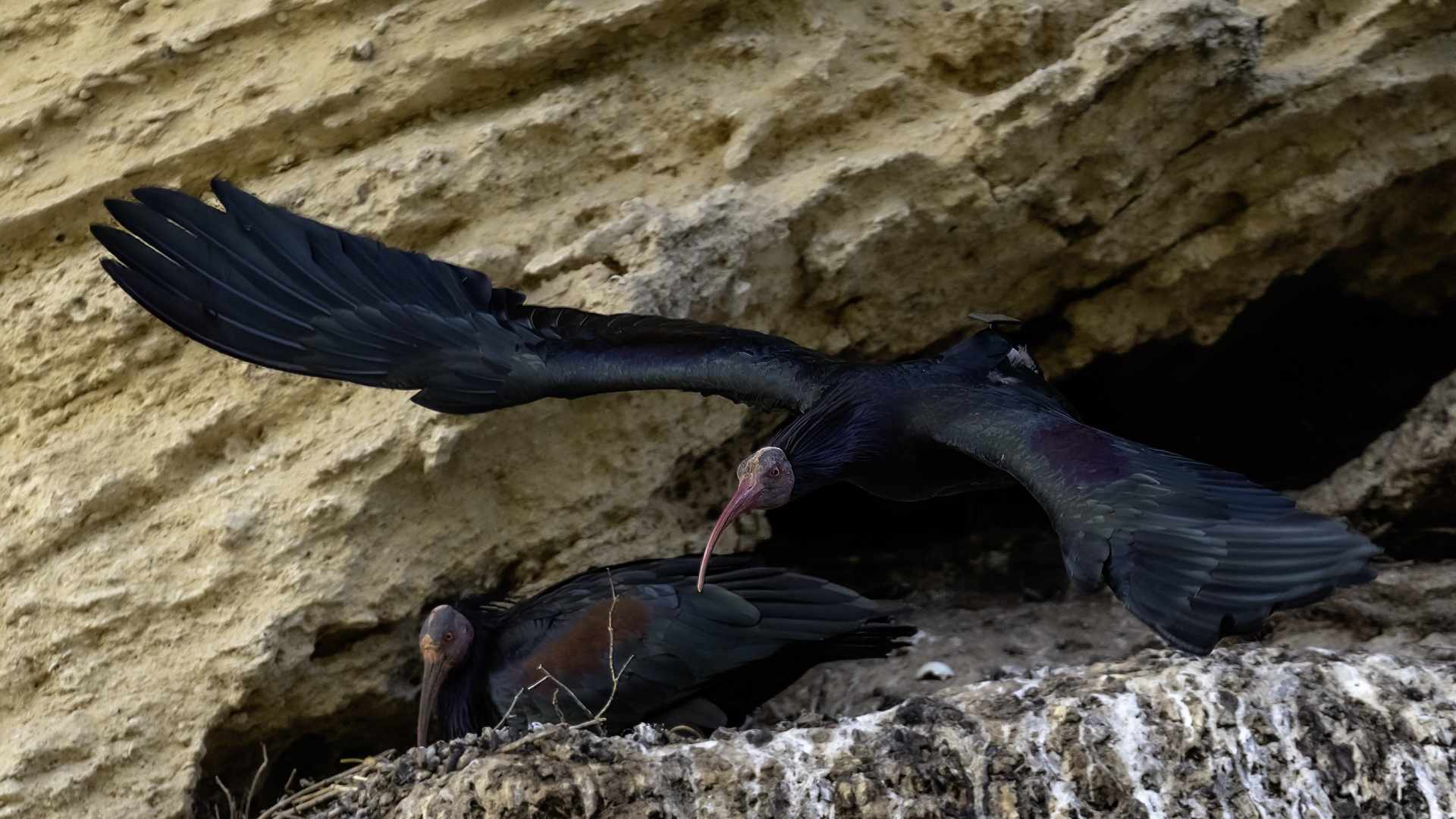
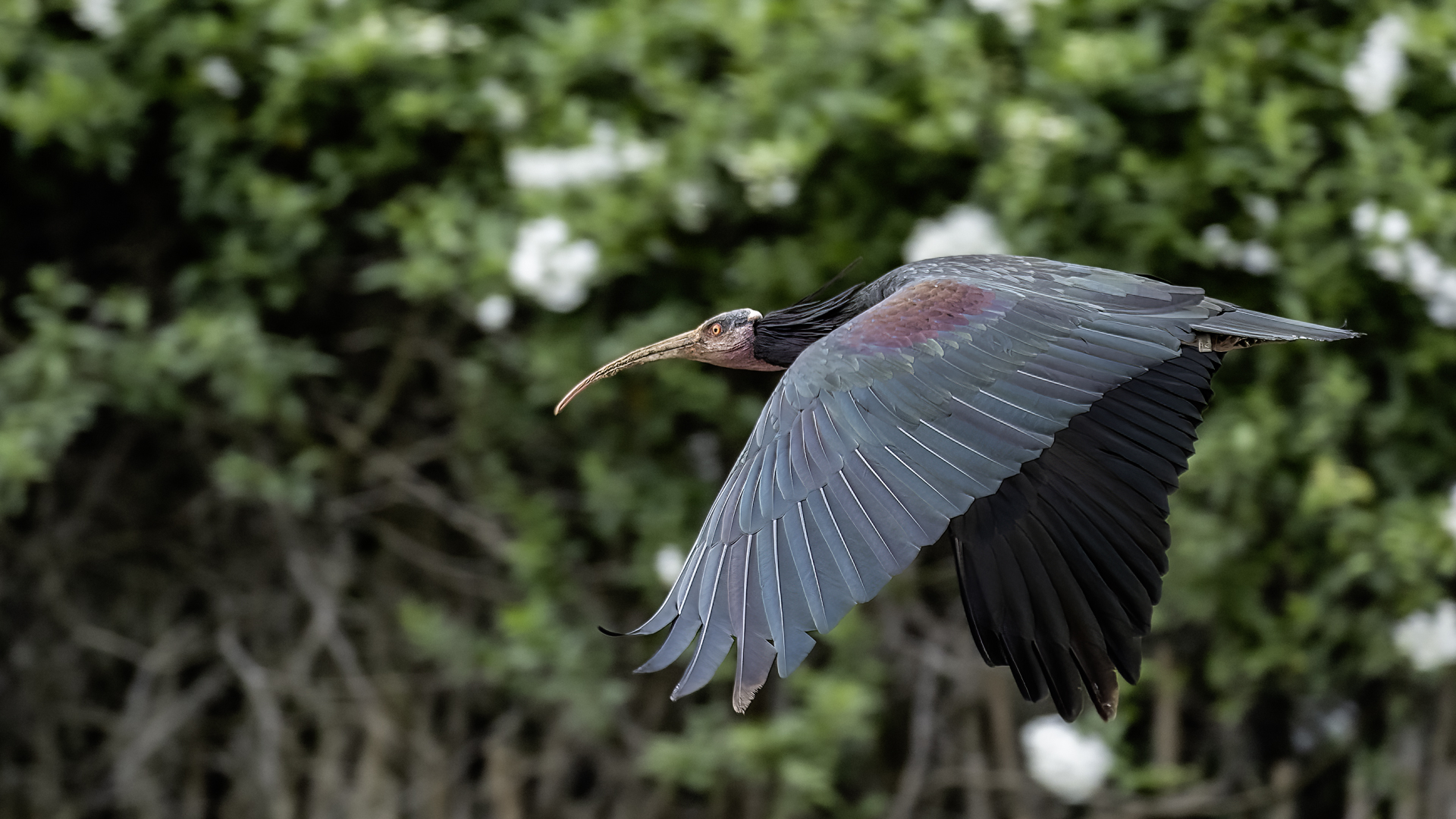
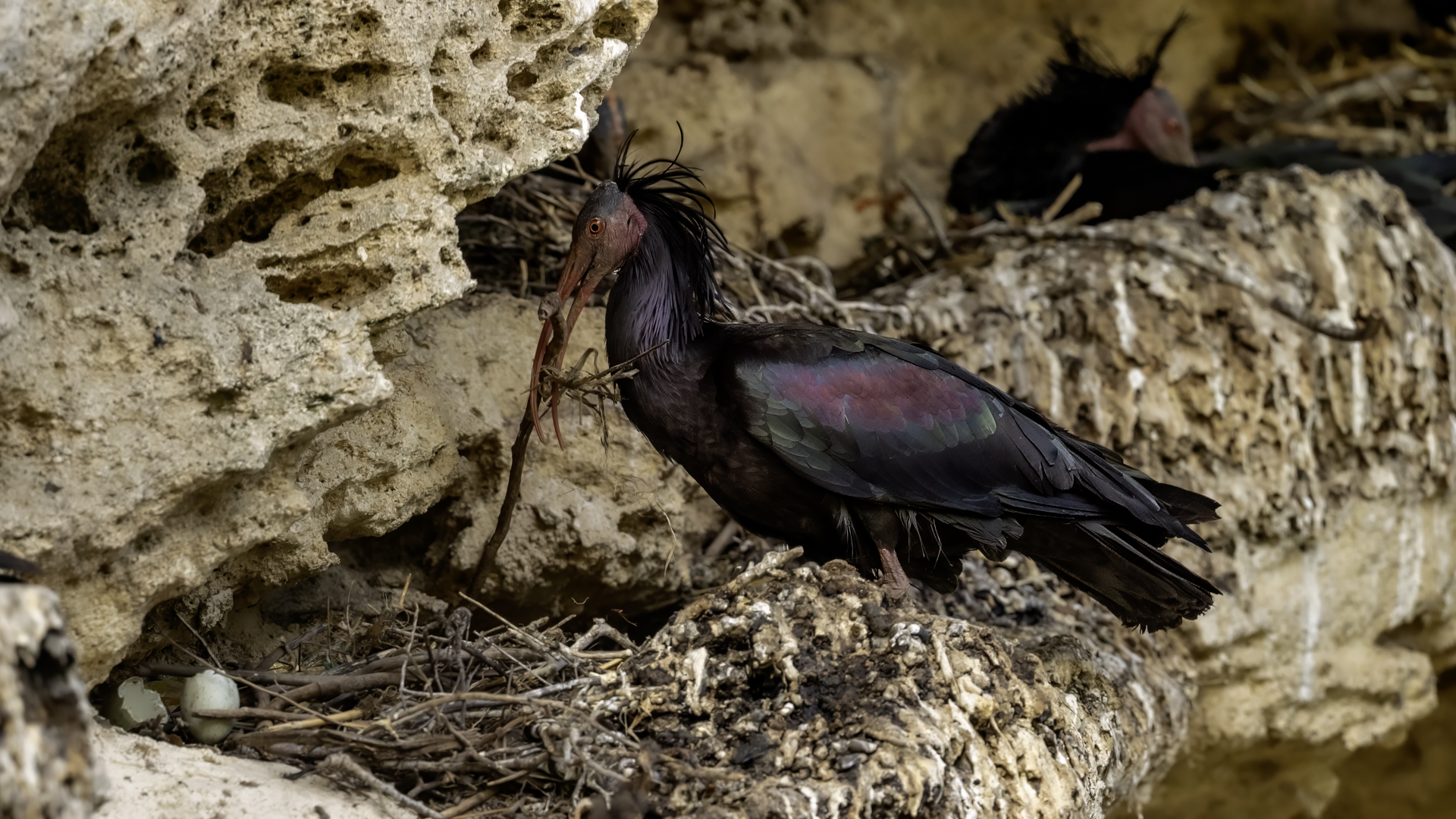
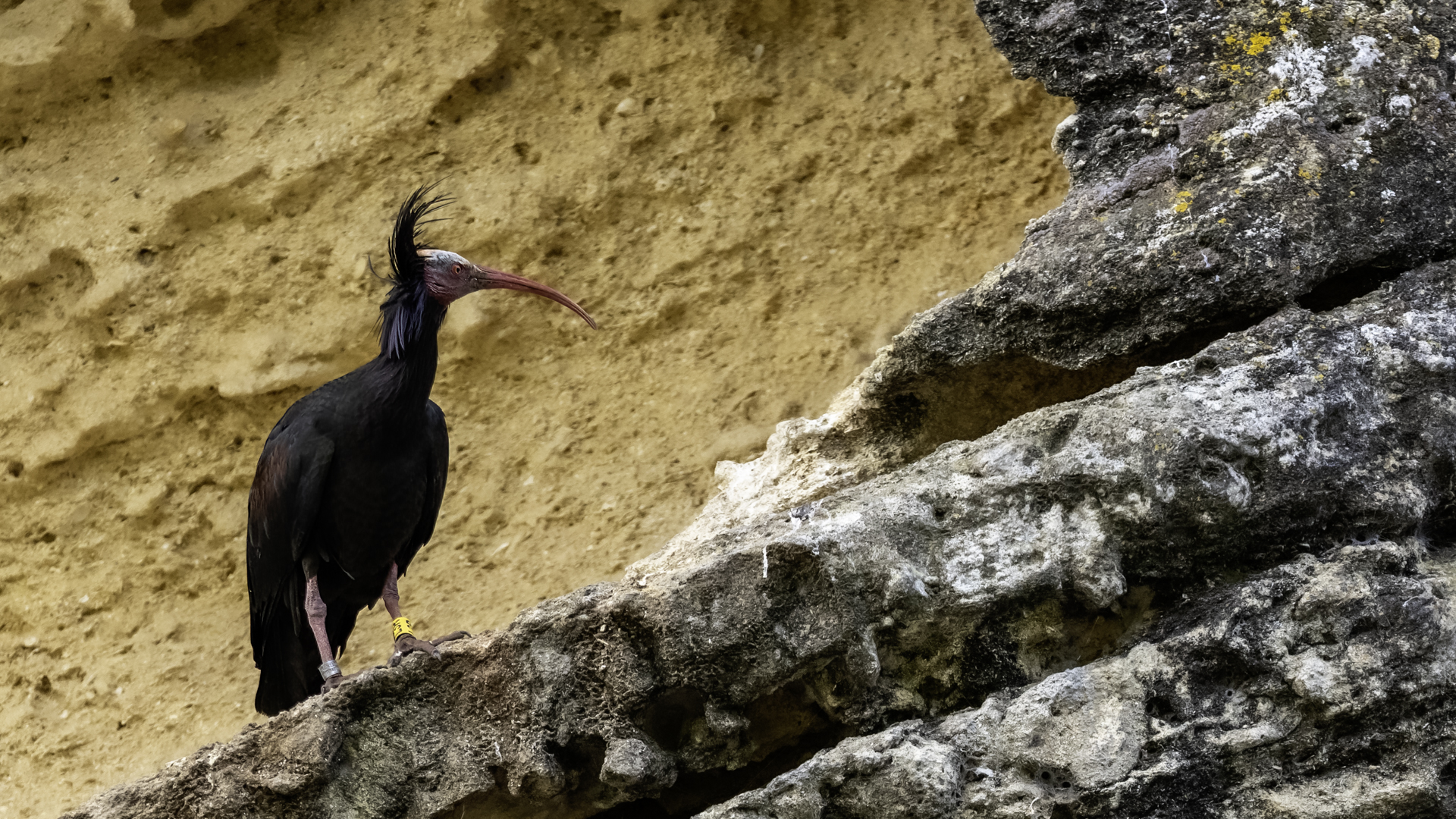
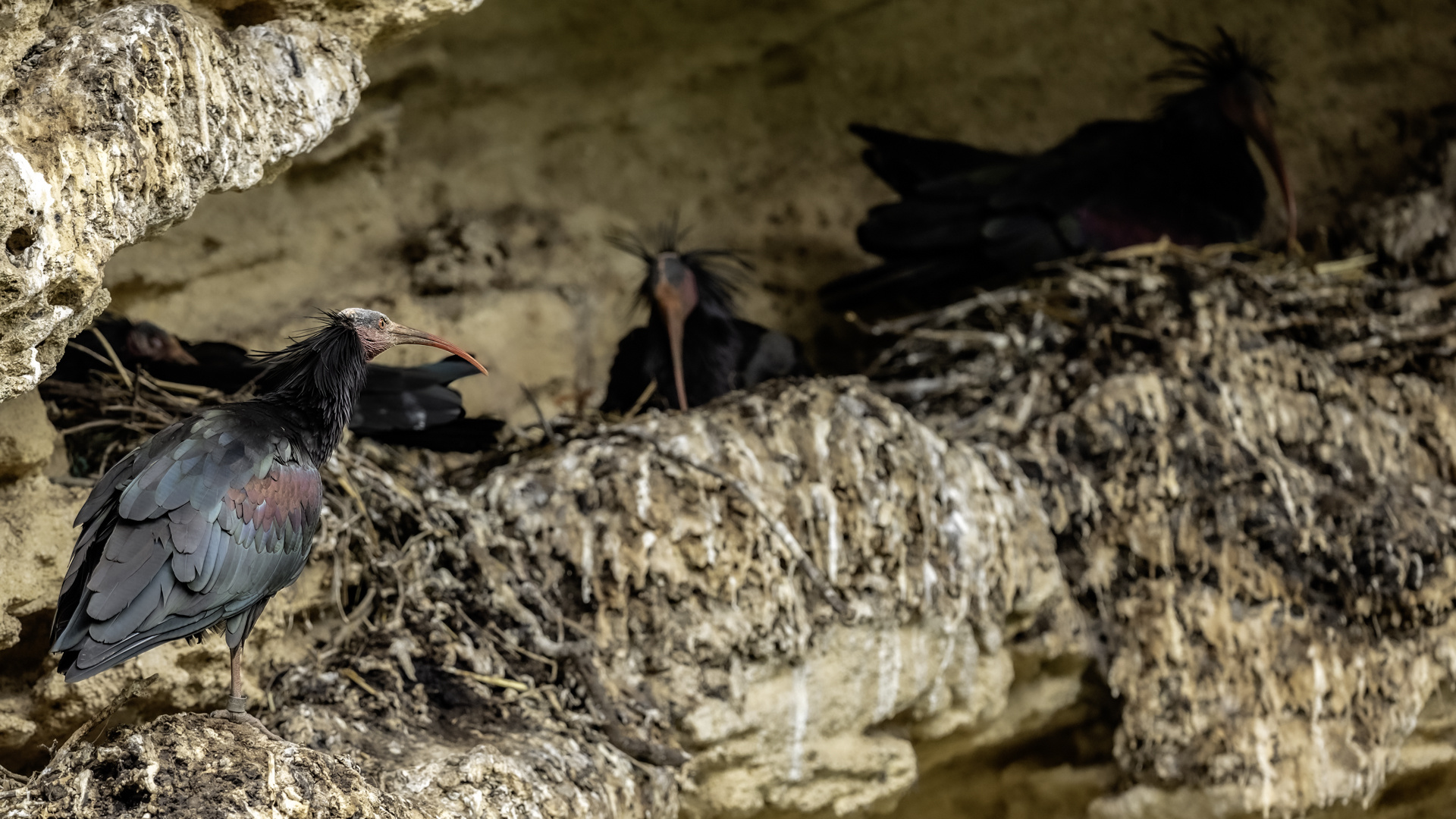
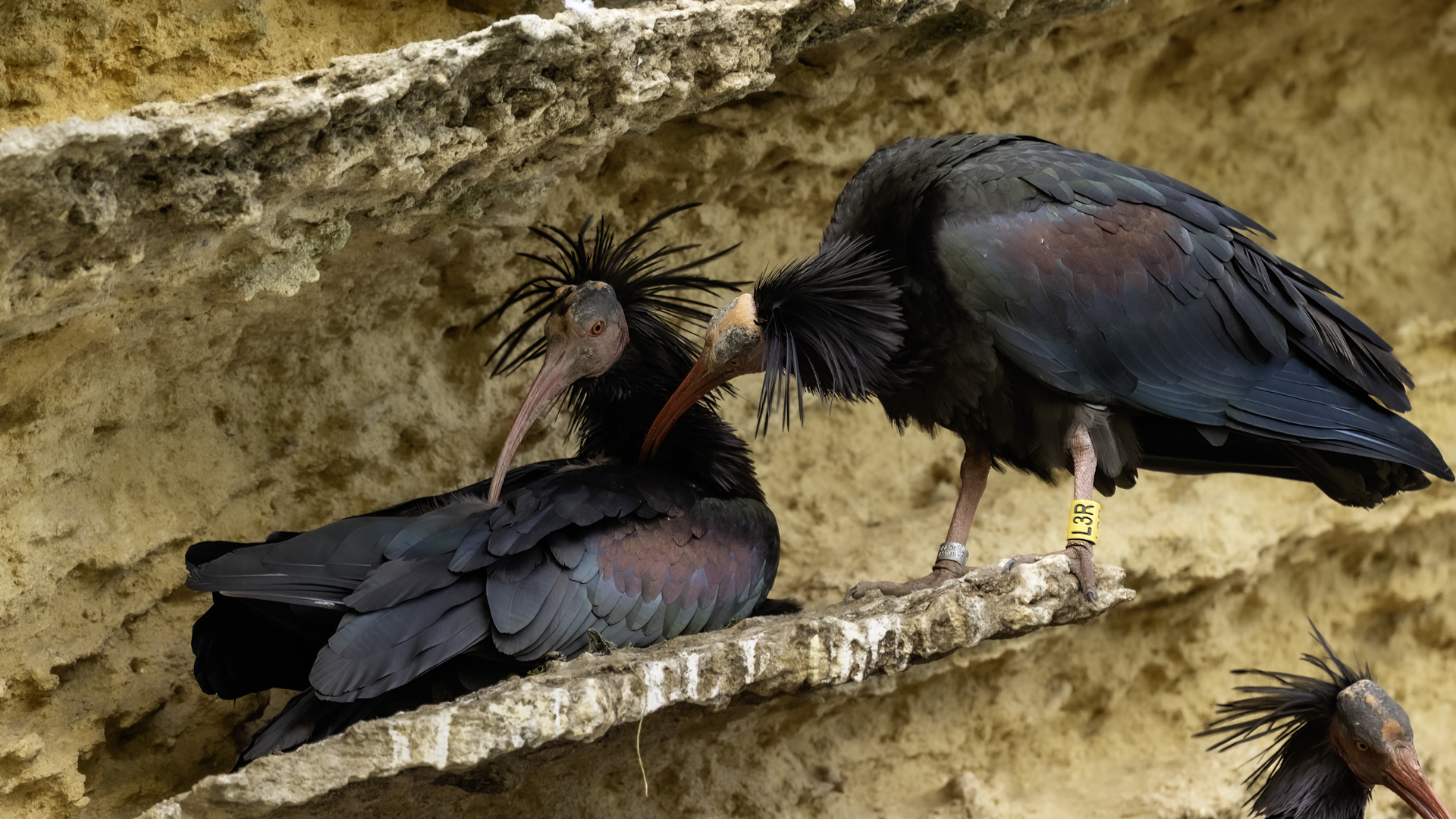
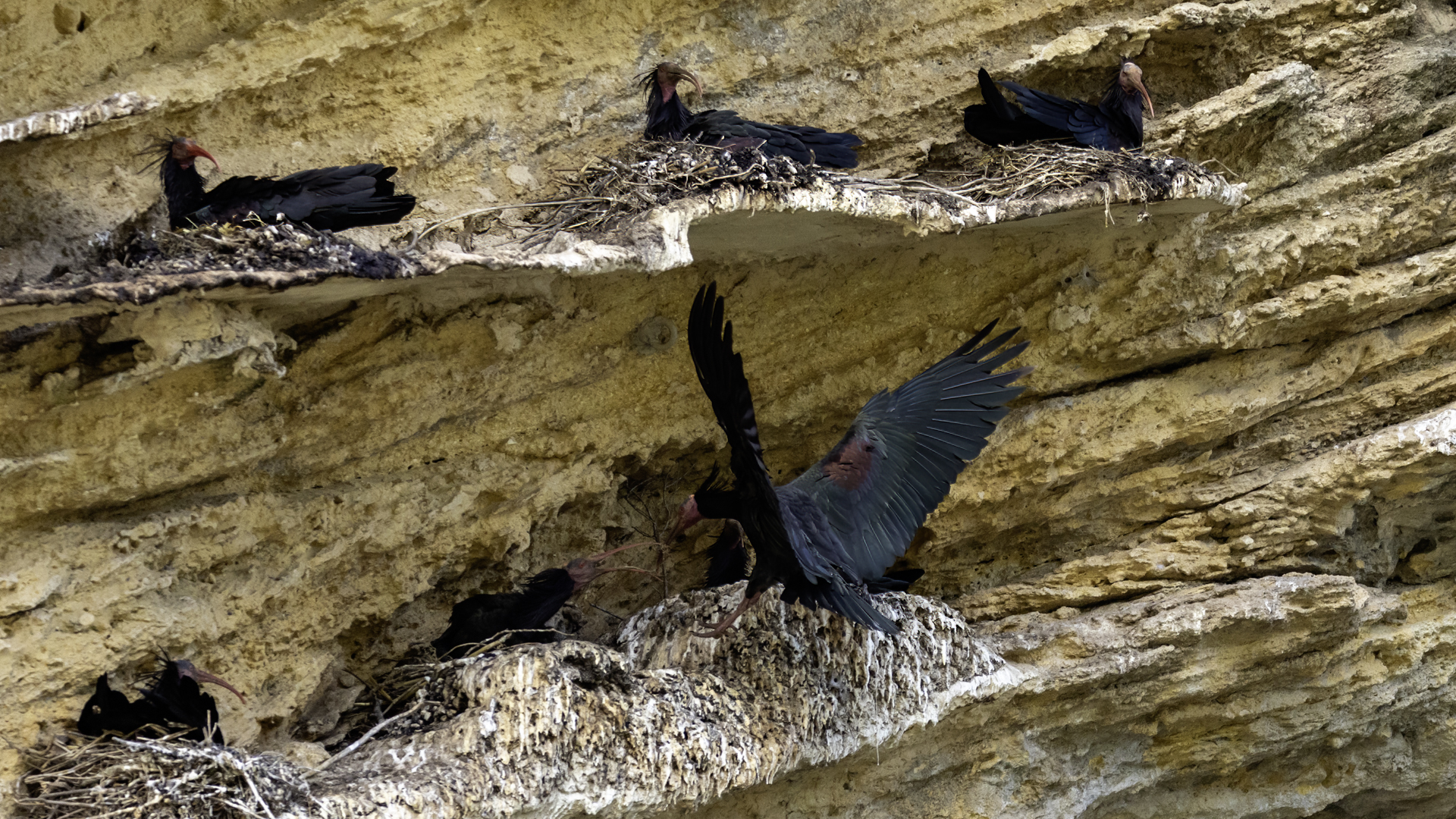
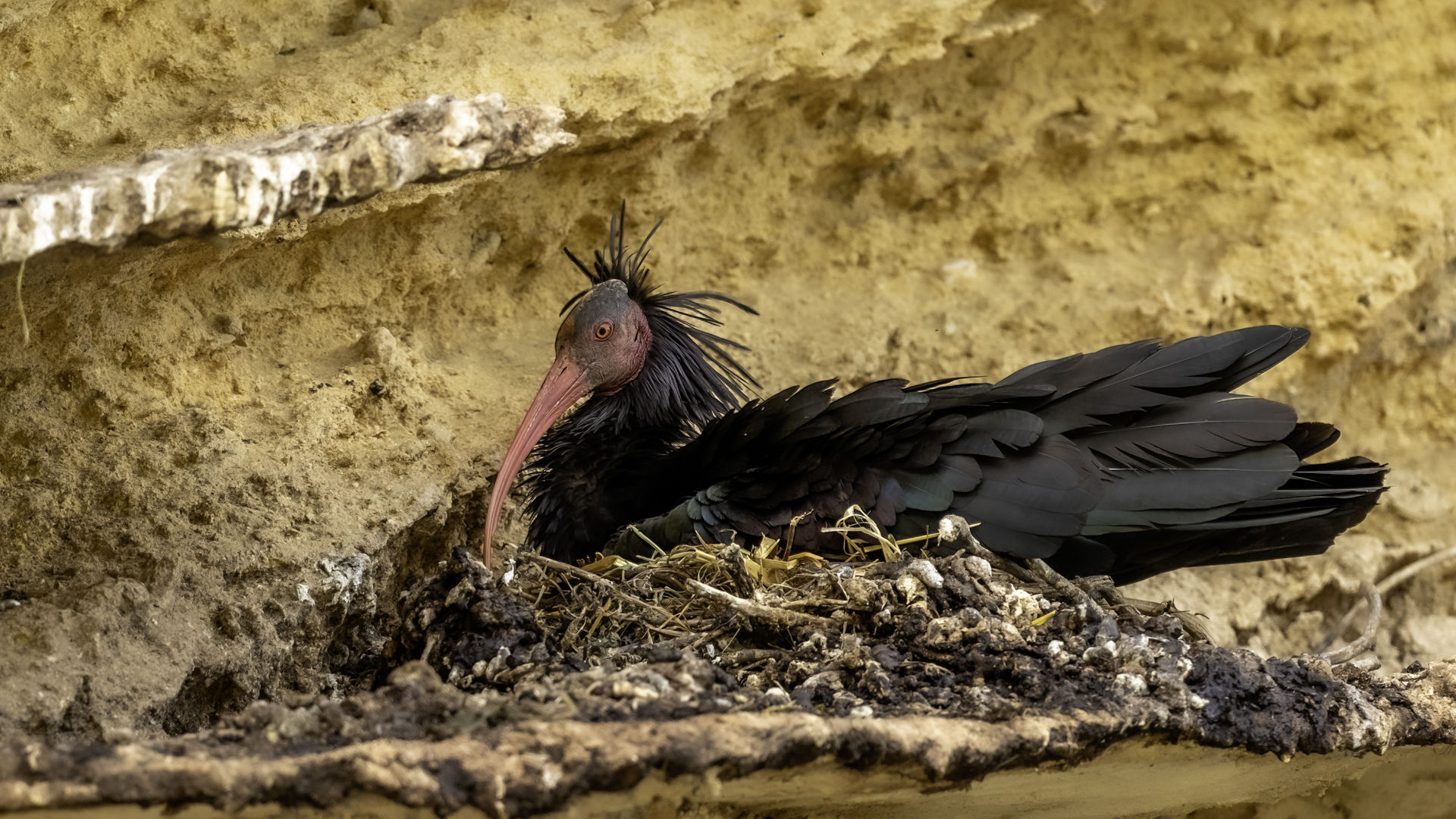
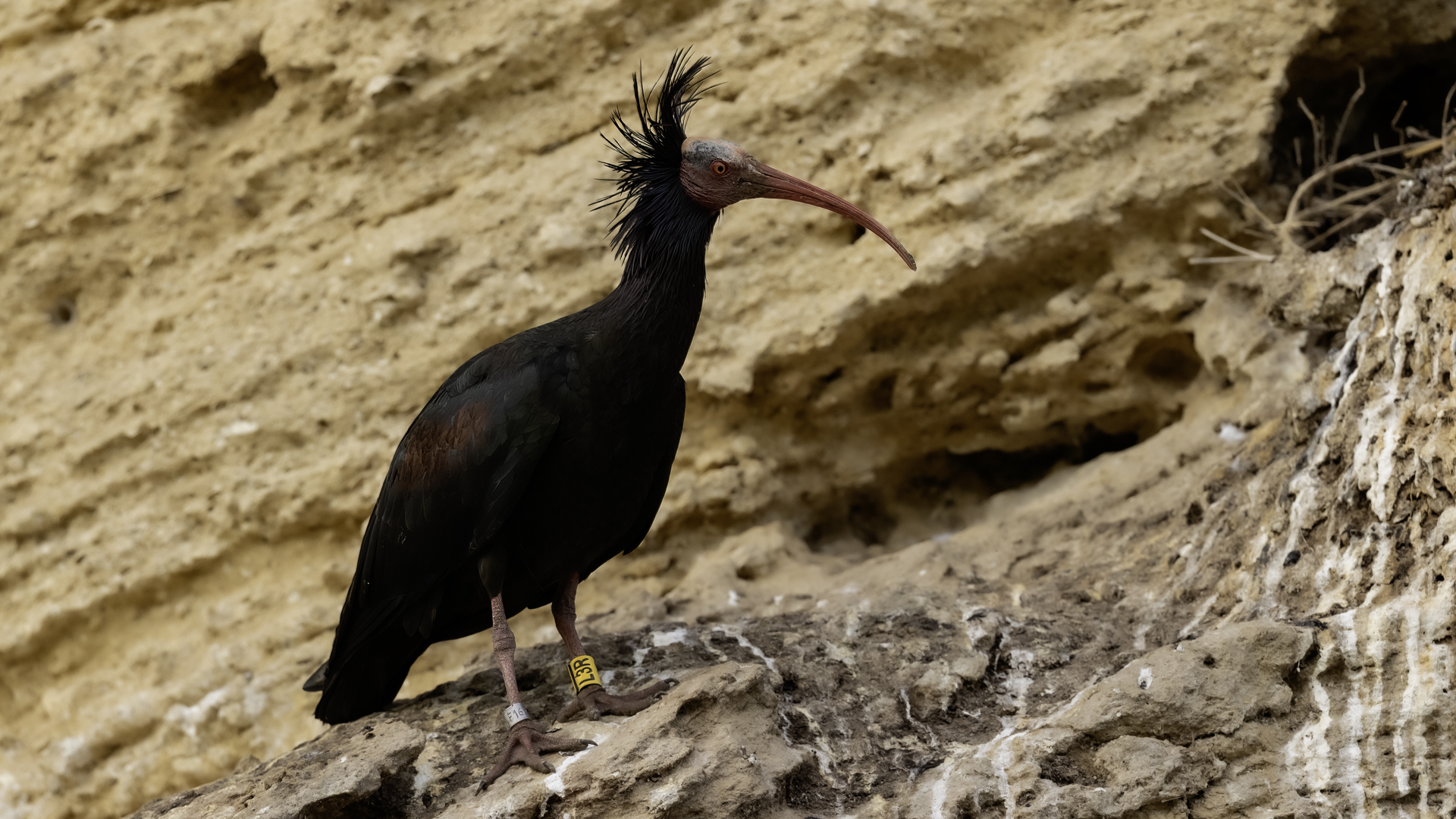
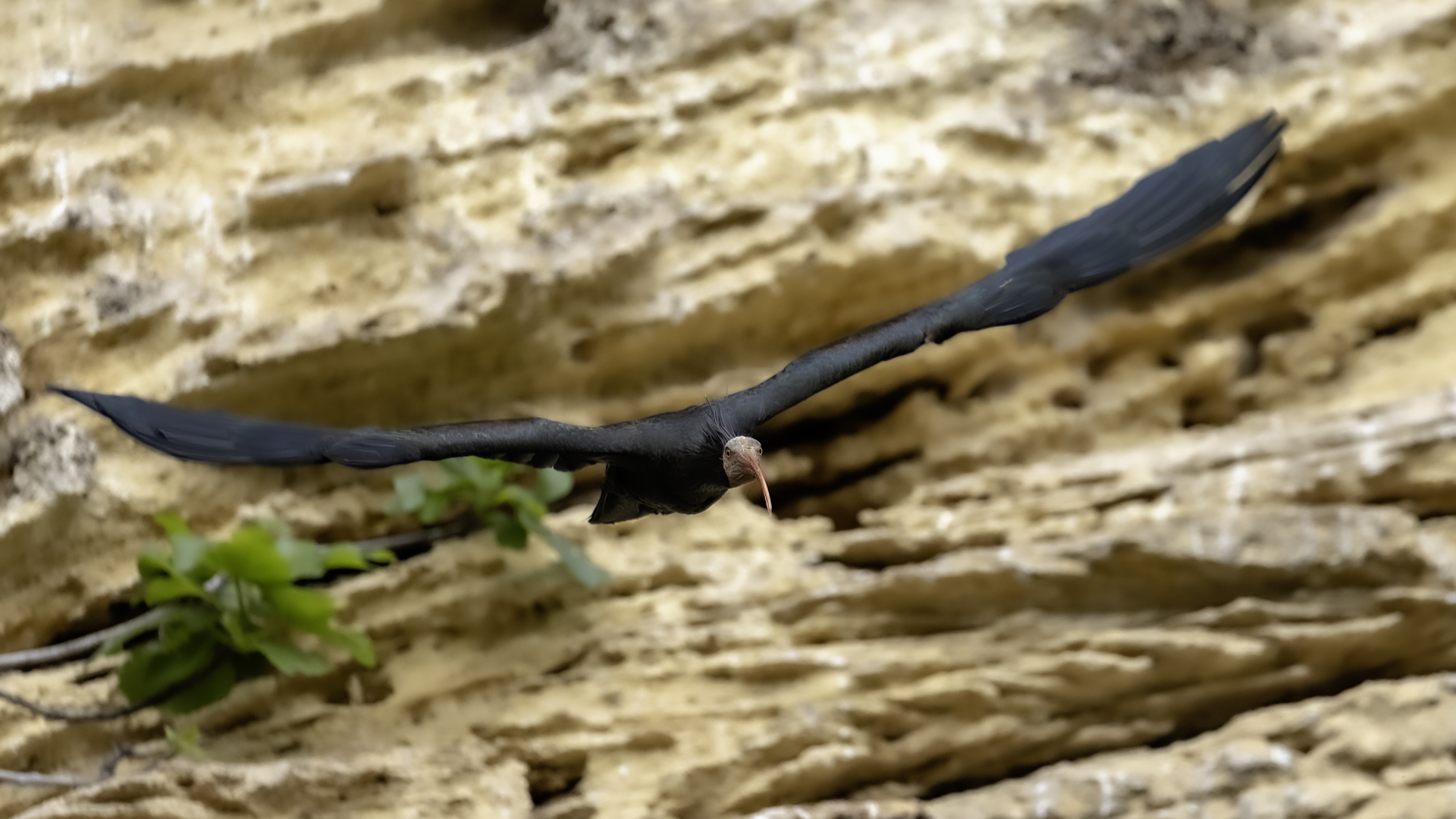
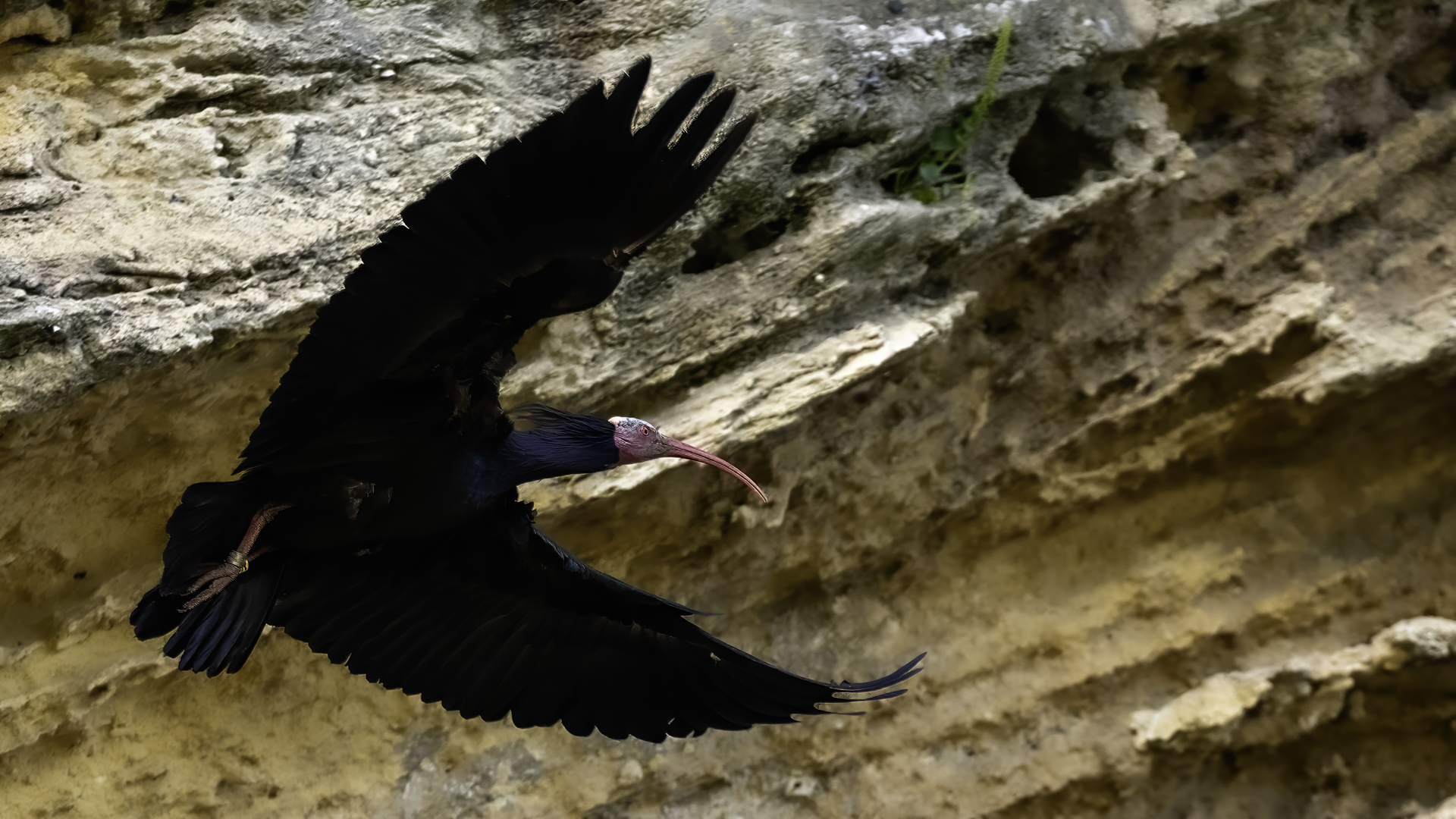
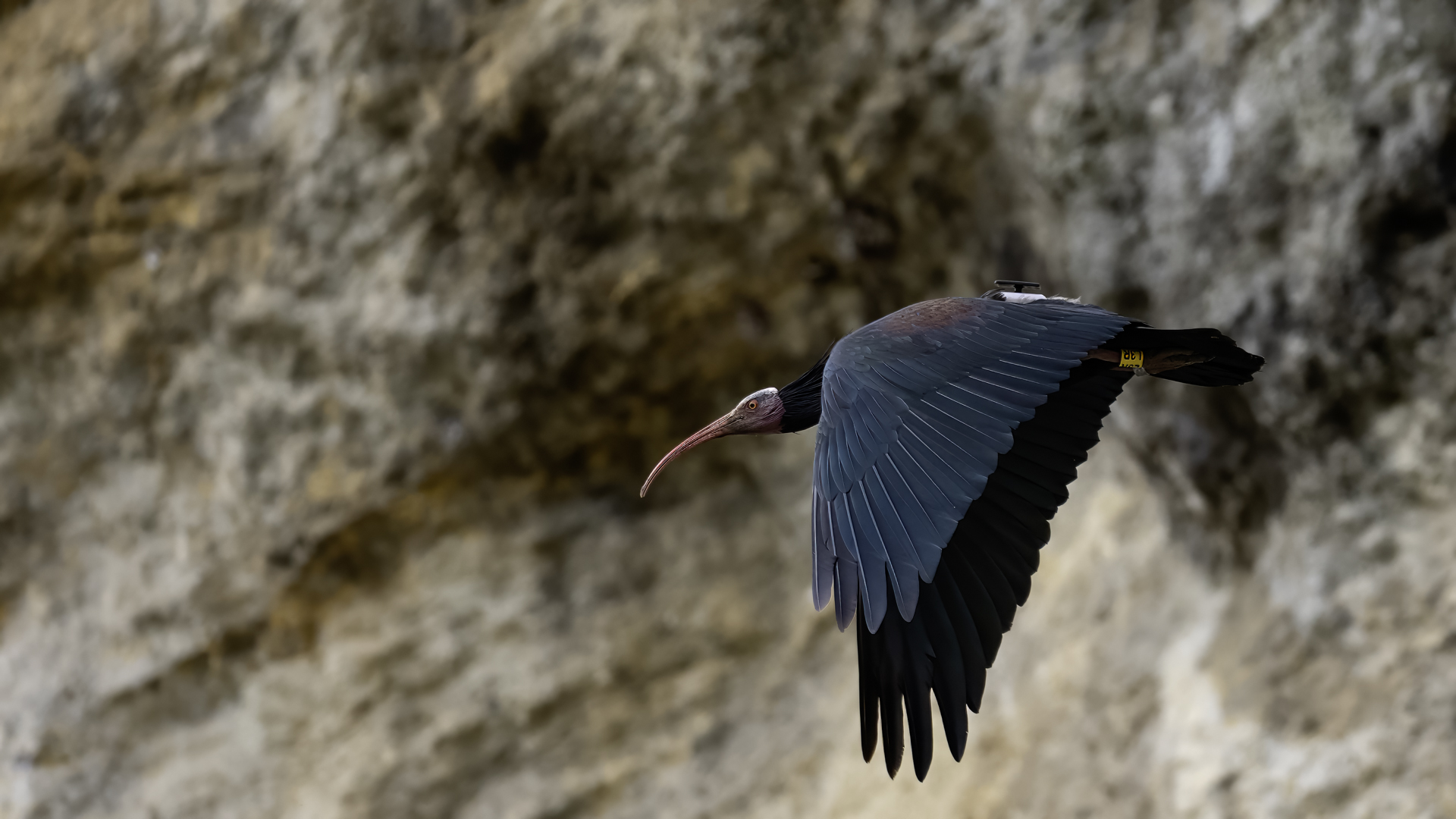
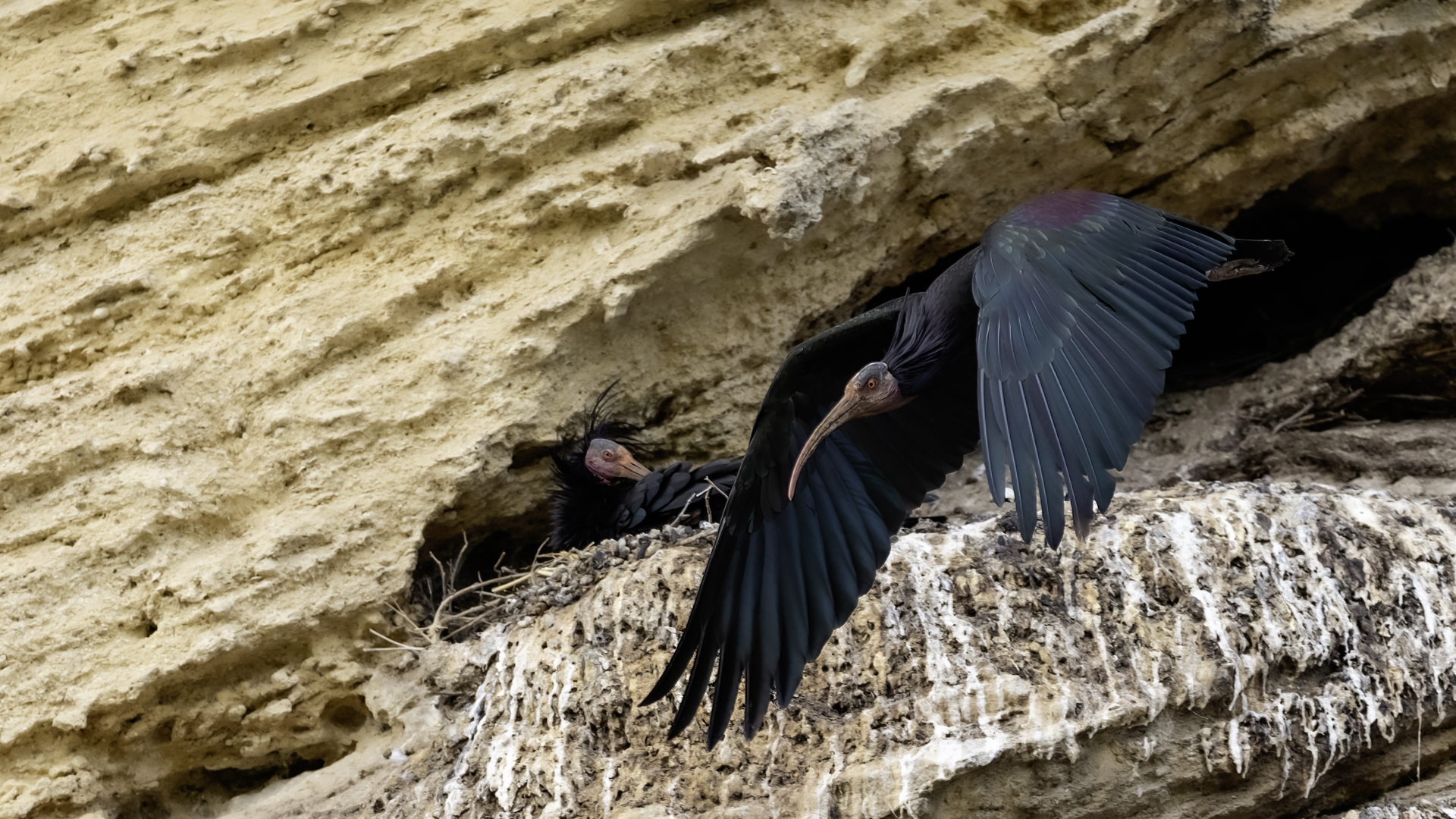
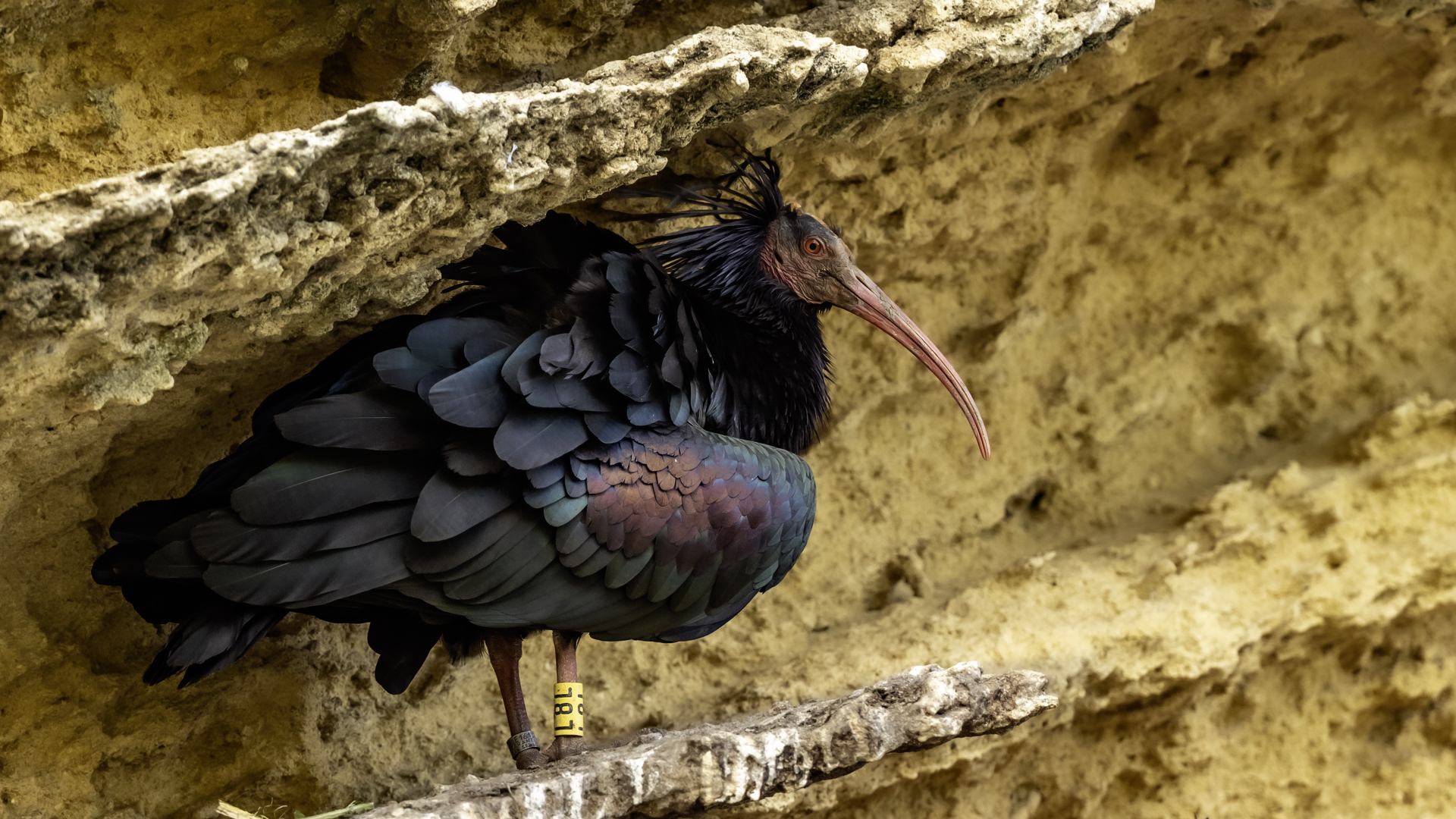
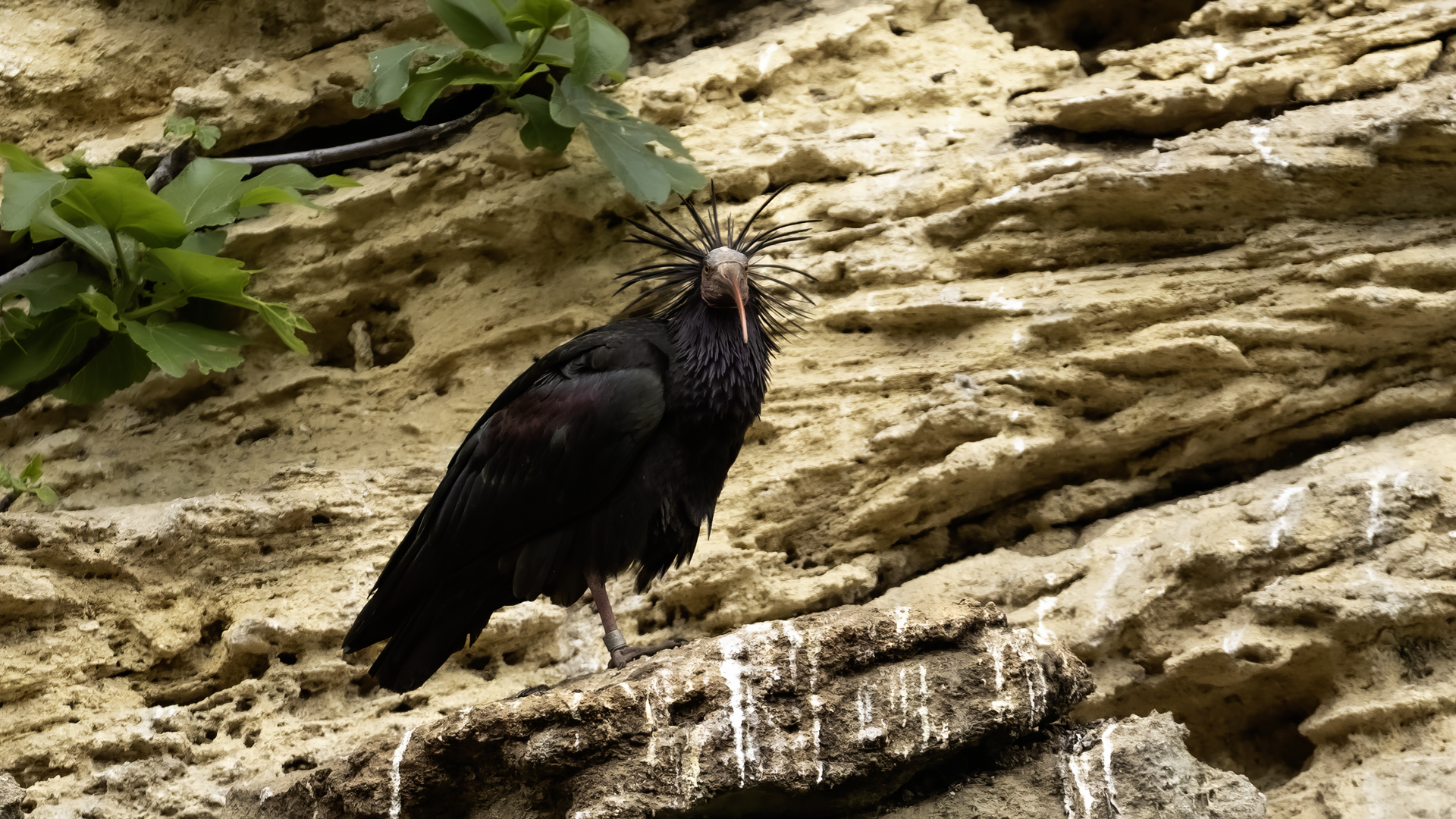
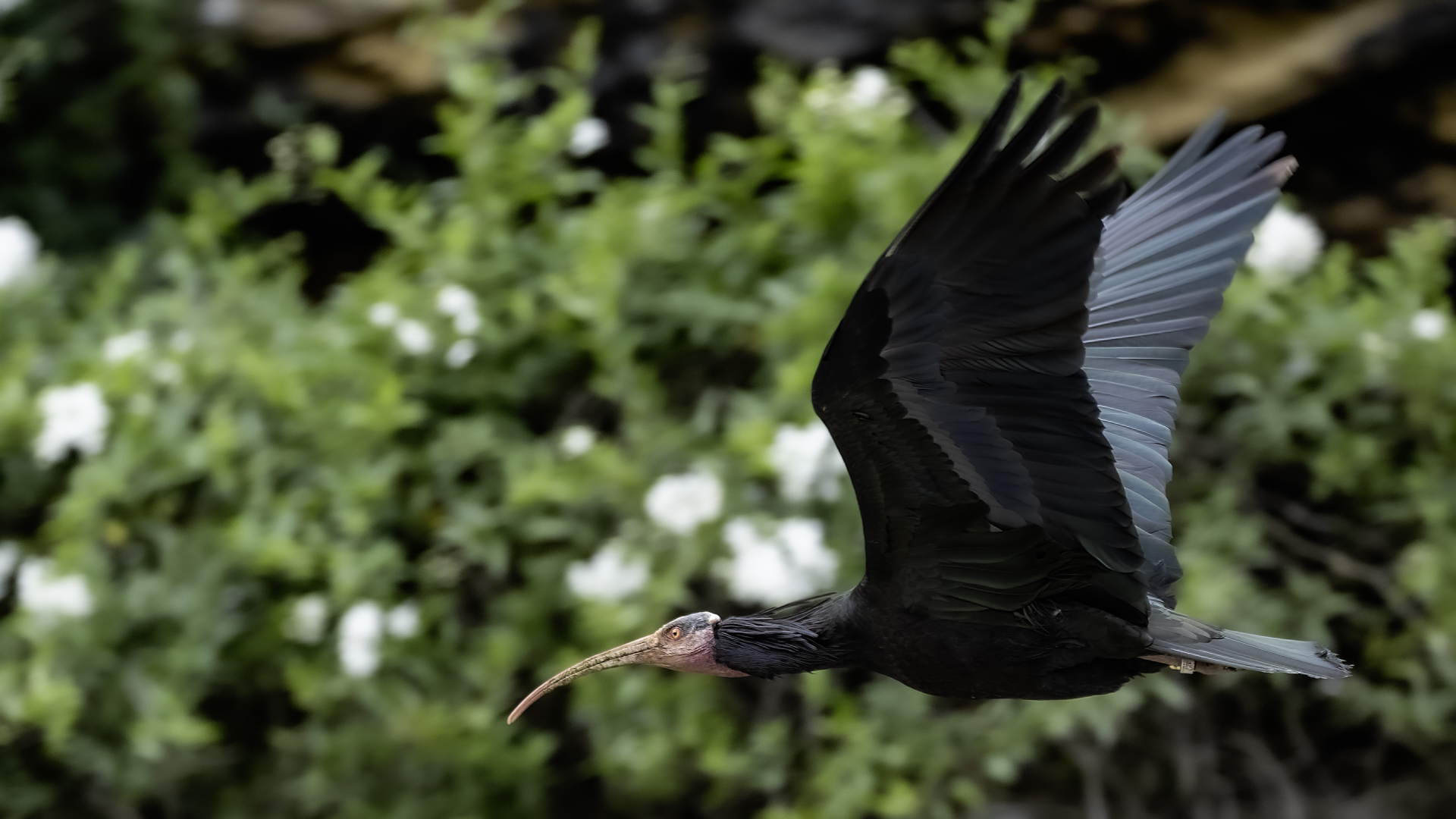
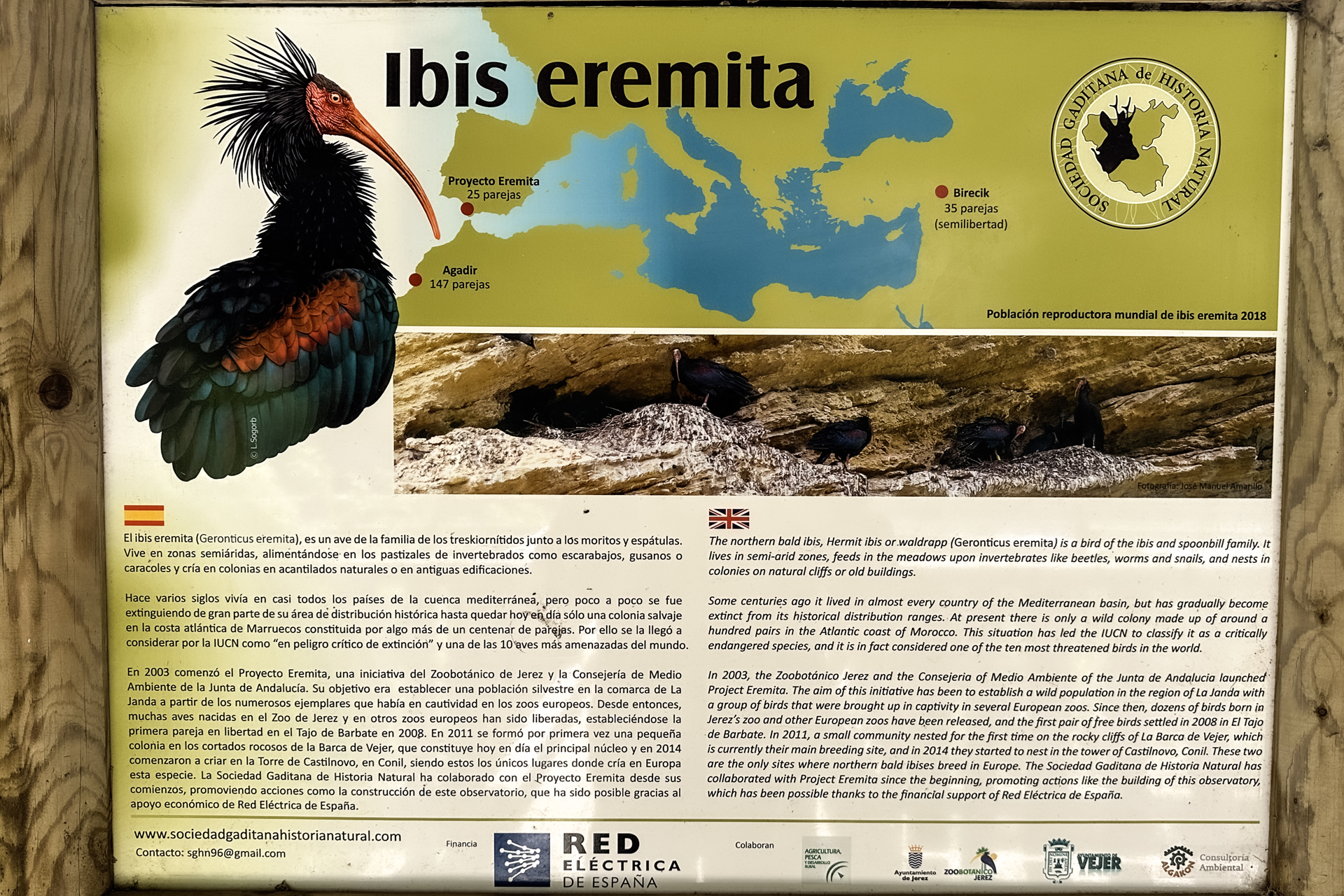
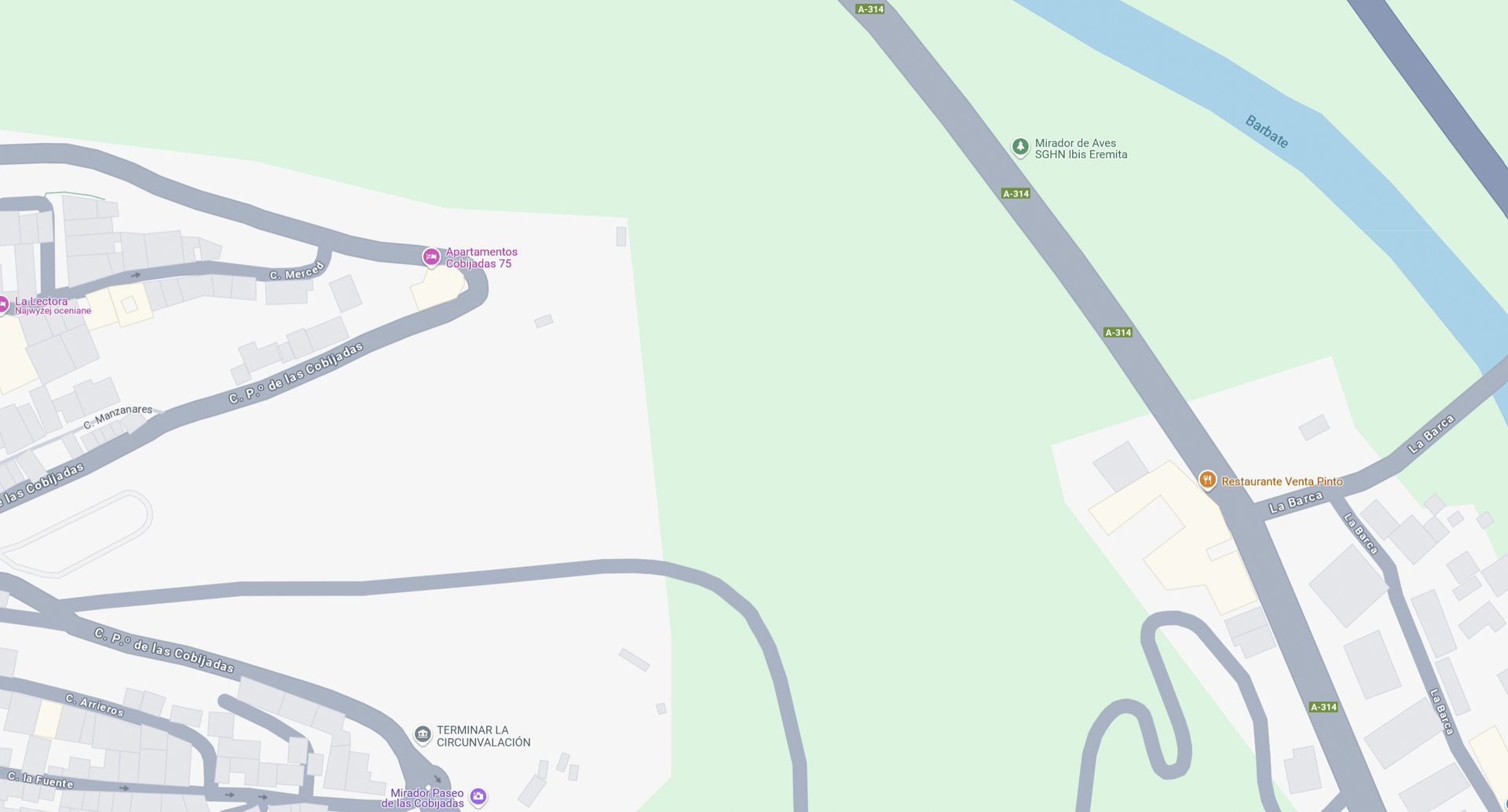
This was a rather unusual, yet another trip to Spain. The main goal was to observe birds migrating back from Africa. However, since photographing birds against the sky is not my favorite type of photography, I decided to dedicate 2.5 out of the 6.5 days I had in Spain to work with a local guide who was supposed to help me find species of particular interest. Unfortunately, this support turned out to be the least fruitful of all the guiding services I’ve used in Spain so far. Despite clearly stating from the beginning the difference between my expectations as a nature photographer and the standard approach typically offered to birdwatchers, in practice it proved to be completely ineffective. If you’re planning a similar trip and are considering hiring a local guiding company, make sure they offer dedicated hides (schelter) for specific species. If not — I’ll be blunt: it’s a waste of time and money. The high cost of such services in no way guarantees satisfying photographic results. These days, anyone can rent a car, do their own research online, and create an effective plan to visit ornithologically interesting spots. Expensive guiding services that offer no tangible results often turn out to be inefficient. I share this with you in hopes that some may avoid similar disappointment. This lack of effectiveness unfortunately affected both the number and quality of photos I managed to take. The list below is more of a record of observations than a showcase of photographic achievements — often represented by just one or two photos added to a gallery. Nevertheless, these single additions are a foundation for building complete galleries in the new photo format I’ve been using on the site for the past few months. By far the greatest success of this trip was photographing the Waldrapp or Northern Bald Ibis — an extremely rare species which, to my surprise, had established a breeding colony right next to a busy road. The birds arriving at the nests emitted distinctive calls, which I attempted to record. Only on the fifth attempt did I manage to capture a short sound sequence — during a brief break in the traffic. According to the on-site information board, there are currently only three colonies of the Waldrapp in the world: the smallest in Spain (25 pairs), one in Turkey (35 pairs), and the largest in Morocco (147 pairs). If these numbers are still current (as of April 2025), the global population of this species amounts to just 414 individuals. However, I did see some young birds in the nests within the colony I visited, so I hope the actual number is now slightly higher. The emotions I felt while observing this species were overwhelming. Having seen many documentaries about its critically endangered status and near-extinction, the fact that it can now be photographed from just a few meters away — like city pigeons — is truly thought-provoking. It shows that some species are capable of adapting to our noisy, urbanized environment. The Northern Bald Ibises are clearly managing well — and that gives hope that this upward population trend will continue.
As I do after every expedition, I’ve posted in the gallery information section a list of newly created and updated galleries featuring photos taken during this trip. This list also serves as a set of links to the respective galleries. If a species name is followed by the letter T, it means the gallery includes a text about the species; the letter G indicates that an audio recording of the bird’s call is also available. To quickly browse all bird galleries created or updated after this Spanish trip, simply use the site’s search engine and, in the “Keywords” tab on the right, look for the keyword: Spain-birds. Do keep in mind that this collection includes material from several earlier photographic trips to Spain as well.
 pl
pl
 en
en