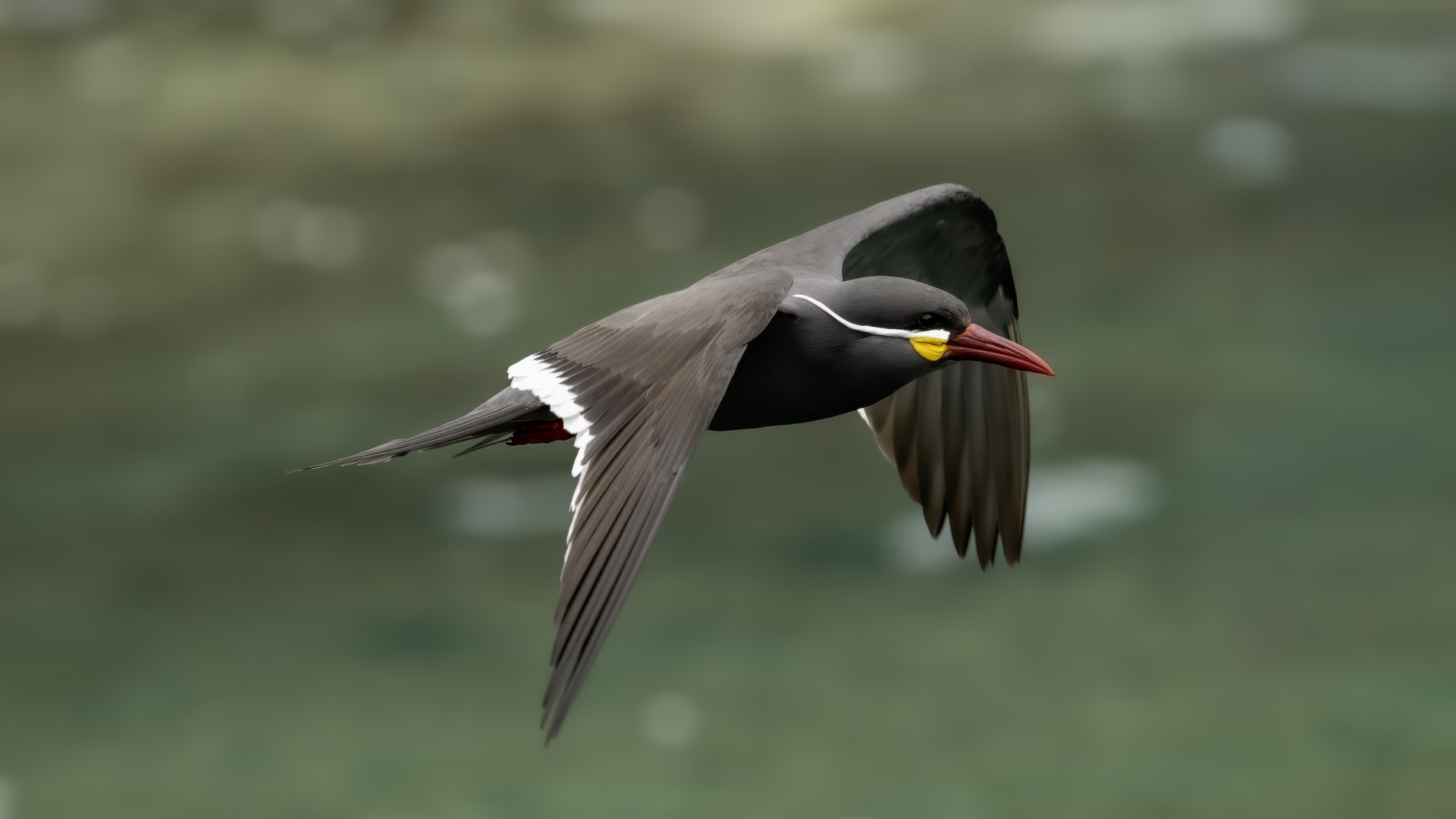
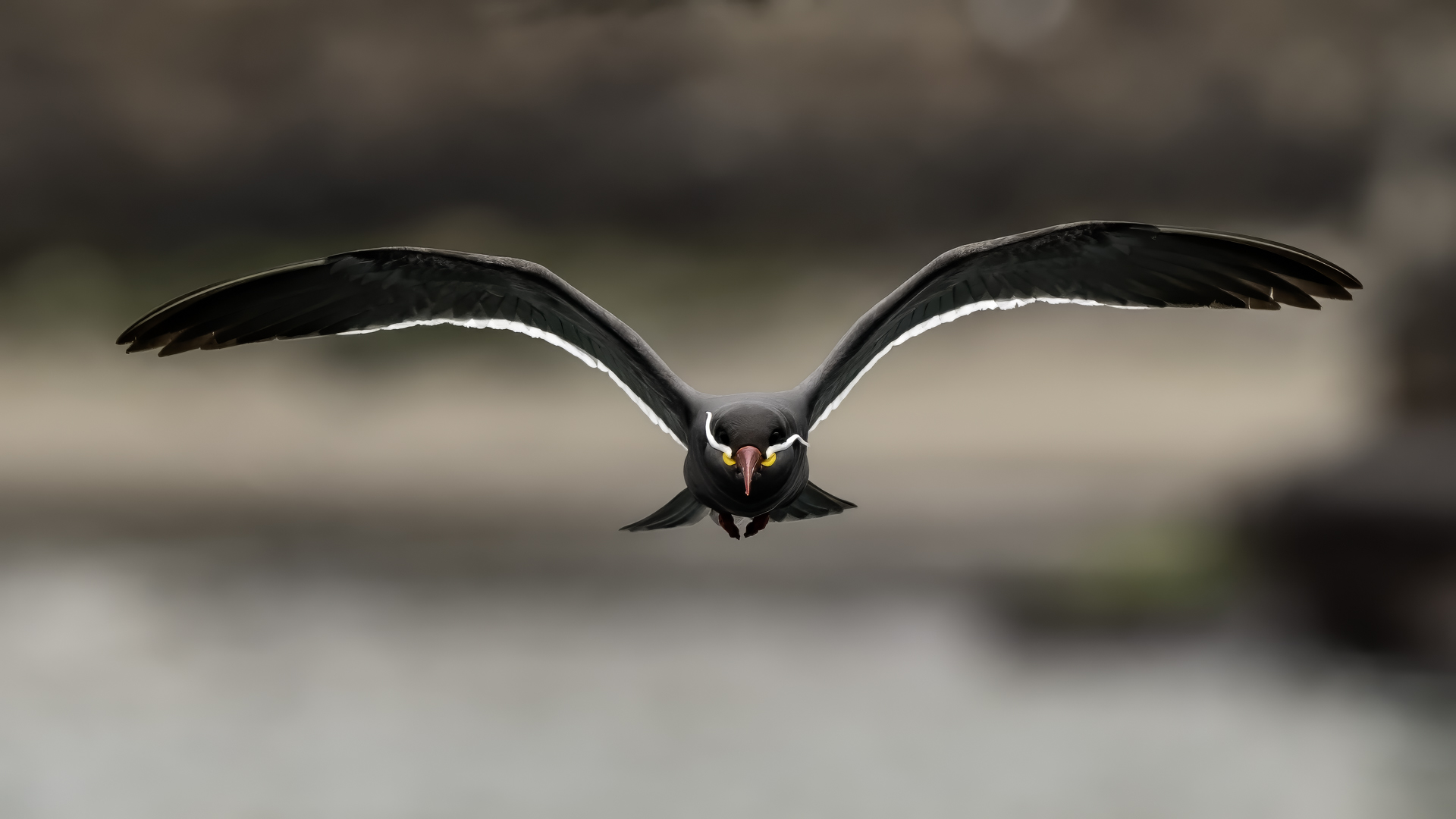
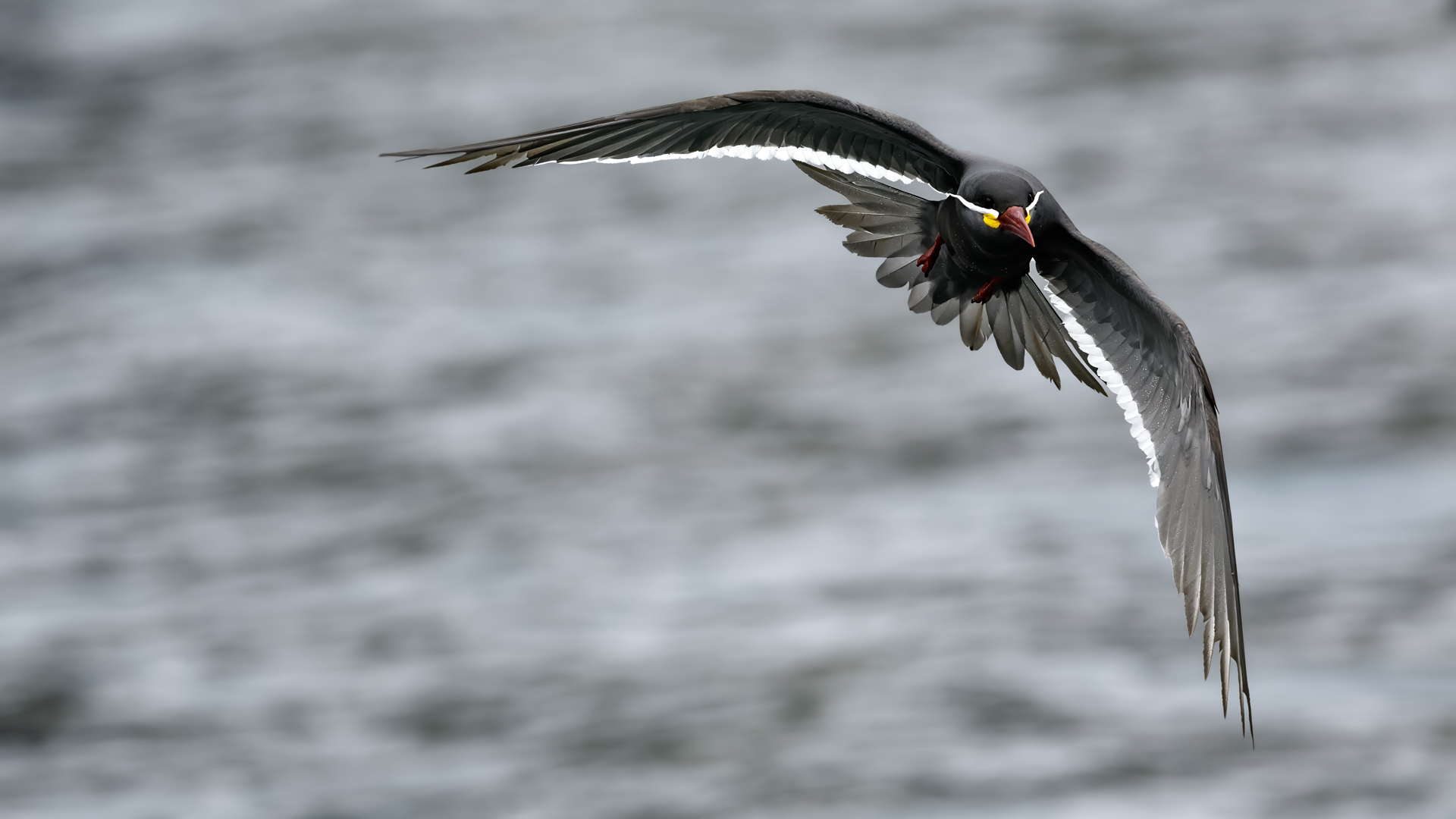
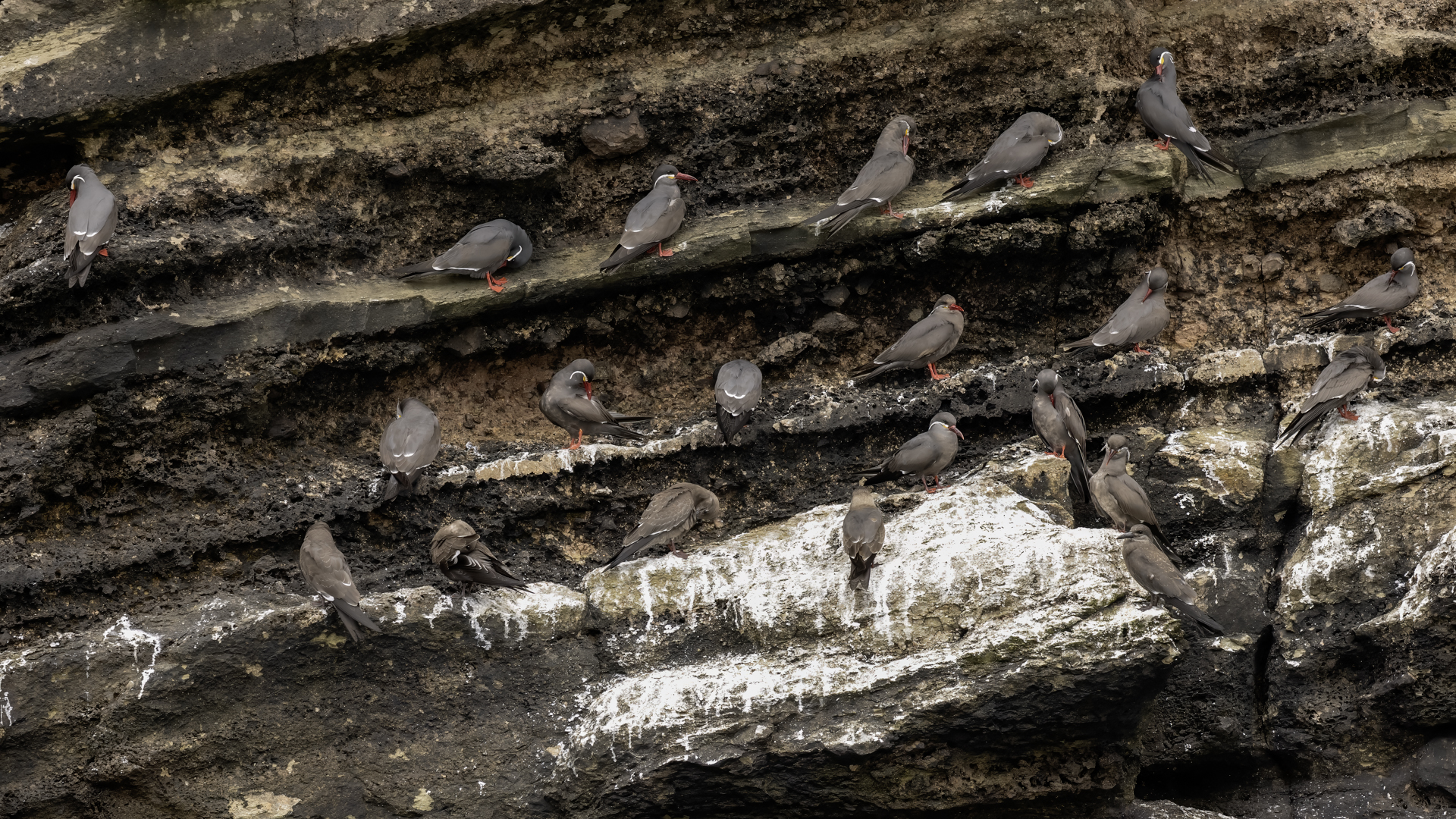
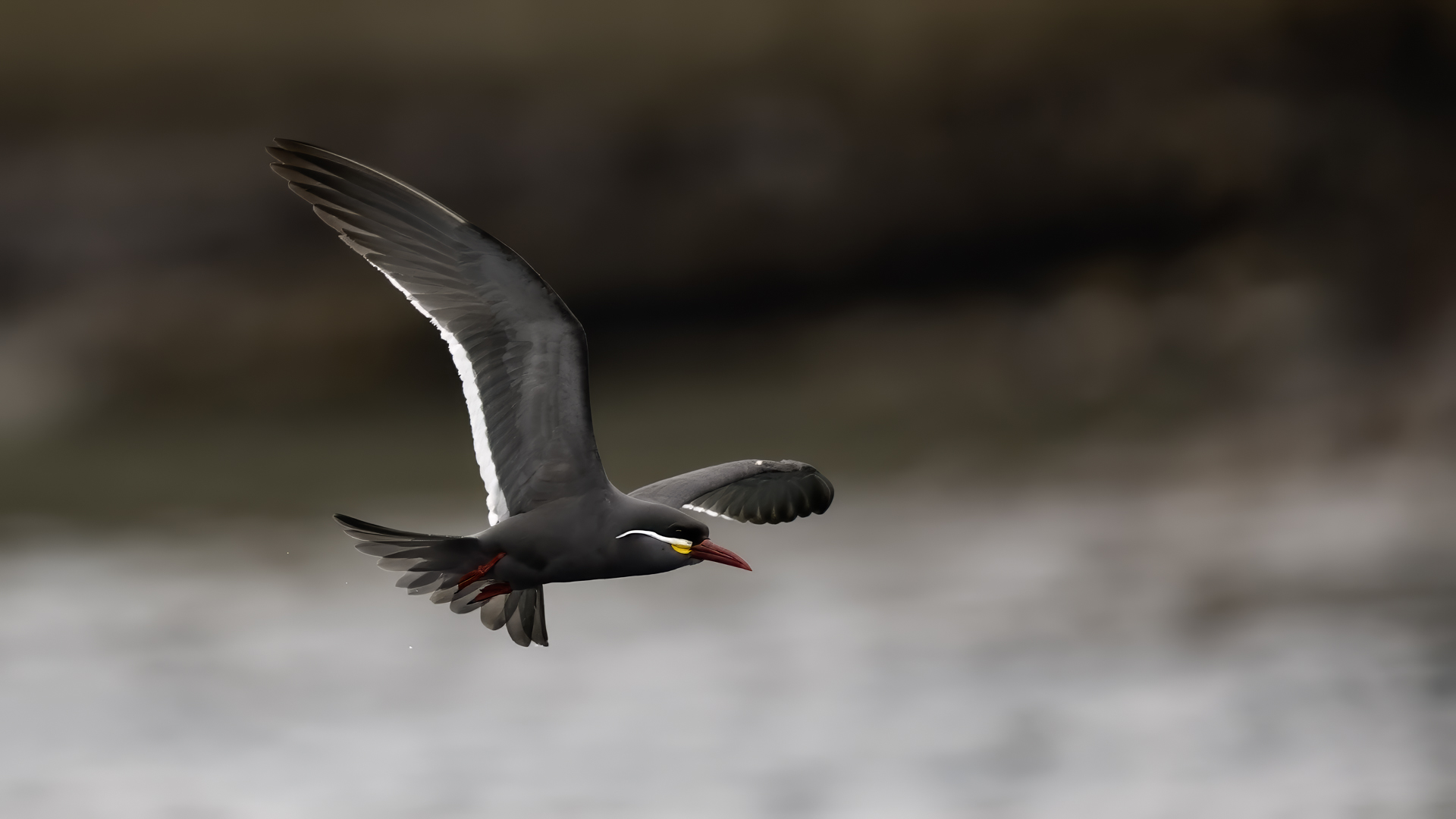
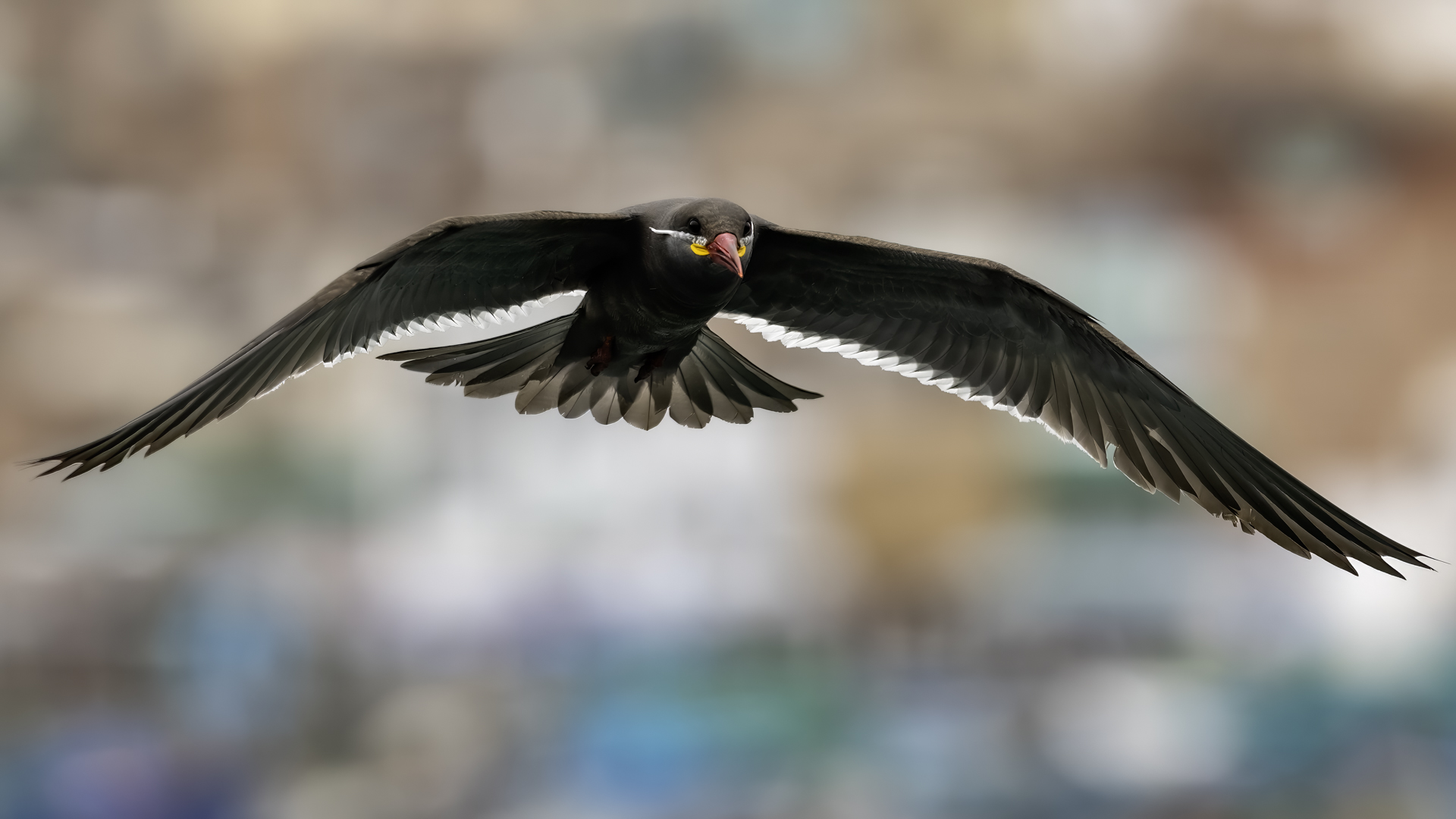
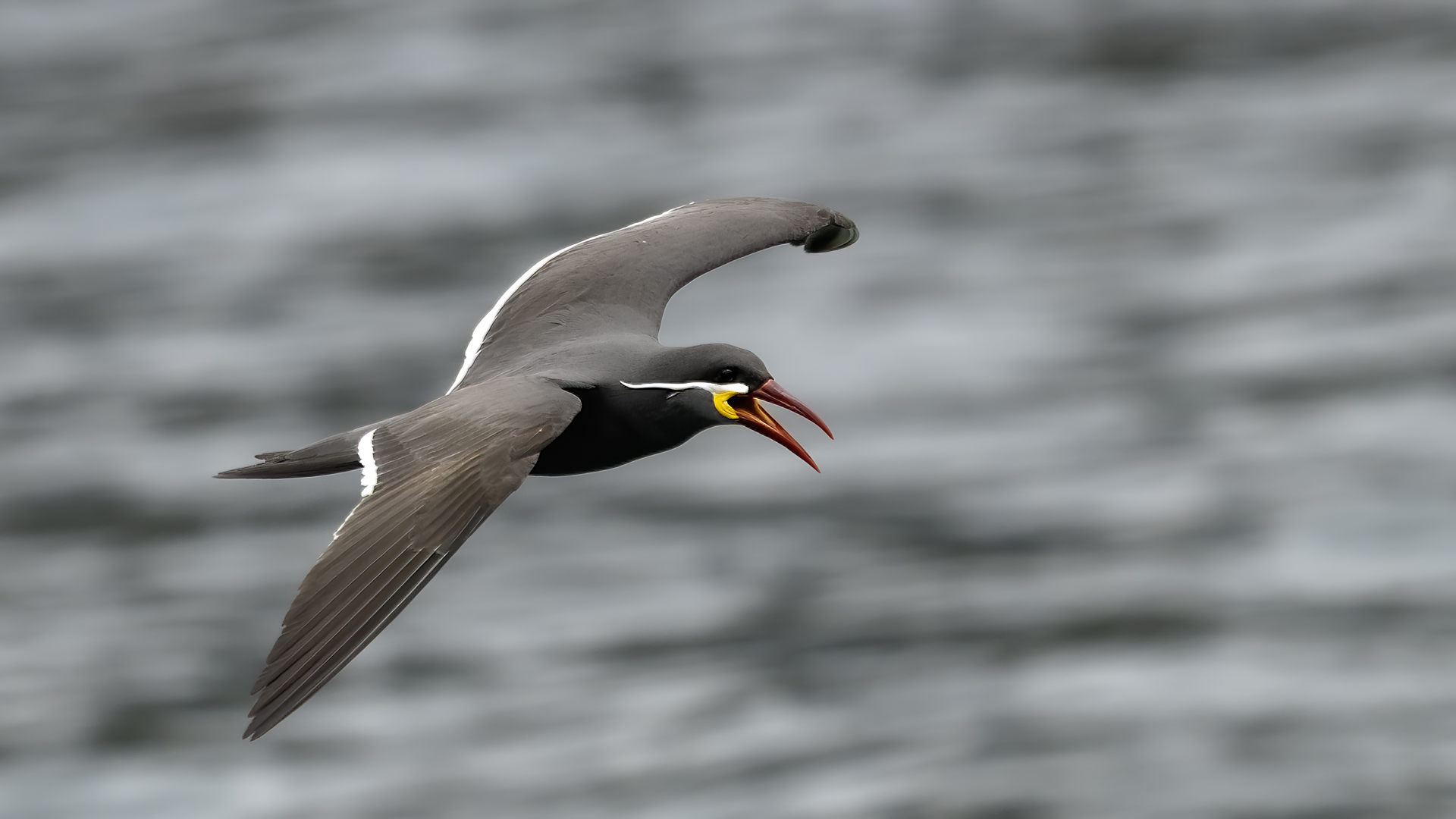
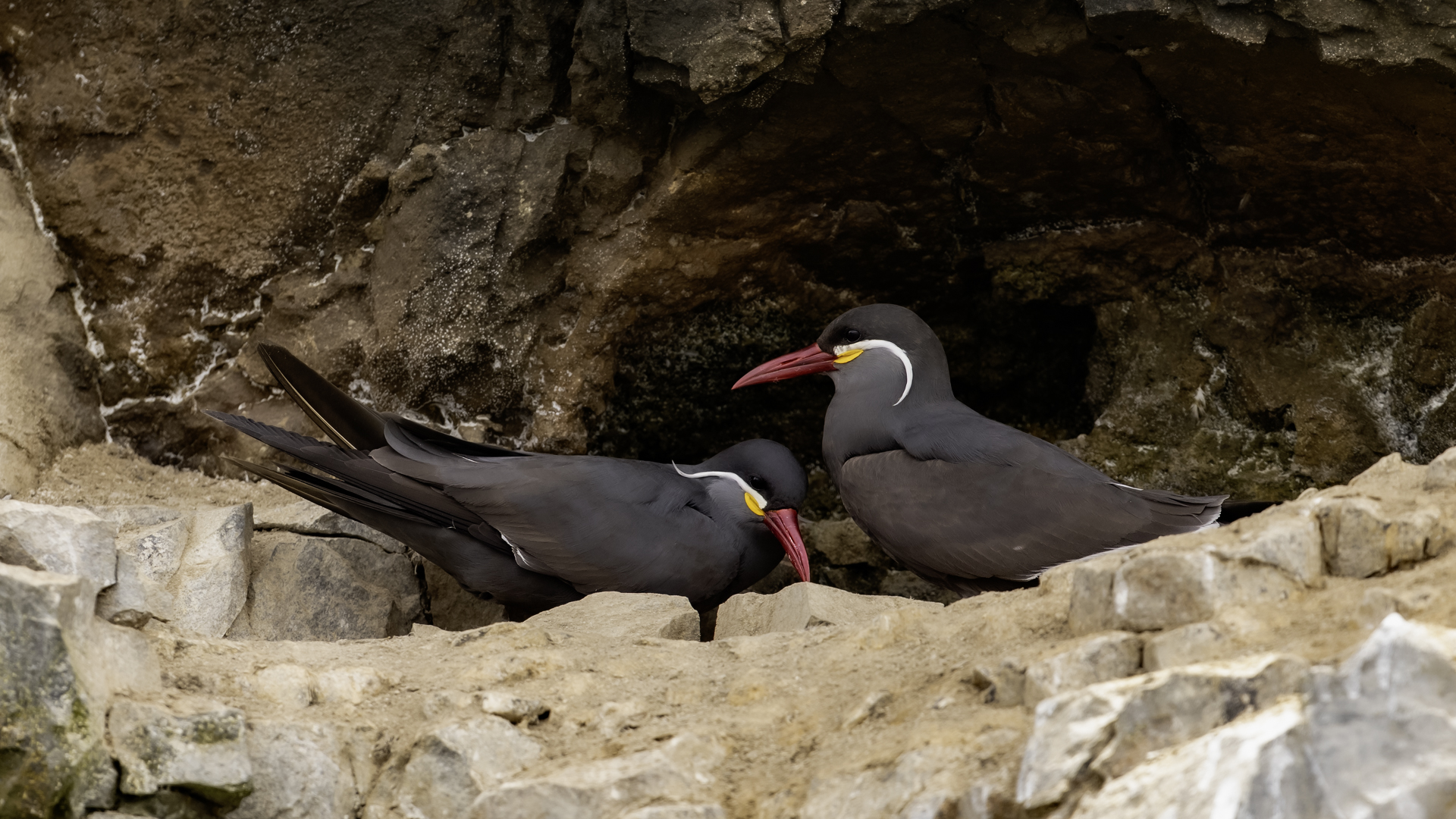
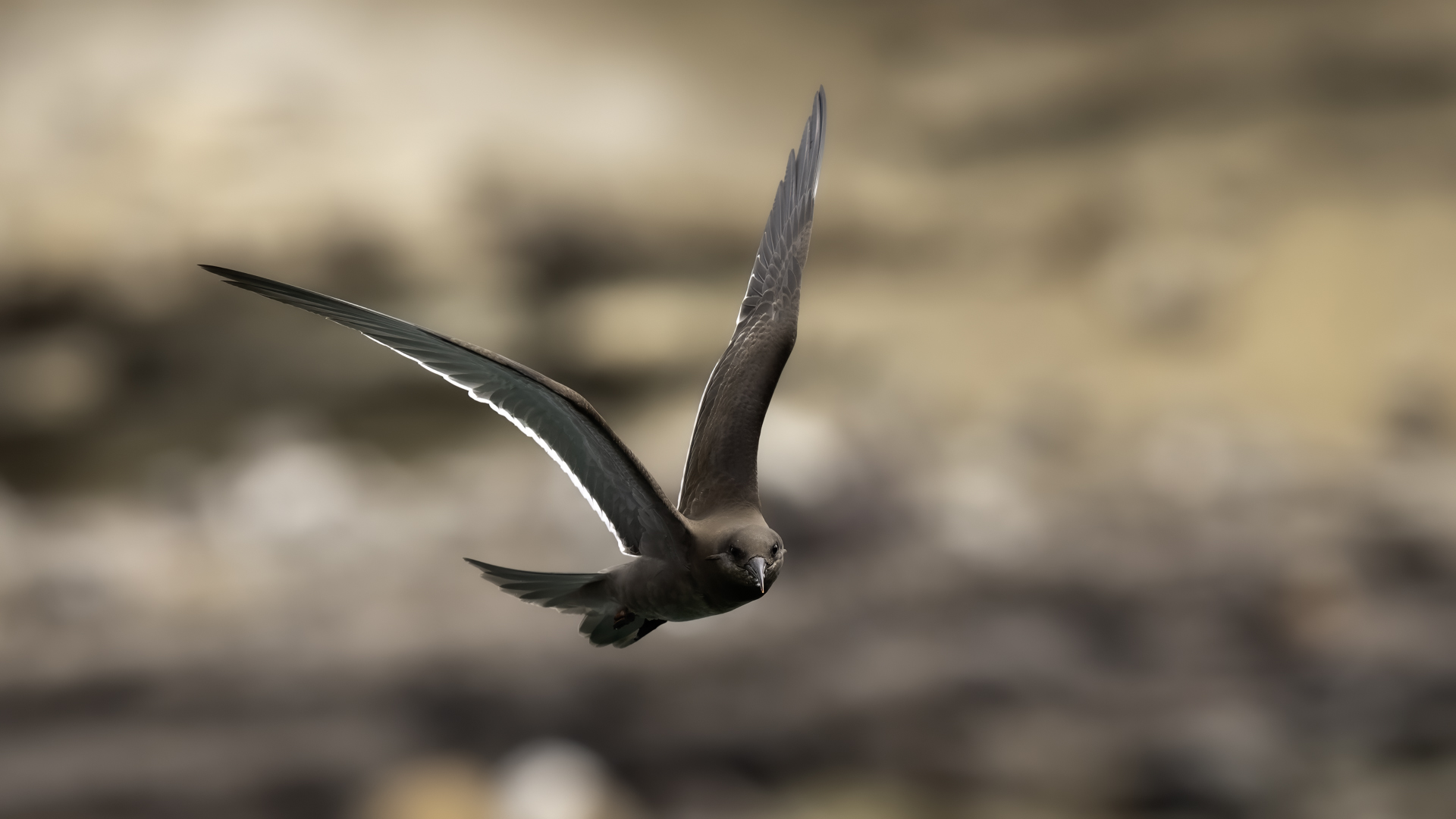
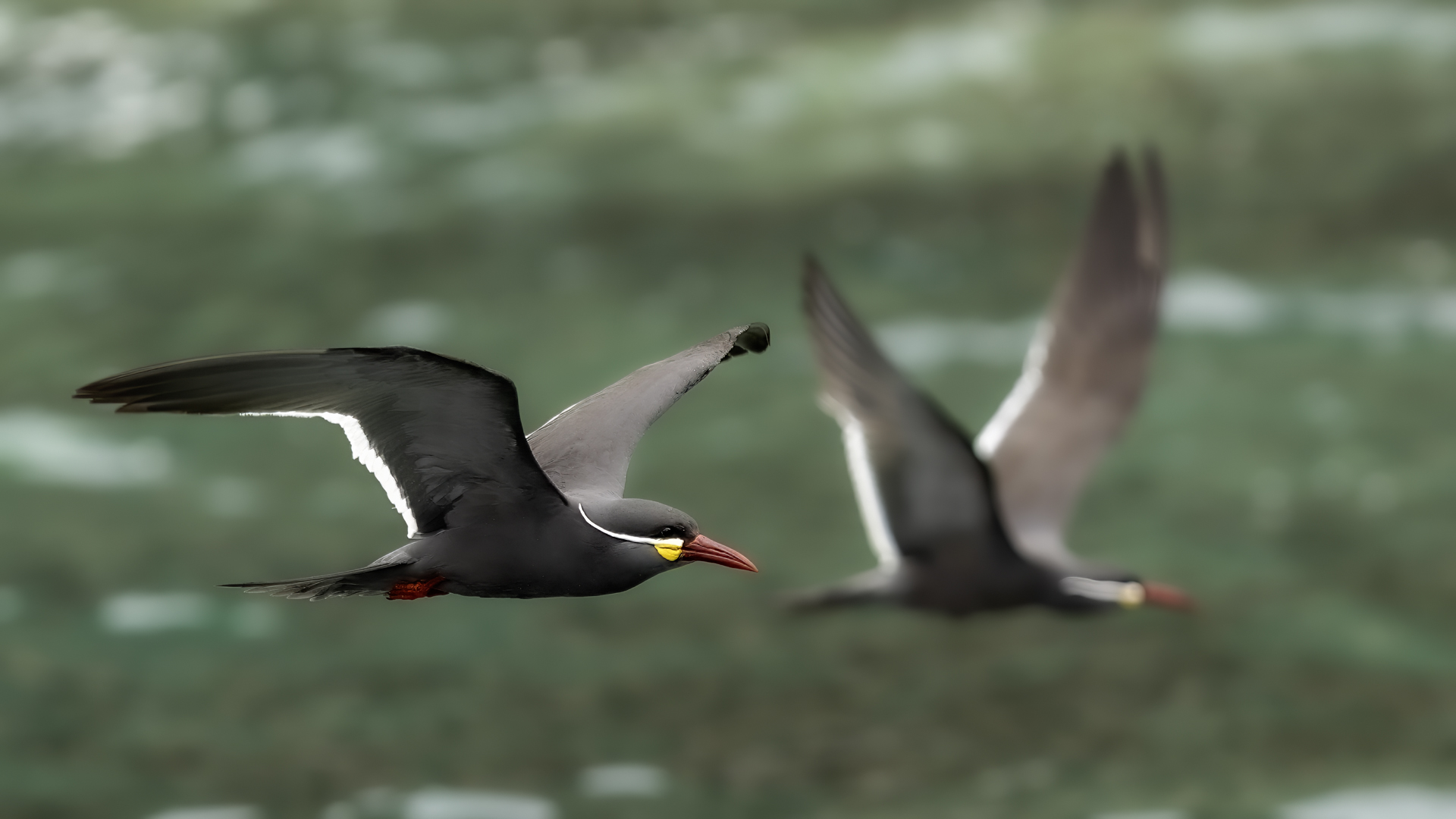
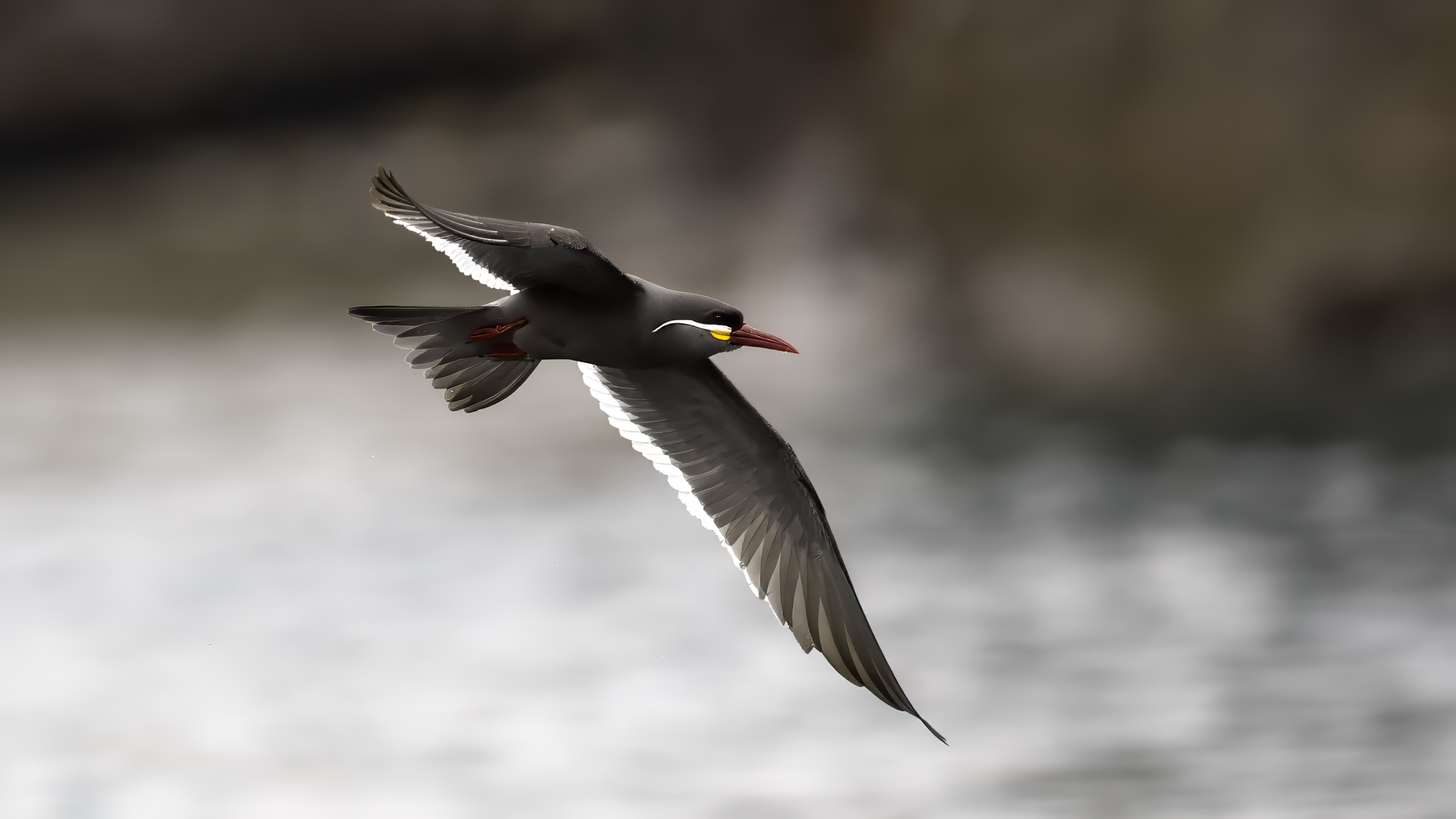
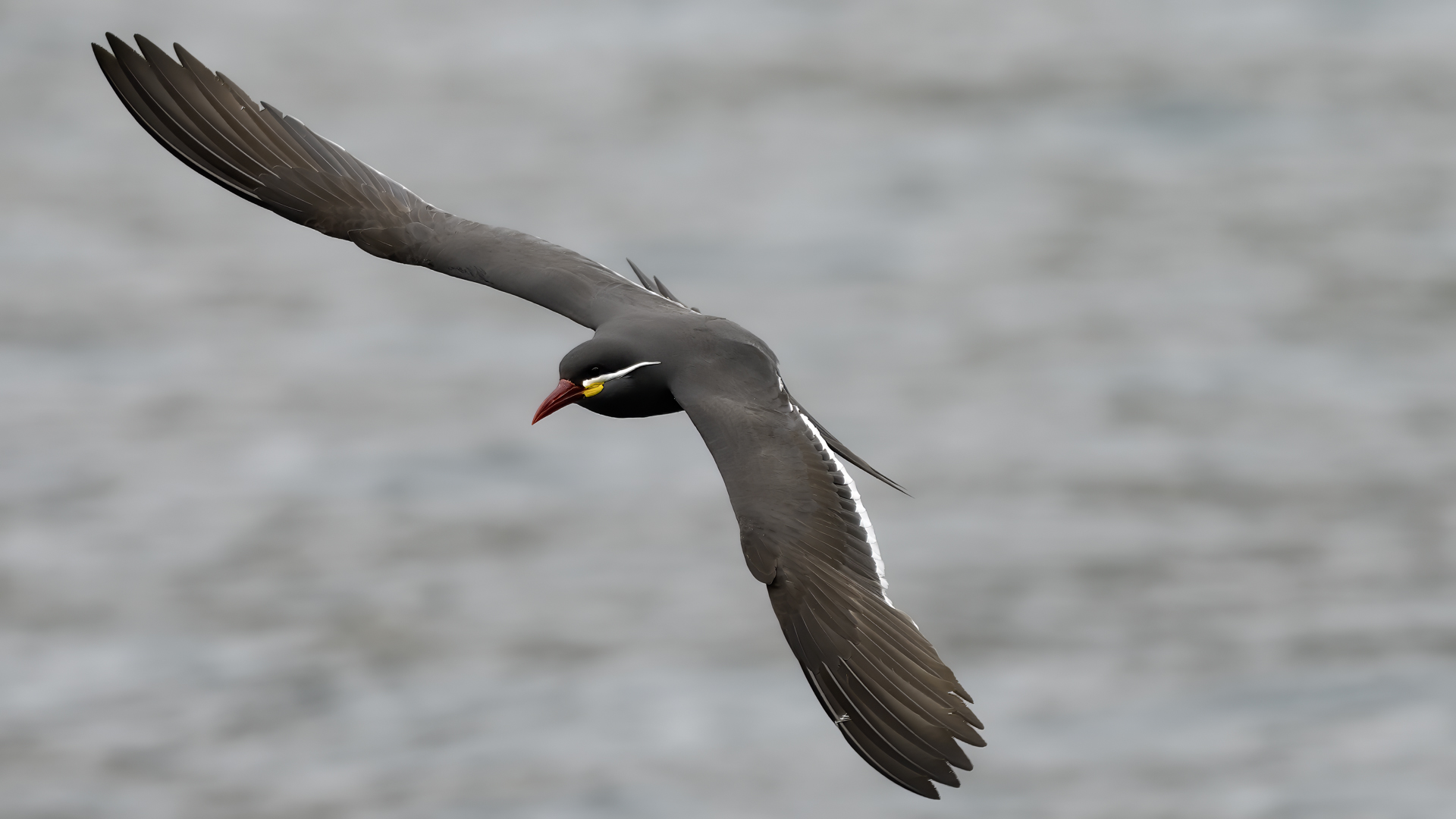
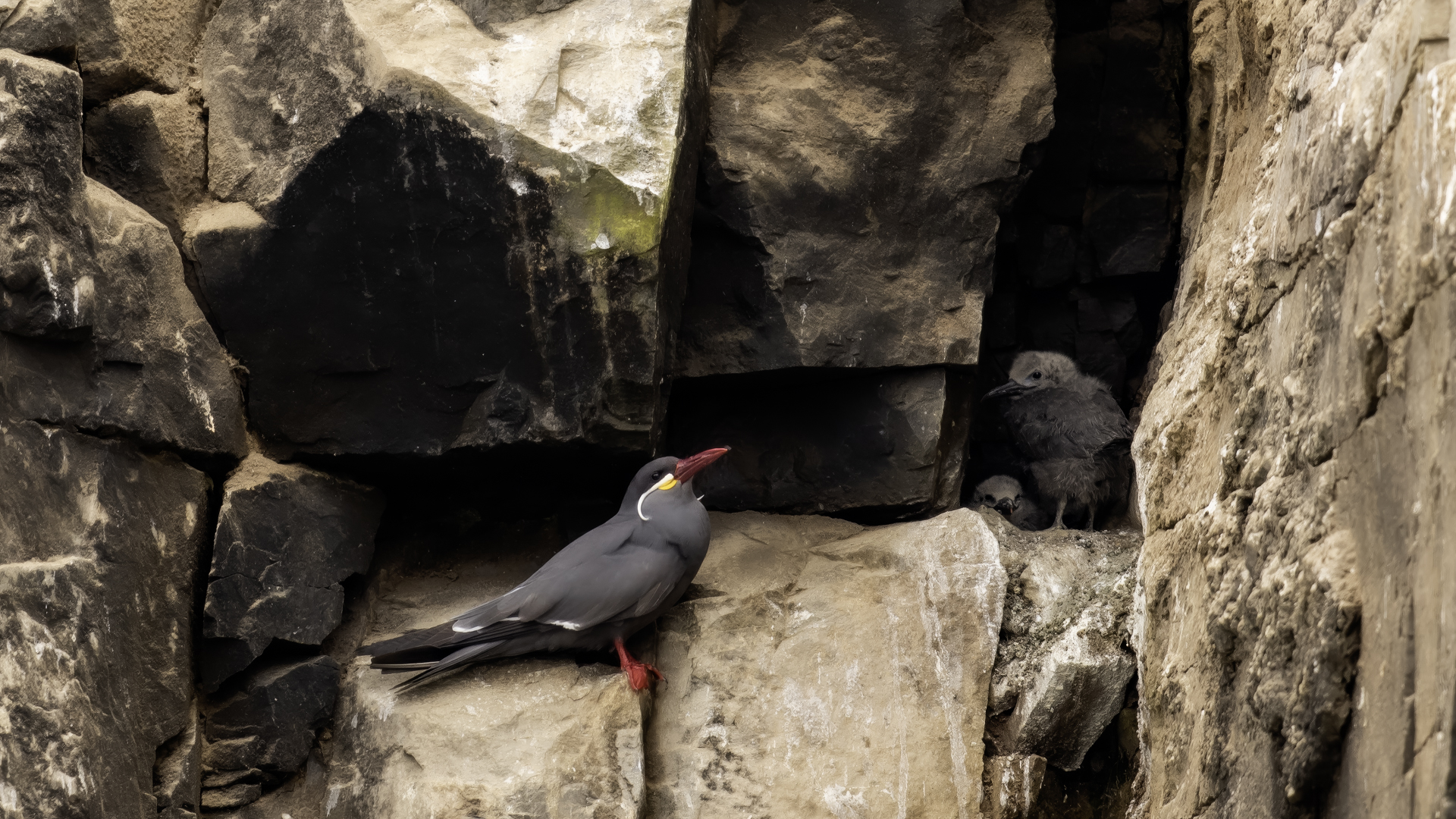
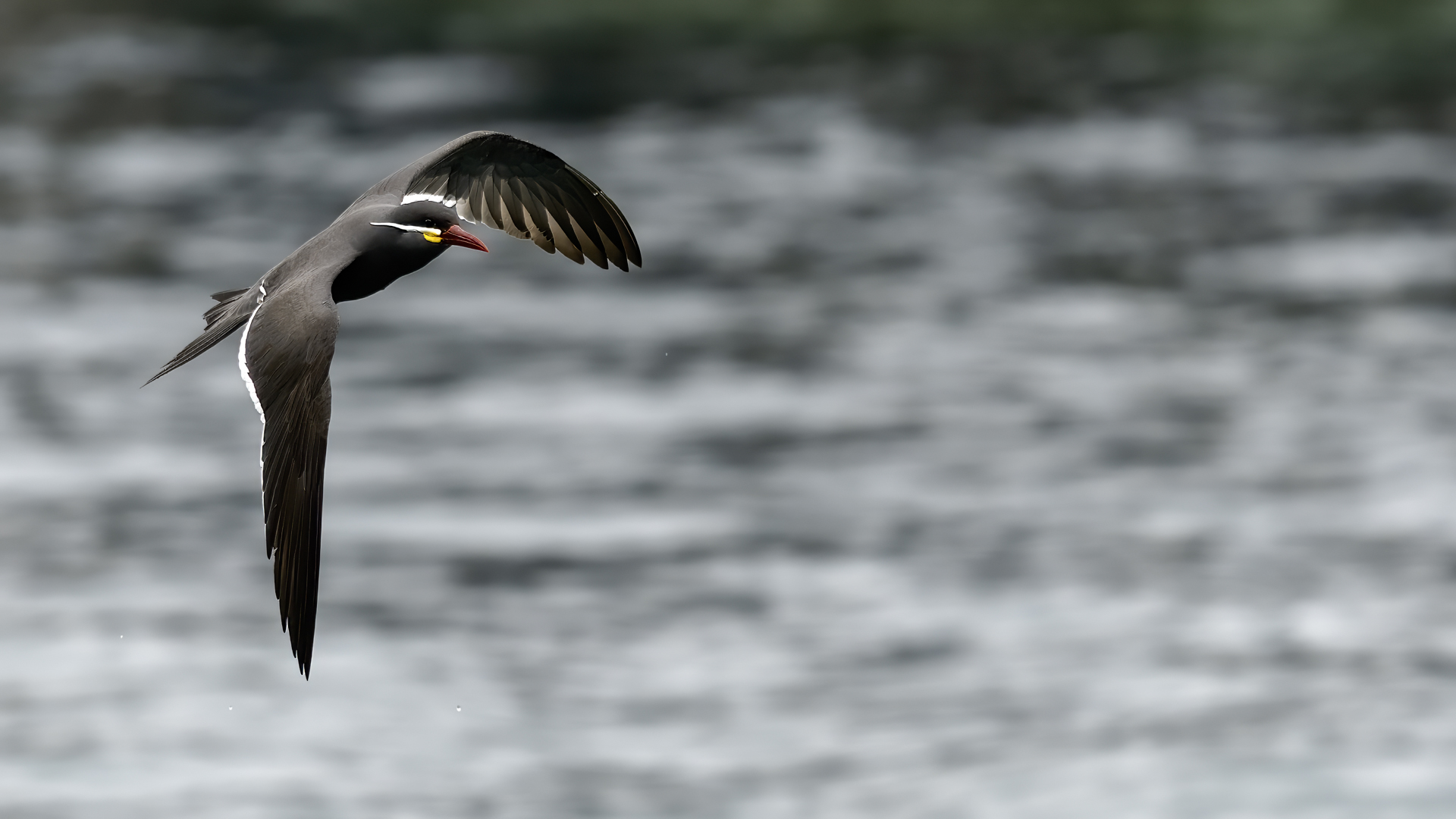
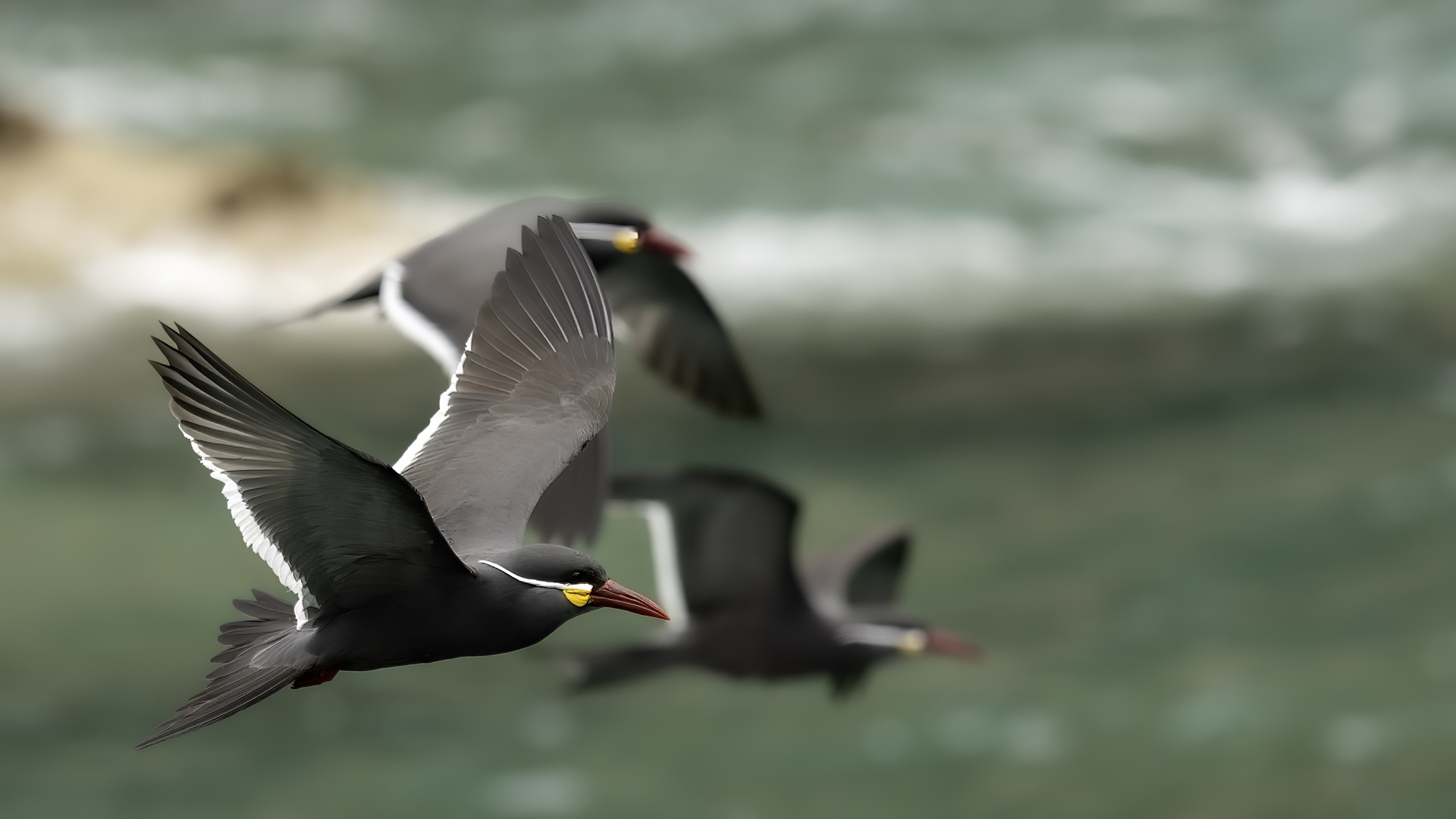
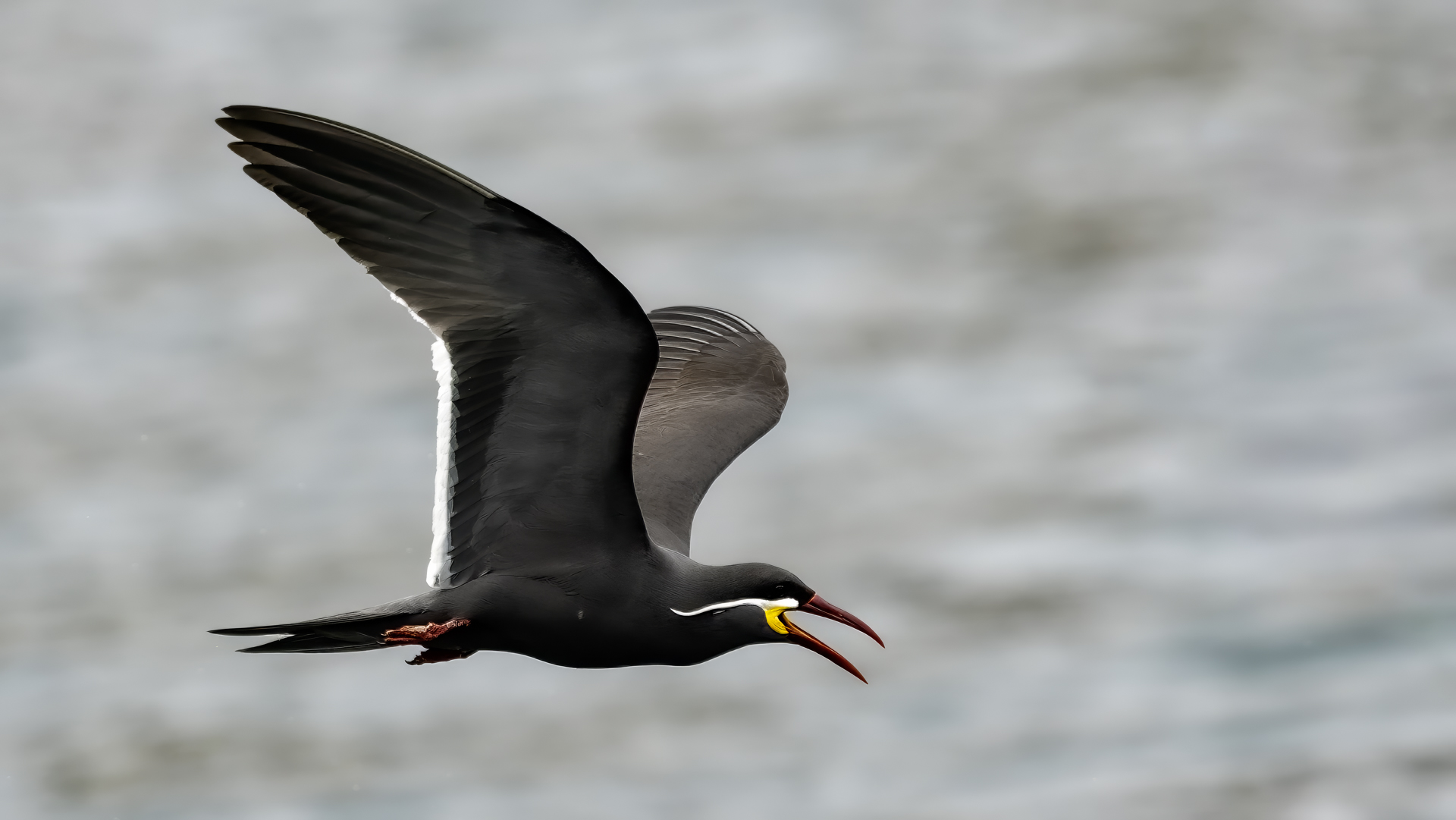
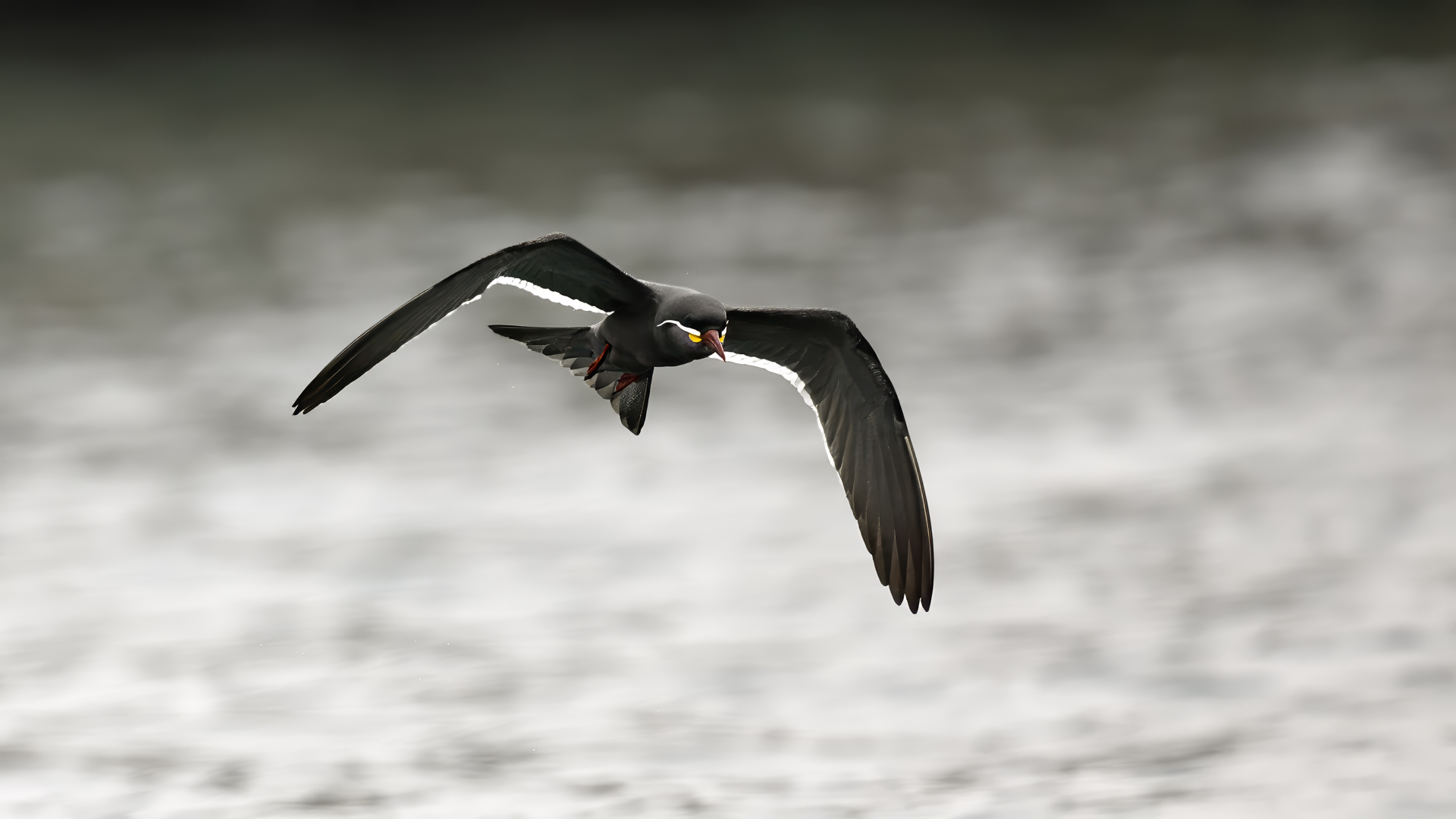
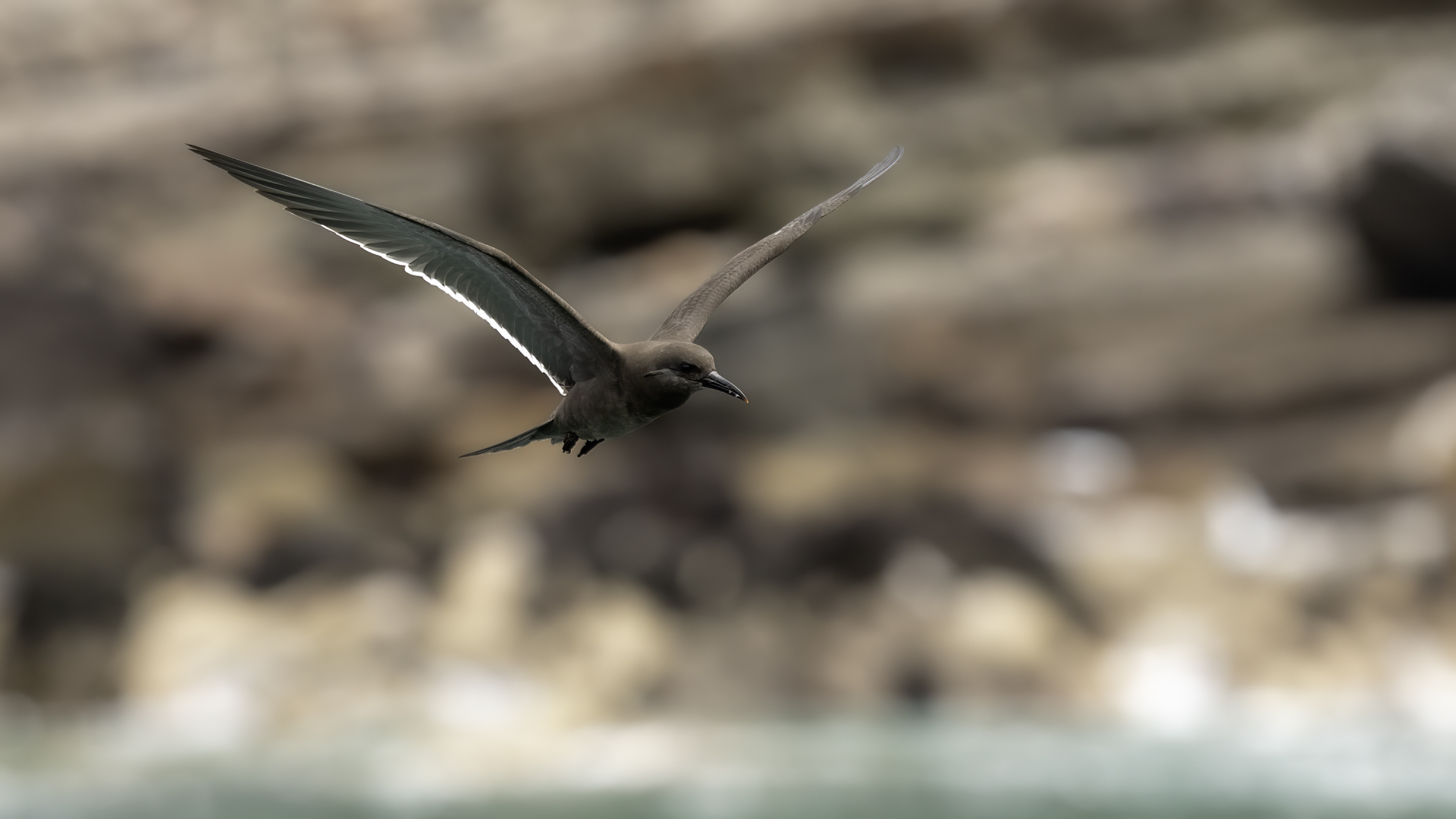
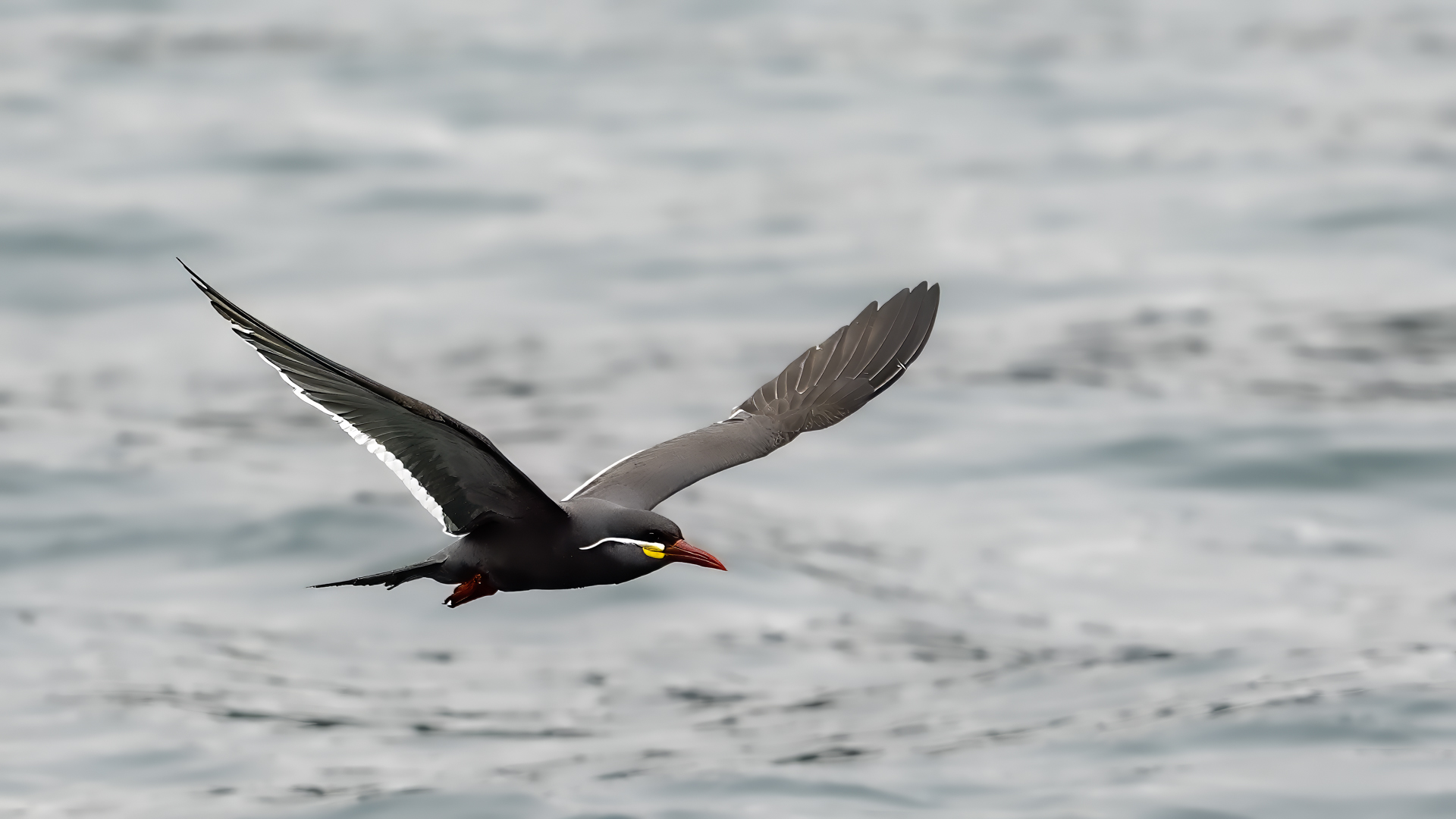
Peru-10/2025- introductory text-Inca Tern.

Peru – our second full-scale expedition to South America – although in practice we photographed for barely two weeks. This time, contrary to our usual travel tradition, we included two typically tourist points in the plan. Usually, we devoted the entire 14 days exclusively to photographing birds and did not “distract” ourselves with sightseeing. In such a short time it is impossible to see and photograph everything worth attention – choices must be made. However, in Peru it was hard for me to imagine skipping Machu Picchu, Cusco, or Lima – the country’s capital. We spent the least amount of time in Lima. It is a relatively young city – about 500 years old – and for most of its history it was not a major urban center. Only in recent decades has it grown explosively, and today it is home to nearly 11 million people, or close to 30% of Peru’s population. Lima is huge and crowded, and creating a representative photo collection of the city would require several days. A small gallery was created, although it includes mainly one district. It was similar with Cusco. Founded in the 12th century, the city has just under half a million inhabitants and is located at an altitude of 3,340 m. For a visitor, this is initially a serious challenge – the lower oxygen level is noticeable from the very first steps. The highlight of the trip, however, was Machu Picchu. It had always been on my dream list, though not necessarily at the top. But it was definitely worth the effort to get there – the place is stunning in every respect. The journey to Machu Picchu itself has its own unique charm. The penultimate section of the route is by train of an unusual design and with equally unusual service. The train travels slowly, along winding tracks close to steep and often dangerous cliffs. The views are breathtaking, and the panoramic roofs of the carriages allow you to enjoy them fully. The service resembles what is known from airplanes – with one difference: the menu includes coca leaf tea, which is widely available in Peru. After checking tickets, photographing passports, and serving refreshments, the artistic part begins. The conductors dress up in traditional Inca costumes and stage a short performance about the fate of a pair of lovers. This is the only railway I know of that entertains its passengers in such a way. Afterwards, guests are invited to the panoramic carriage, where with open windows and the accompaniment of percussion and classical guitar, Peruvian and Latin American music fills the air. It is an extraordinary experience, definitely worth having on the way to Machu Picchu. The last half-hour stage is a bus ride directly to the ruins of the Inca city.
Photographing Birds in Peru

Our observations and photos covered only a small fragment of this vast country. Peru is four times larger than Poland – its area is nearly 1.3 million km² – and the diversity of landscapes is truly impressive. The coast is almost desert-like, while after crossing the Andes you reach the humid, tropical Amazon rainforest. The mountain regions are extremely diverse in terms of birdlife. Photographing at an altitude of 3,000–4,000 meters proved to be a major effort for me. On one hand, the altitude and lack of oxygen take their toll; on the other, there is the need to climb steep slopes with a camera and equipment weighing around 10 kg. It was definitely one of the most physically demanding trips.

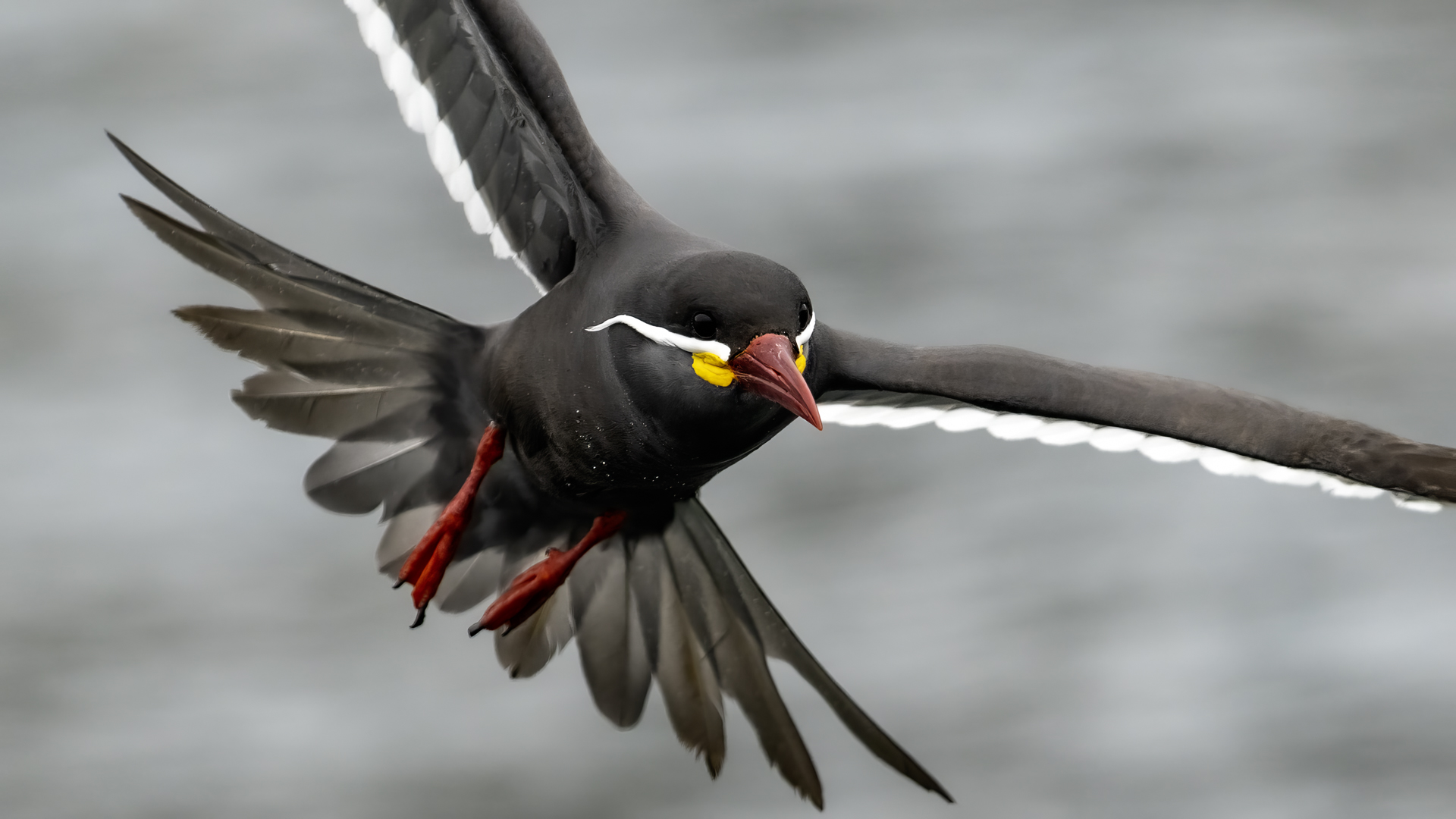
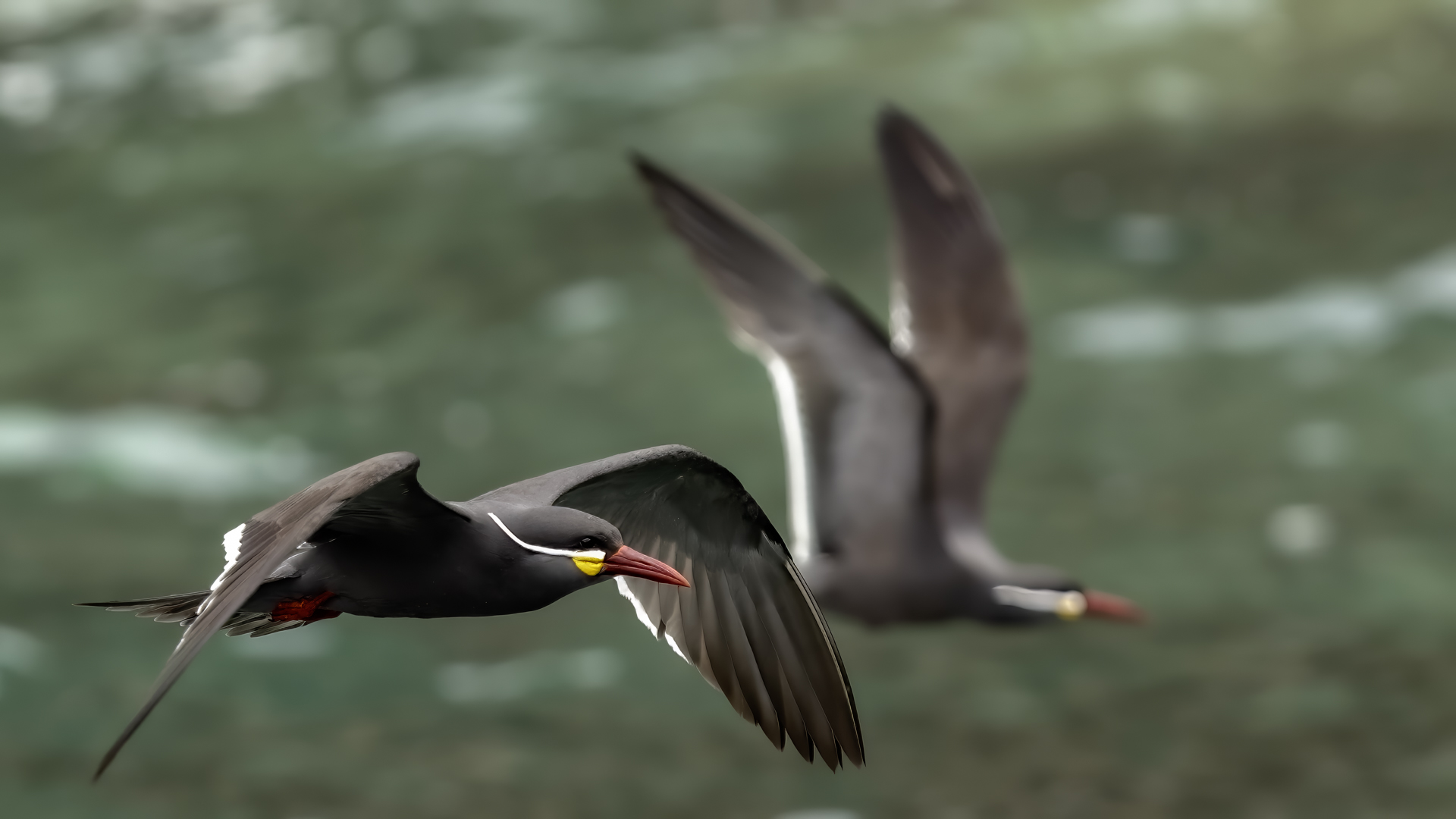
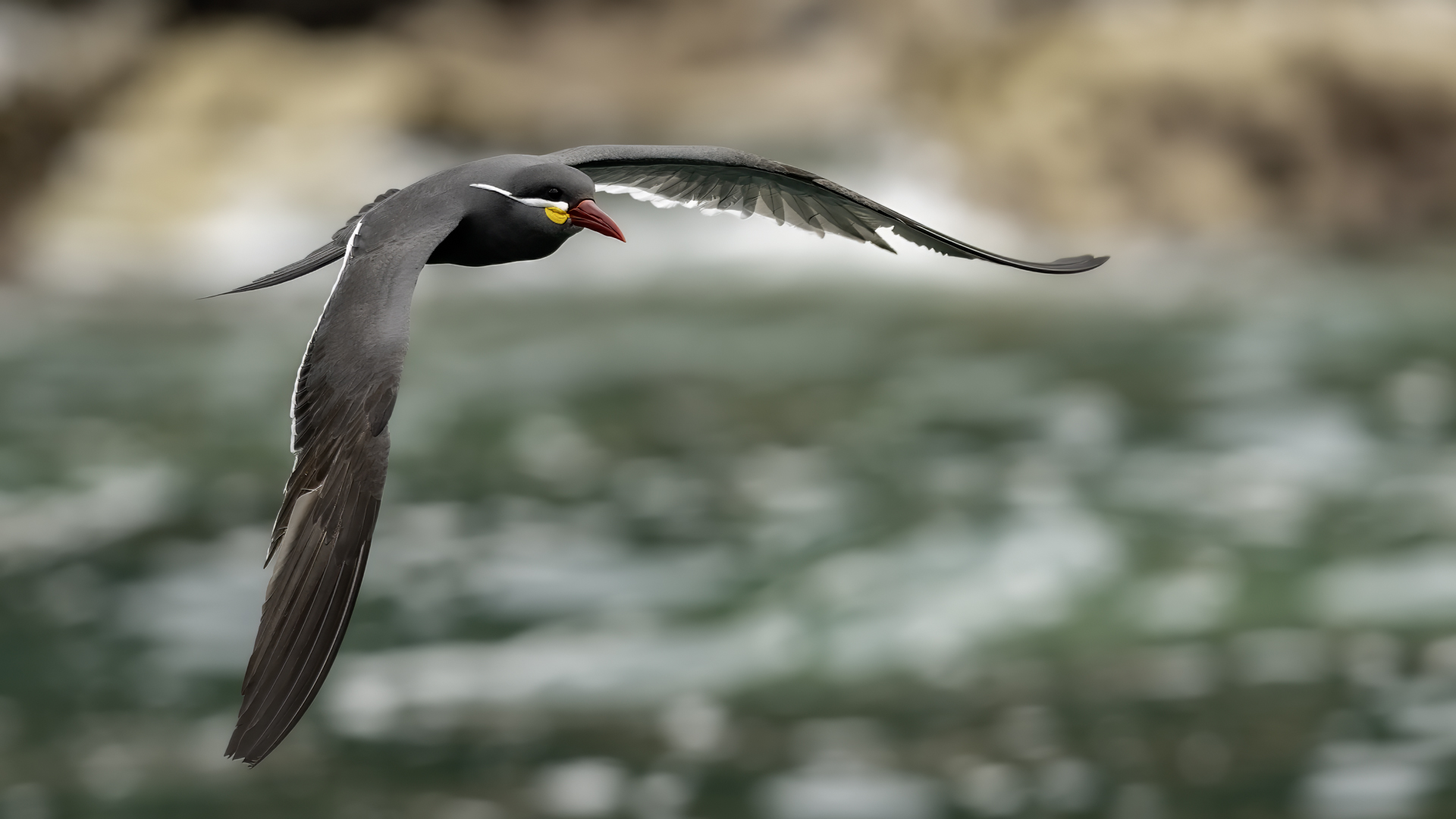
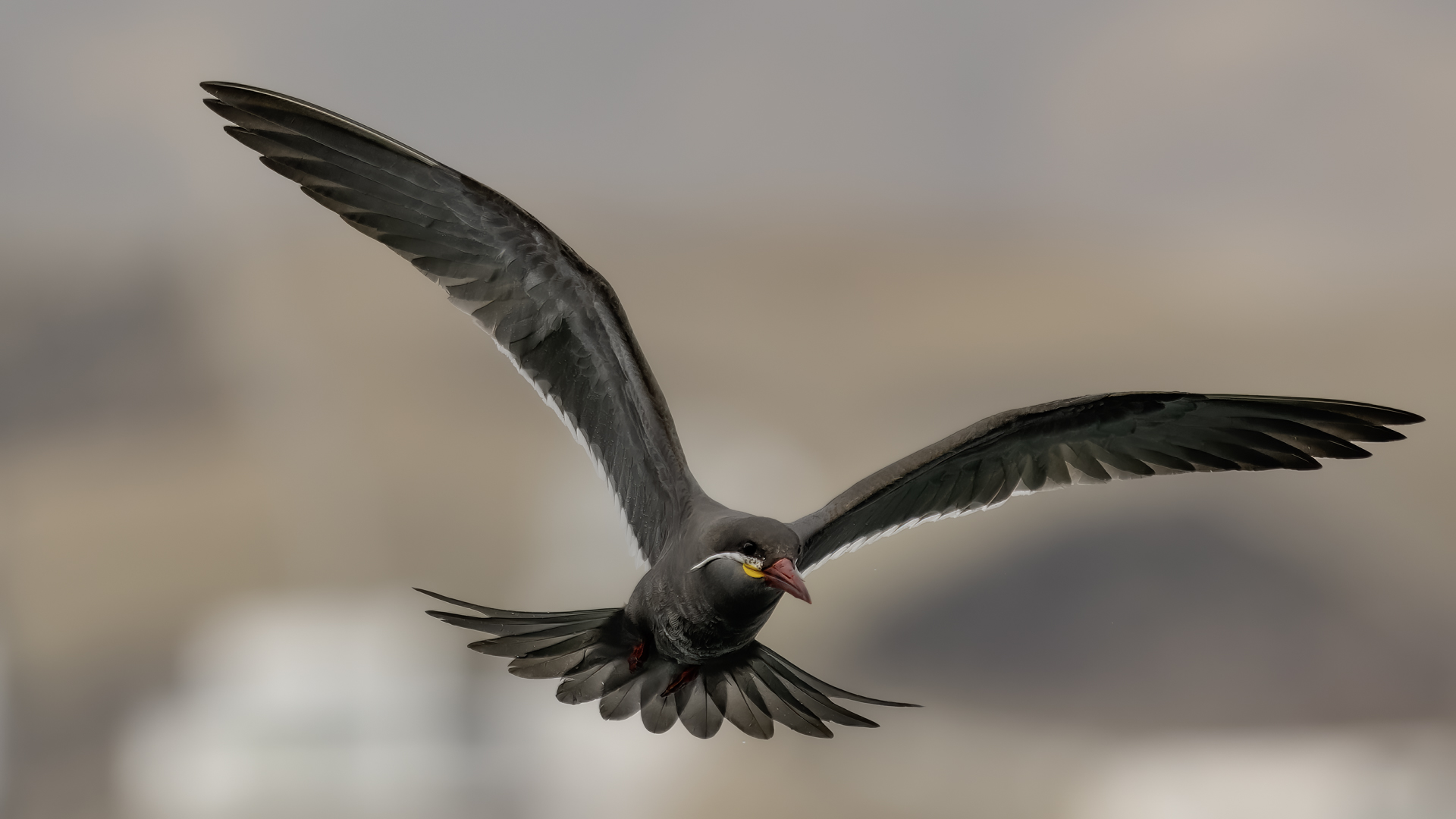
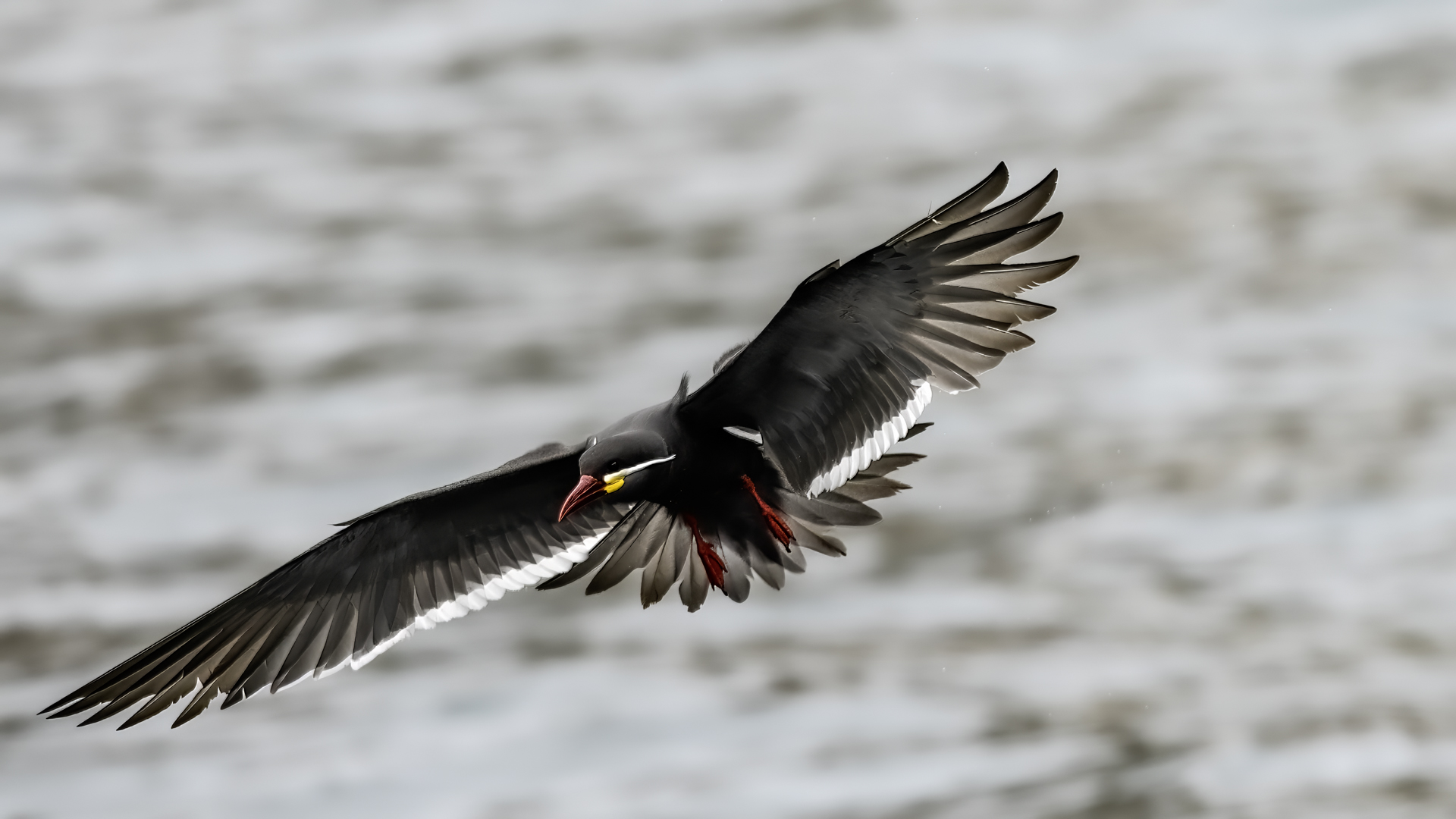
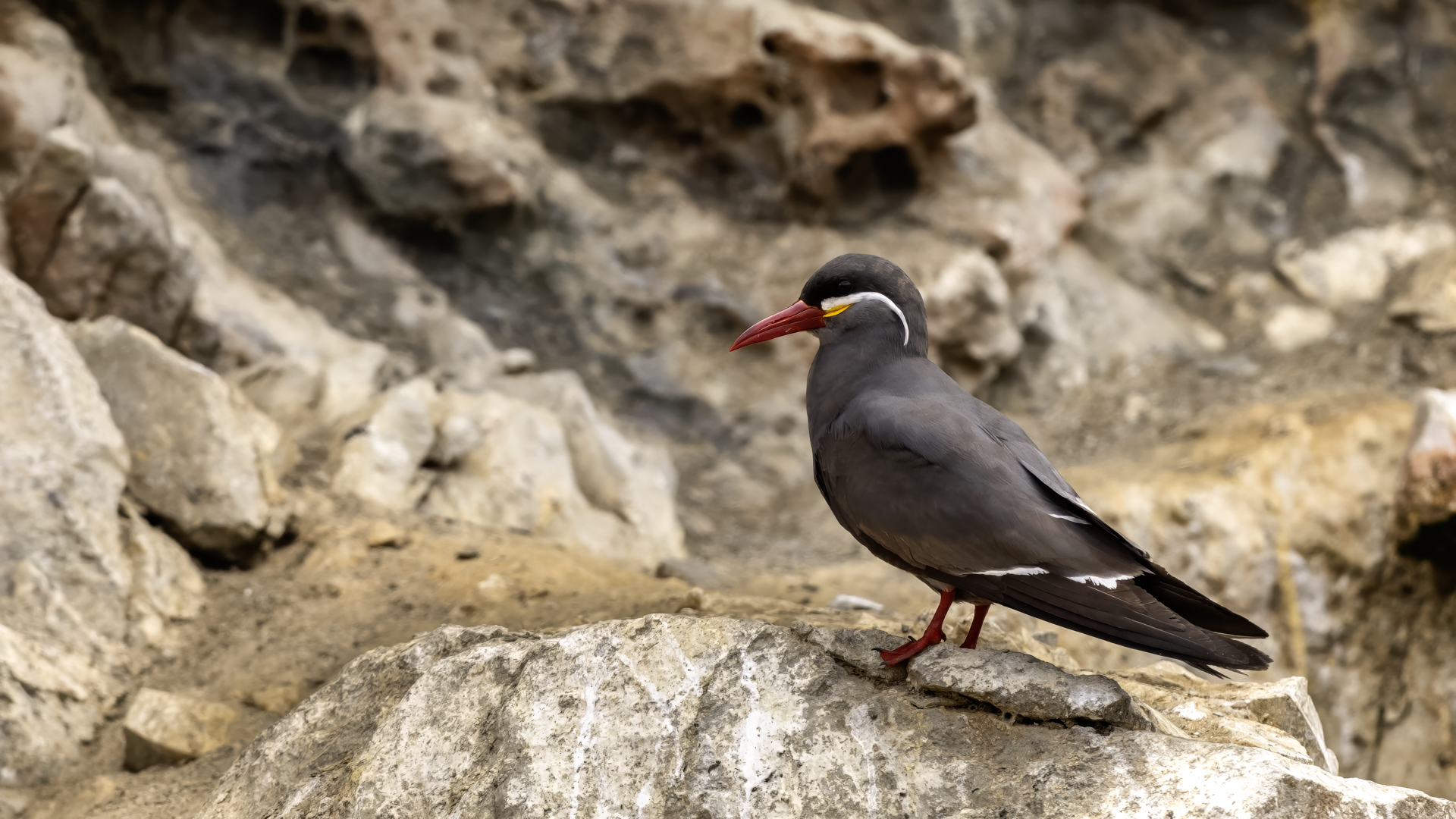
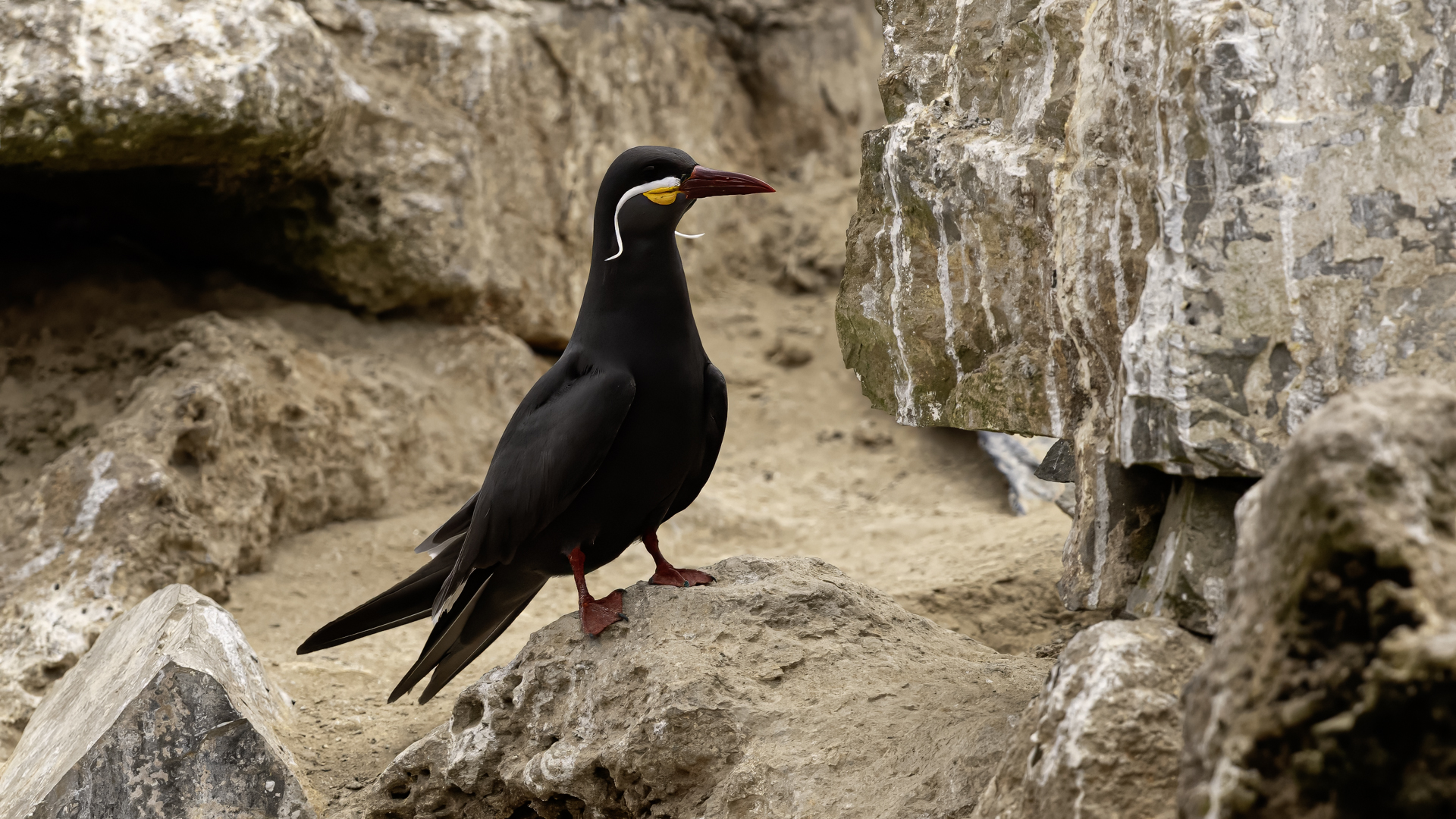
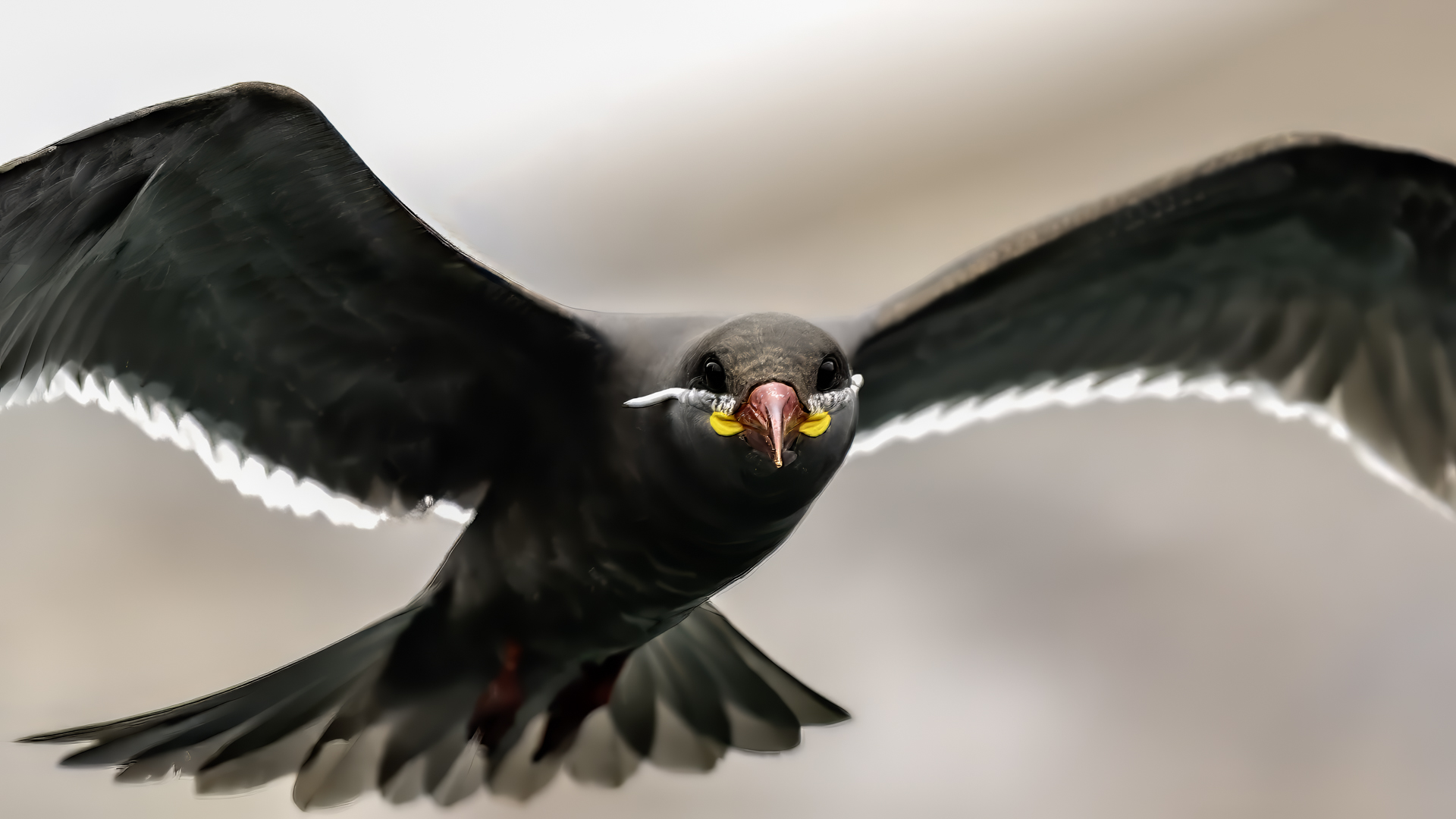
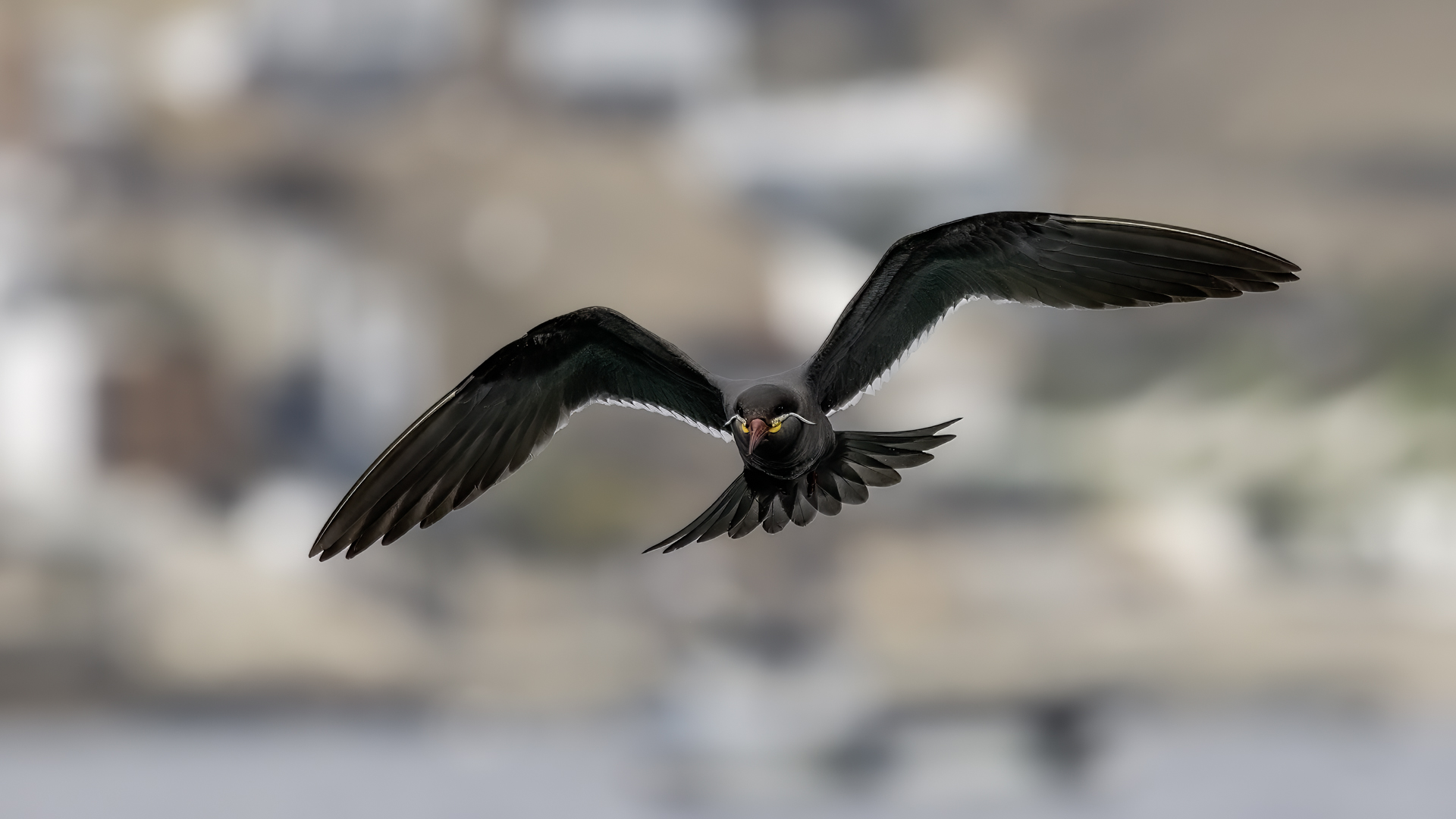
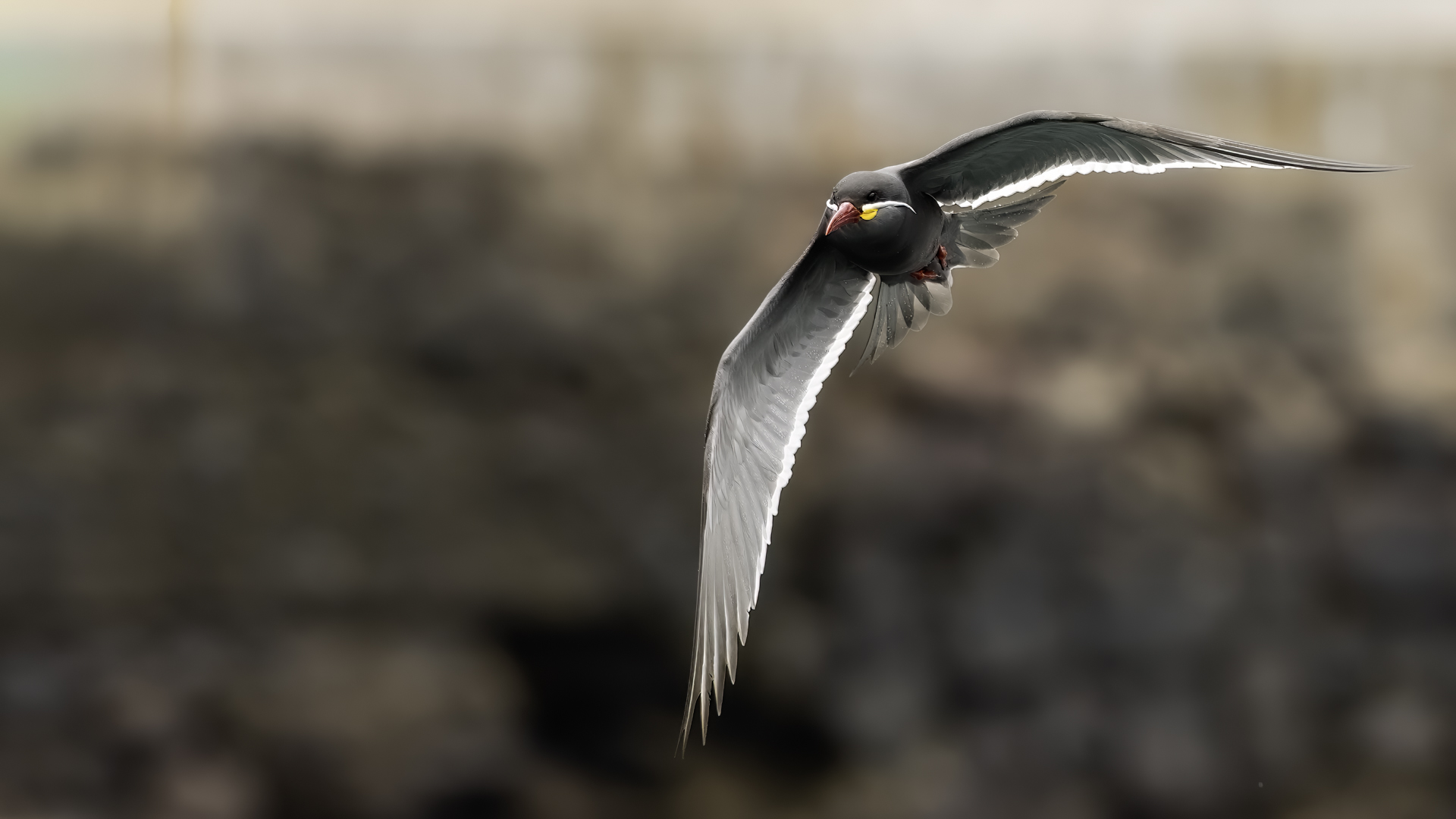
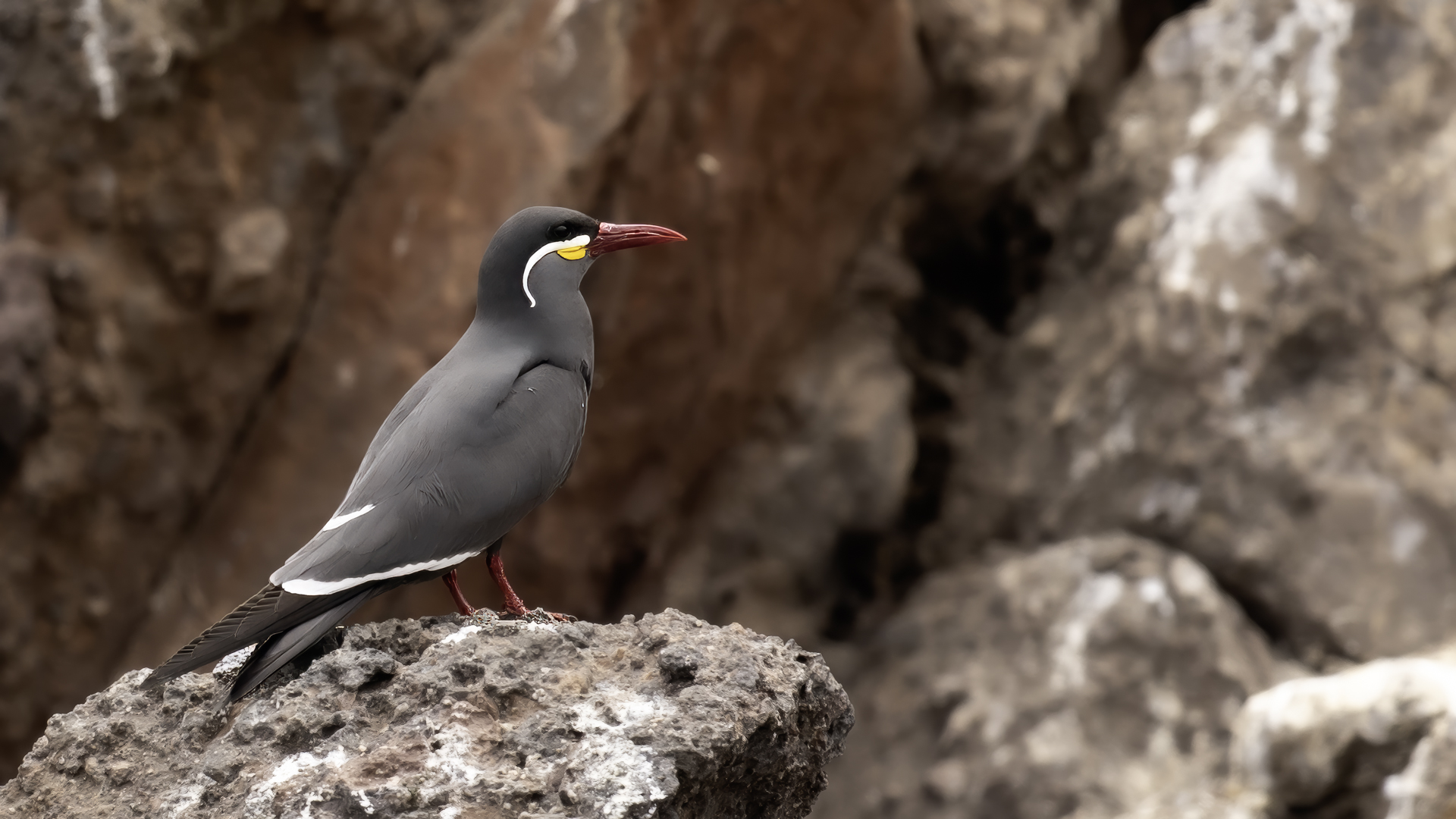
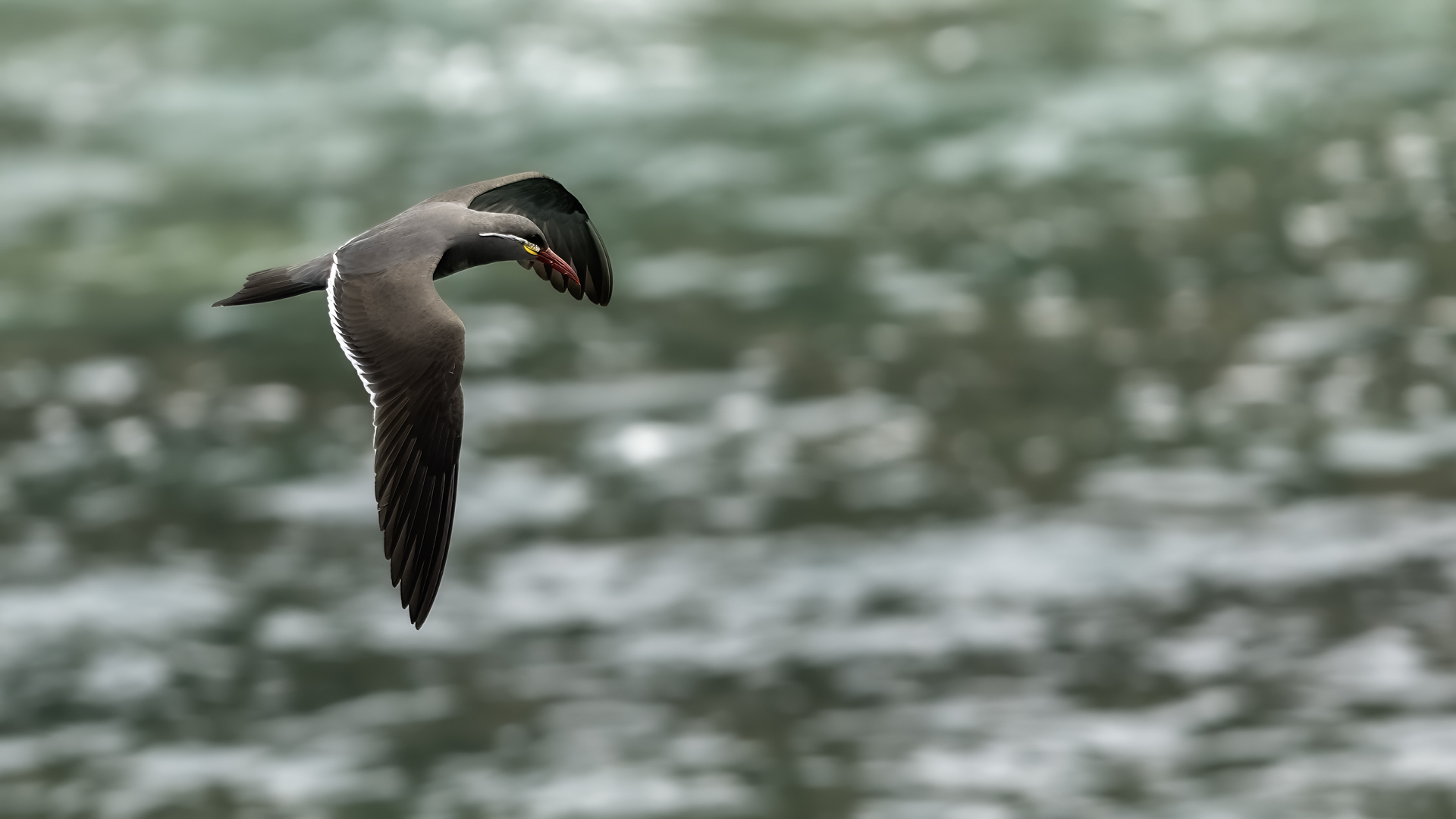
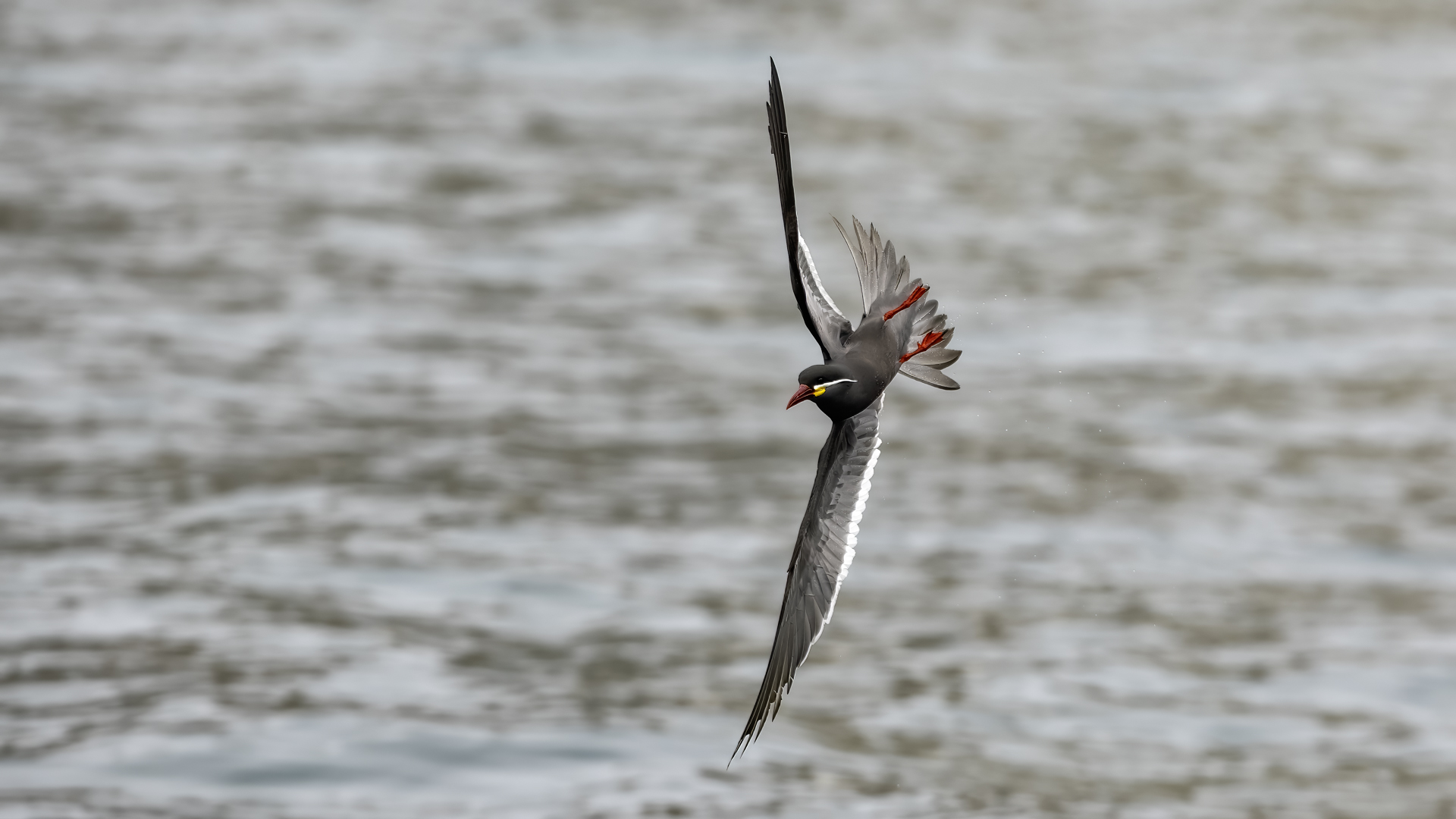
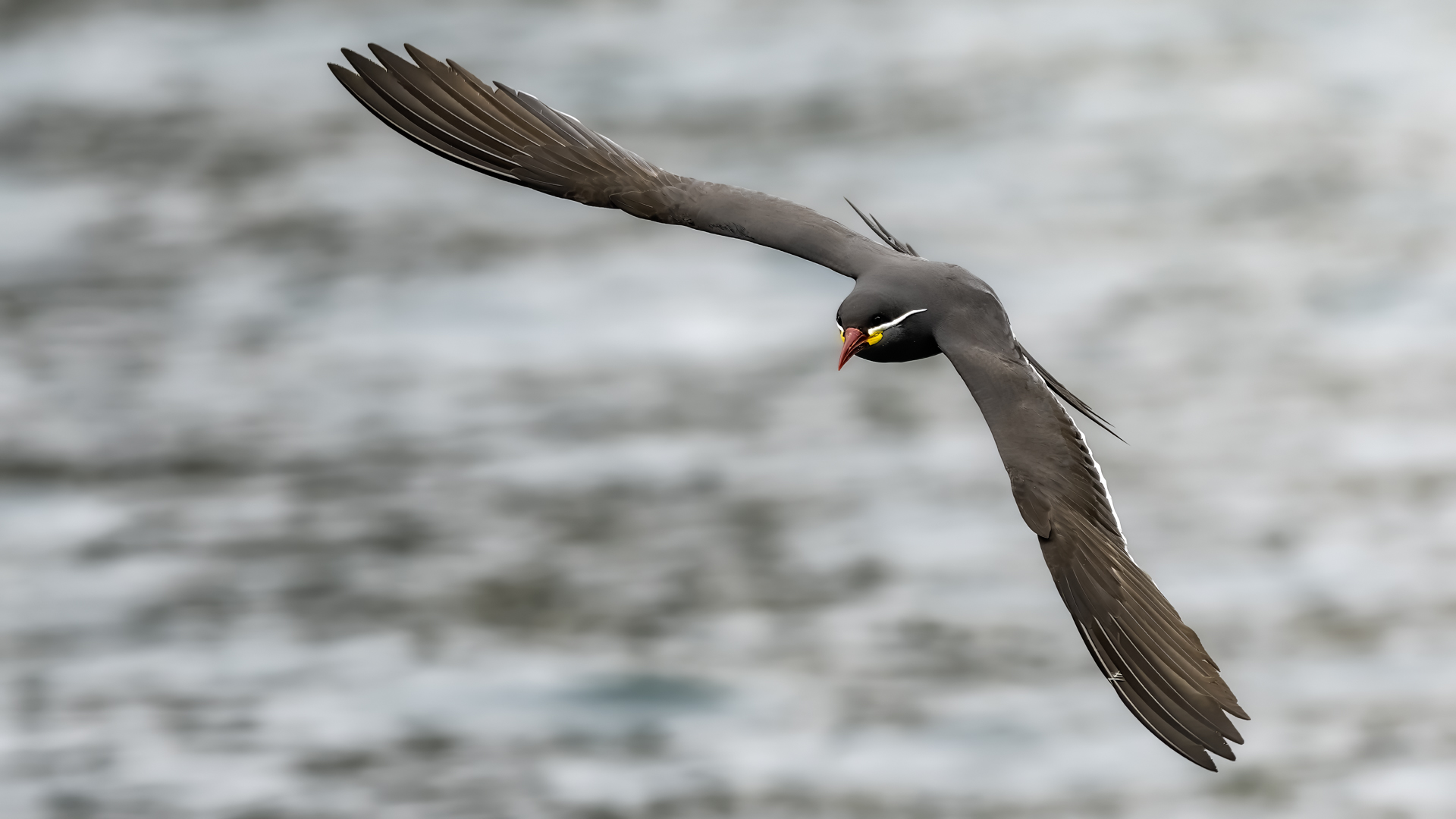
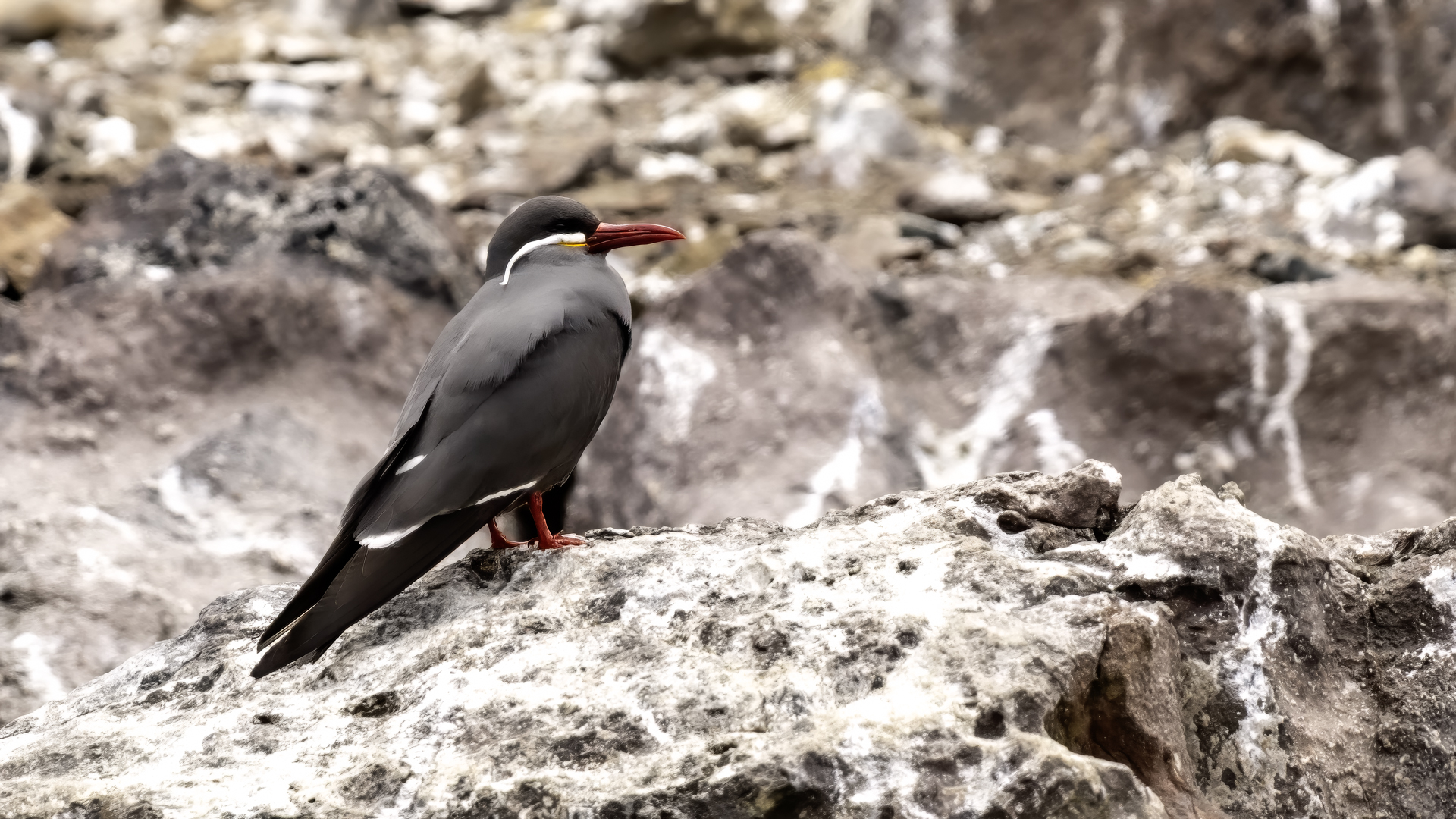
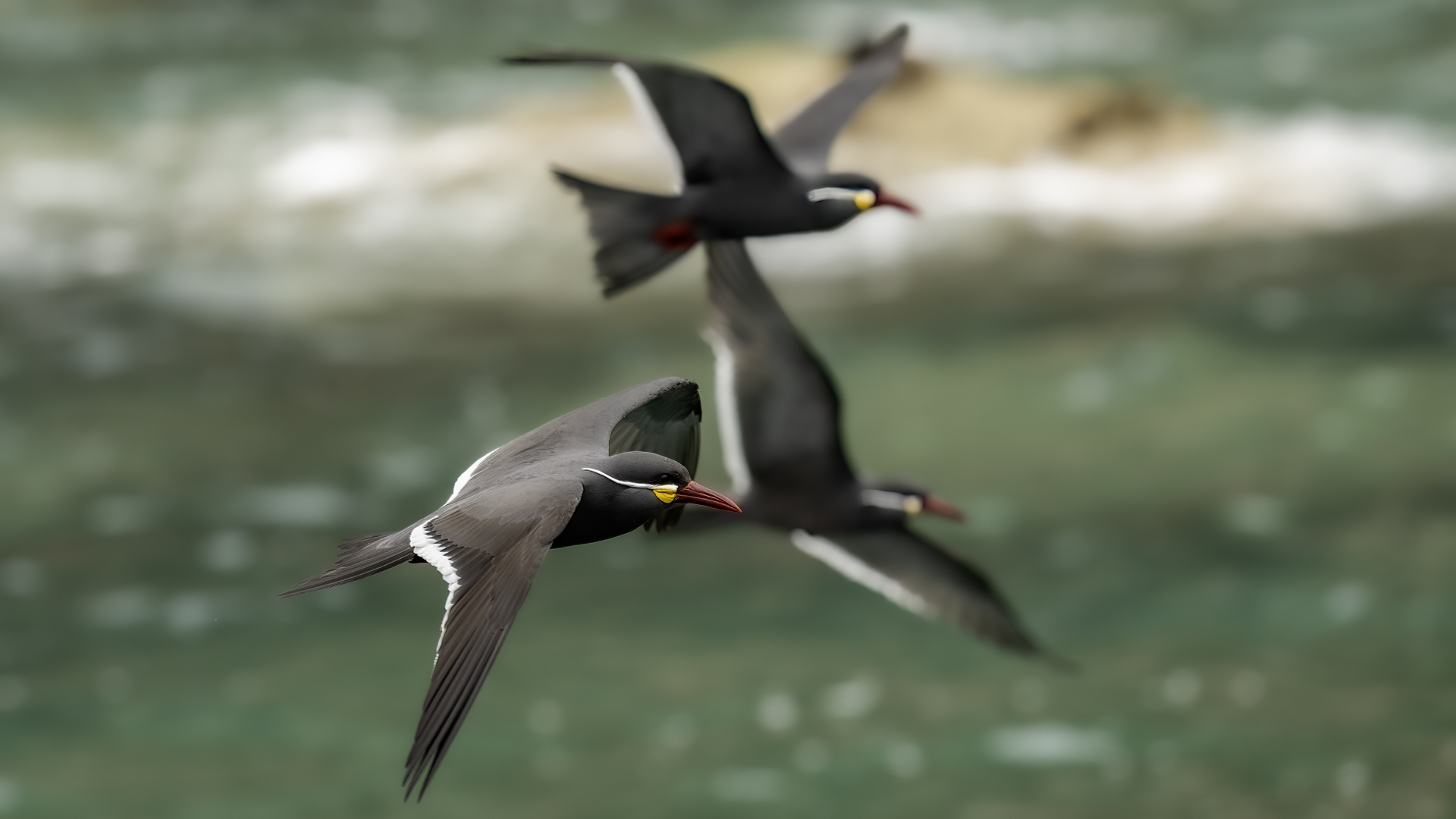
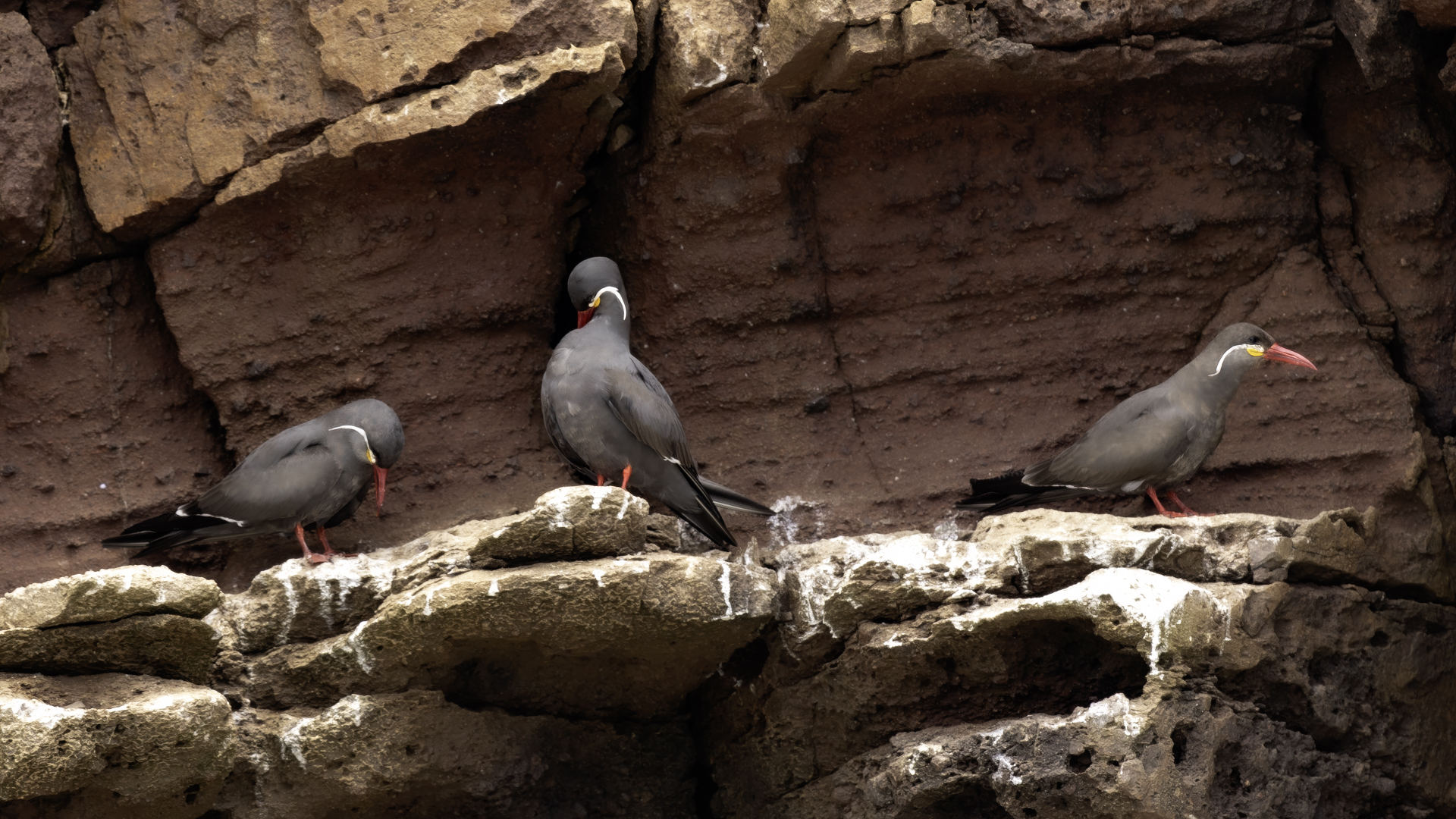
Near Lima we photographed ocean-associated birds. A short boat trip allowed us to capture several species, including the beautiful Inca tern. Then we flew to Cusco and set off along a mountain stretch of road less than 200 km long. For a tourist, it is an extreme experience – the road is one lane wide, yet two-way, without guardrails, right above a cliff. Often we had to reverse hundreds of meters to let a truck pass. Along the road, in lush vegetation, we searched for birds. We stopped many times to photograph birds, and less often mammals – these appeared only occasionally, like the monkeys we photographed by chance.As in Ecuador, Peru does not lack hummingbirds. According to Miles McMullan, 126 species occur in Peru – only Ecuador (129) and Colombia (158) have more. After this trip, I was close to reaching 100 photographed hummingbird species. There were so many that – just like after returning from Ecuador – I prepared a separate slideshow devoted exclusively to hummingbirds, independent of the slideshow with other bird photos from Peru.
Two new keywords related to this expedition appeared in my search engine:
 “Peru – birds”, covering a list of all newly created galleries and galleries supplemented with photos from Peru,
 “Peru – hummingbirds”, which displays a set of all photographed hummingbird species, both new and updated.
I had photographed many species before – mainly in Ecuador, Argentina, and Costa Rica – but in Peru I created over 100 new galleries. The need to change the image format used on my website for nearly two years served as a pretext for updating and organizing existing galleries. Replacing the tens of thousands of photographs on my website will likely take years, but this time I managed to standardize the format of several hundred older photos. I brought back about 1,600 new images from the trip, which have now been added to the site.
As always after returning, I prepared a list of all new and updated galleries. The list, available in the information section of each gallery, contains links to the corresponding pages. If a species name is followed by the letter T, the gallery includes a species description; the letter V indicates that a sound recording is also available.

PERU język ANGIELSKI

Body

Peru 10/2025-Introductory text – Inca Tern 
News galleries: 
Birds:
1.Inca Tern (T,V). 2.Peruvian Thick-knee. 3.Capped Heron. 4.Red-billed Toucan. 5.Surf Cinclodes(V). 6.Fasciated Tiger-Heron. 7.Blue-banded Toucanet. 8. Band-tailed Gull(V). 9.Red-and-white Antpitta(V). 10.Violaceous Jay(V). 11.Peruvian Pelican.12.Cinnamon Teal. 13.American Oystercatcher. 14.Grey-breasted Mountain-Toucan. 15.Great Antshrike. 16.King Vulture. 17.Raimondi's Yellow-Finch. 18.Many-colored Rush-Tyrant. 19.Great-billed Hermit. 20.Pectoral Sandpiper. 21.Surfbird. 22.Rufous-crested Coquette. 23. Black-throated Flowerpiercer. 24.Band-tailed Seedeater. 25.Silver-backed Tanager. 26. Inca Wren. 27.Black-backed Grosbeak. 28.Smoke-colored Pewee. 29.Chestnut-breasted Mountain-Finch. 30.Puna Ibis. 31.Bearded Mountaineer. 32.Moutain Wren. 33. Andean Guan. 34.Glossy-black Thrush. 35.Black-faced Brush-Finch. 36.Blue-capped Tanager. 37.Urubamba Antpitta. 38.Hooded Mountain-Tanager. 39.Rufous-breasted Chat-Tyrant. 40.Red-and-white Antpitta. 41.Leymebamba Antpitta. 42.Dusky-green Oropendola. 43.White-browed Hermit.. 44.Spectacled Redstart. 45.Citrine Warbler. 46.Mitred Parakeet. 47.Sapphire-spangled Emerald. 48.Yungas Pygmy Owl(V). 49.Dusky-capped Flycatcher. 50.Handsome Flycatcher. 51.Gray-stripped Brush-Finch. 52.Cinnamon Flycatcher. 53.Many-spotted Hummingbird. 54.Rust-and-yellow Tanager. 55.Mountain Caracara. 56.Band-tailed Fruiteater. 57.Koepcke's Screech Owl. 58.Slaty-backed Chat-Tyrant. 59.Saffron-crowned Tanager. 60.Spotted Tanager. 61.Silver-beaked Tanager. 62.Crested Quetzal. 63.Black-backed Tody-Flycatcher. 64.Black-billed Thrush. 65.Plain-crowned Spinetail. 66.Common Potoo. 67.Swallow Tanager. 68.Lemon-throated Barbet. 69.Blue-throated Piping-Guan.70.Cream-colored Woodpecker.71. White-winged Swallow. 72.White-browed Antbird. 73.Goeldi's Antbird. 74.White-lined Antbird. 75.Grey-breasted Sabrewing.76.Blue-and-yellow Macaw. 77.Rusty-fronted Tody-Flycatcher. 78.Ringed Antpipit. 79.Humboldt Penguin. 80.Red-legged Cormorant. 81.Long-tailed Tyrant. 82.Rufous-sided Crake. 83.Great Potoo. 84.Versicolored Barbet. 85.Aplomado Falcon. 86.Peruvian Booby. 87.Wilson's Phalarope. 88.Franklin's Gull 89.Elegant tern. 90.Gould’s Jewelfront. 91. Amazilia Hummingbird. 92.Green-and-white Hummingbird. 93.Gould's inca. 94.Short-tailed hawk. 95.Peruvian sheartail. 96.Amethyst-throated sunangel. 97.Pale-tailed Barbthroat. 98.Rufous-bellied bush tyrant.99.Chestnut-capped Puffbird. 100.Chiguanco Thrush. 101.White-winged Black-Tyrant. 102.Long-billed Starthroat. 103.Fork-tailed Woodnymph.
Mammals: 
1.Bolivian squirrel. 2.Large-headed capuchin. 3.Brown agouti. 4.Toppin's titi monkey. 
Reptiles: Emerald tree boa
Crustacean: Painted ghost crab.
Travel:
MACCHU PICHU    CUSCO      LIMA      AGUAS CALIENTES      OLLANTAYTAMBO    
PUCUSANA       PERU FAUNA       PERU FLORA      PERU OTHER

Peru–Birds – slideshow on YouTube     Peru–hummingbirds – slideshow on YouTube

Changes in galery:
Birds:
1.Giant Hummingbird (T,V), 2.White-throated Screech-Owl (V). 3.Shining Sunbeam. 4.Sparkling Violet-ear. 5.Orange-bellied Euphonia(V). 6.White-necked Jacobin. 7.Chestnut-fronted Macaw. 8.Black-tailed Trainbearer. 9.Speckled Chachalaca. 10.Whimbrel. 11.Snowy Egret. 12.Wire-crested Thorntail. 13.Black Skimmer. 14.Stright-billed hermit. 15.Green Hermit. 16.Black-throated mango. 17.Grey-headed Gull. 18.Booted Racked-tail. 19.White-bellied Woodstar. 20.Golden-tailed Sapphire. 21.Ruddy Turnstone. 22.Tyrian Metaltail. 23.Mountain Velvetbreast. 24.Spotted Sandpiper. 25.White-cheeked Pintail. 26.Vermilion Flycatcher. 27.Eared Dove. 28.Least Sandpiper. 29.Killdeer. 30.Little Blue Heron. 31.Turkey vulture. 32.Neotropic Cormorant. 33.American Kestrel. 34. Blue-necked Tanager. 35.Palm Tanager. 36.Torrent Tyrannulet. 37.Torrent Duck(T). 38. White-capped Dipper(T). 39.Equatorial Motmot. 40.Tropical Kingbird. 41.Chestnut-breasted Coronet. 42.Bronzy Inca. 43.Yellow-olive Flycatcher. 44.Rufous-collared Sparrow. 45.Andean Cock-of-the-rock. 46.Barred Becard. 47.Blue-and-yellow Tanager. 48.Black-faced ibis. 49. Masked Flowerpiercer. 50.Scarlet-bellied Mountain-Tanag. 51.Montane Woodcreeper. 52.Golden-headed Quetzal. 53.Golden-naped Tanager. 54.White-lined tanager. 55.Buff-throated Saltator. 56.Russet-backed Oropendola. 57.Yellow-rumped Cacique. 58.Plumbeous Kite. 59.Golden-collared Honeycreeper. 60.Crested  Oropendola. 61.Yellow-browed Sparrow. 62.Southern Mealy Parrot. 63.Grey-capped Flycatcher. 64.Black Vulture. 65.Roadside Hawk. 66.Hoatzin. 67.Wedge-billed Woodcreeper. 68.Great Egret. 69.Purple Gallinule. 70.Social Flycatcher. 71.Southern Crested Caracara. 72.Smooth-billed Ani. 73.Sungrebe. 74.Lesser Kiskadee. 75.Yellow-tufted Woodpecker. 76.Plain-brown Woodcreeper. 77.Limpkin. 78.Glossy-black Thrush. 79.Thick-billed Euphonia.
Mammals: South American Sea Lion.